

How to Find a Lightweight Sunscreen That Feels Great
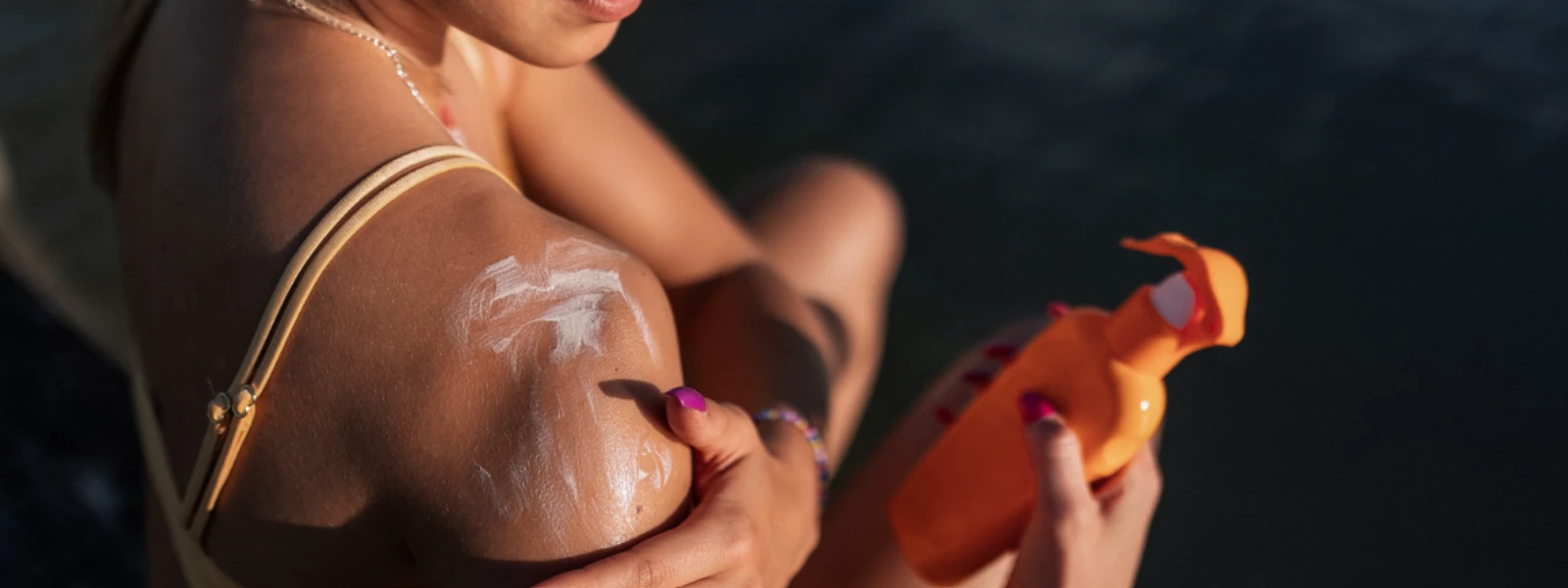
Finding the perfect sunscreen can feel like searching for a needle in a haystack. You want protection that doesn't weigh down your skin or leave you feeling like you've slathered on a thick layer of grease. The good news? Understanding how lightweight sunscreen feels and what makes it different can help you find a formula that becomes your daily go-to. When you know what to look for, you can enjoy comfortable sun protection that feels like second skin. Let's explore how to identify and choose a sunscreen that truly feels great on your skin.
The secret behind how lightweight sunscreen feels lies in advanced formulation science. Traditional sunscreens often rely on heavy oils and thick creams that sit on top of your skin. Modern lightweight formulas use smaller molecules that absorb quickly and don't create that sticky, heavy sensation. Sunscreen texture depends largely on the base formula. Water-based sunscreens typically feel lighter than oil-based ones because they contain less heavy emollients. These formulas use innovative delivery systems that allow active ingredients to penetrate without leaving residue. The molecular weight of ingredients plays a huge role too - lighter molecules slip into skin more easily. Many people worry that lightweight means less protection, but that's not true. SPF effectiveness comes from the concentration and type of UV filters, not the thickness of the formula. Advanced sunscreen technology allows manufacturers to create powerful protection in surprisingly light textures.
Recognizing a truly lightweight sunscreen becomes easier when you know what to look for. The best formulas share several key characteristics that set them apart from heavier alternatives. Fast absorbing sunscreen should disappear into your skin within 30 seconds of application. If you're still rubbing it in after a minute, it's probably too heavy for daily comfort. Quality lightweight formulas work quickly without requiring excessive massage.
Invisible sunscreen leaves no white cast or visible residue on any skin tone. Look for formulas labeled as "clear" or "transparent" that blend seamlessly. The best options work equally well on fair and deep skin tones.
Oil free sunscreen typically feels lighter because it doesn't contain heavy oils that can clog pores or create shine. These formulas often use silicones or gel bases instead, which provide smooth application without greasiness.
Choose between matte and dewy finishes based on your skin type. Matte sunscreen works well for oily skin, while slightly dewy formulas suit dry skin better. Both can feel lightweight when properly formulated.
Your skin type determines which lightweight formula will feel most comfortable. What works perfectly for your friend might feel wrong on your skin, so understanding your specific needs helps narrow down options. Sunscreen for sensitive skin should be fragrance-free and contain gentle, mineral-based UV filters like zinc oxide or titanium dioxide. These ingredients are less likely to cause irritation while still providing excellent protection. Look for formulas specifically labeled for sensitive skin.
If you have oily skin, choose non-comedogenic formulas that won't clog pores. Sunscreen for face designed for oily skin often contains oil-absorbing ingredients that help control shine throughout the day.
Dry skin benefits from lightweight sunscreens that include hydrating ingredients like hyaluronic acid or glycerin. These formulas provide protection while adding moisture without feeling heavy.
Combination skin might need different approaches for different areas. You can use a matte formula on your T-zone and a slightly more hydrating one on drier areas.
Reading ingredient lists helps you identify formulas that will feel light and comfortable. Certain ingredients signal whether a sunscreen will feel greasy or lightweight on your skin. Avoid heavy oils like coconut oil or thick waxes in the first few ingredients. These create the greasy feeling many people dislike. Instead, look for non greasy sunscreen formulas that list water or light silicones early in the ingredient list.
Silicones like dimethicone create smooth application without heaviness. Gel bases and light emollients also contribute to comfortable wear. These ingredients help sunscreen spread easily and absorb quickly.
Higher SPF doesn't necessarily mean heavier feel, but some very high SPF formulas can feel thicker. SPF 30-50 often provides the best balance of protection and comfortable texture for daily use.
Water-resistant formulas might feel slightly heavier but shouldn't be uncomfortable. Look for "water-resistant" rather than "waterproof" for better daily wearability.
How you apply sunscreen affects how it feels on your skin. Proper technique ensures you get full protection while maintaining that lightweight sensation you want. Use the right amount - about 1/4 teaspoon for your face. This might seem like a lot, but spreading it properly prevents the heavy feeling. Apply in thin layers rather than one thick application for better absorption and comfort.
Apply sunscreen after moisturizer but before makeup. Wait a minute between each layer to allow proper absorption. This prevents pilling and maintains the lightweight sun protection feel you want.
For reapplication over makeup, consider powder sunscreens or setting sprays with SPF. These maintain protection without disturbing your look or adding heaviness.
In humid weather, you might prefer an even lighter formula or apply less product more frequently. Hot climates often require more frequent reapplication but lighter textures.
Yes, lightweight sunscreens can be just as effective. Protection comes from the concentration and type of UV filters, not the thickness of the formula. Many lightweight formulas offer excellent broad-spectrum protection.
Check the ingredient list for water-based formulas and avoid heavy oils. Look for terms like "gel," "serum," or "fluid" in the product description. Reading reviews from people with similar skin types also helps.
You might be using too much product or not allowing enough time for absorption. Try applying a thinner layer or switching to an oil-free formula. Your skin type might also need a different formulation.
"Lightweight" refers to texture and feel, while "invisible" usually means no white cast. A sunscreen can be both, but some invisible formulas might still feel heavy, and some lightweight ones might leave slight residue.
Finding a lightweight sunscreen that feels great doesn't have to be complicated. Focus on your skin type, read ingredient lists carefully, and don't be afraid to try different formulas until you find your perfect match. Remember that the best lightweight sunscreen is one you'll actually use every day. When sun protection feels comfortable and invisible, it becomes an effortless part of your routine rather than a chore. Take time to test different options and application techniques - your skin will thank you for the extra effort in finding protection that truly feels great.
