

How to Choose the Perfect Liquid Sunscreen Texture
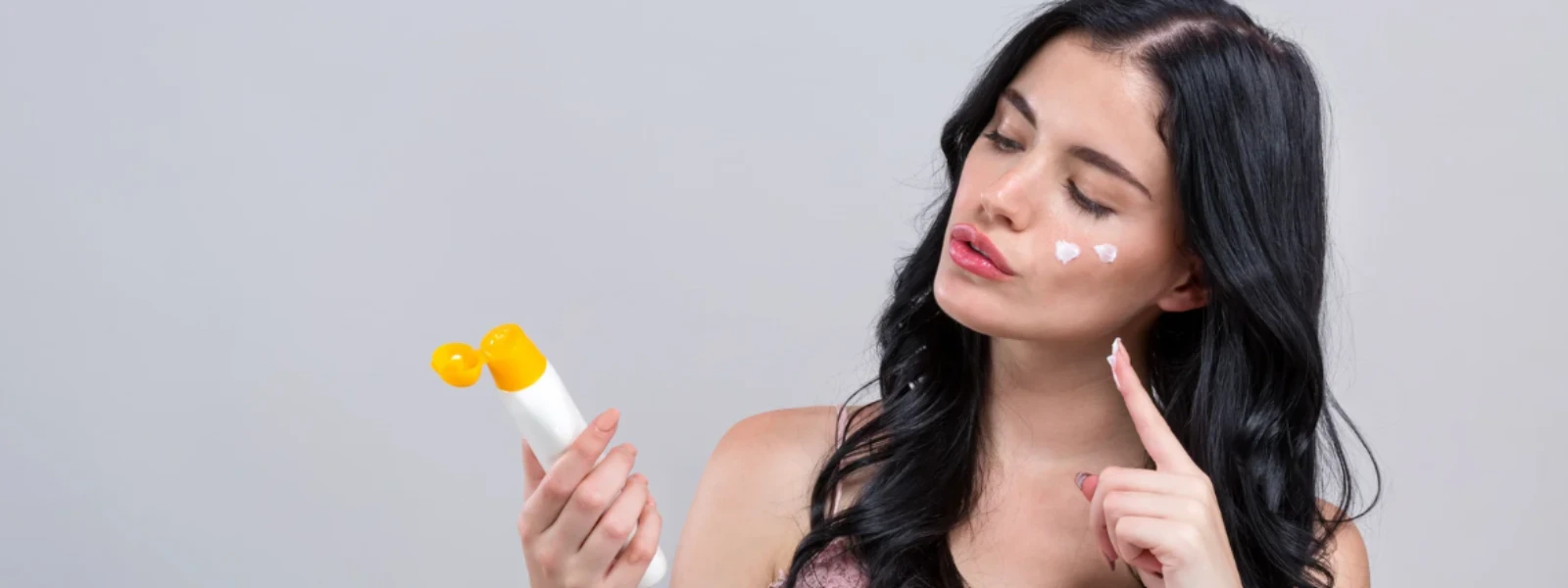
Finding the right sunscreen can feel overwhelming, especially when you're dealing with greasy formulas that leave white streaks or pill under your makeup. The good news? Liquid sunscreen texture has revolutionized sun protection, offering lightweight, invisible coverage that works with your skin instead of against it. Whether you have oily skin that rebels against heavy creams or you're tired of sunscreens that make you look ghostly pale, understanding different liquid sunscreen textures will help you find your perfect match. Let's explore how to choose a formula that protects your skin while feeling like you're wearing nothing at all.
Liquid sunscreen texture refers to fluid, water-based SPF formulas with a thin, almost watery consistency that absorbs quickly into skin. Unlike thick creams or sticky gels, these formulations feel light and breathable while delivering the same level of protection. The key difference lies in the base formula. Traditional sunscreens often use heavy oils or waxes that create a barrier on your skin. Liquid sunscreens use water as their primary vehicle, allowing active ingredients to penetrate without leaving residue. This makes them perfect for daily wear, especially under makeup or during hot weather.
Water-based liquid sunscreens contain mostly water and humectants, creating a lightweight feel that dries down quickly. These work best for oily or combination skin types. Oil-based liquid formulas still maintain a fluid consistency but include nourishing oils for dry skin types. They provide hydration while protecting, making them ideal for mature or dehydrated skin.
Choosing the right sunscreen texture depends on your skin type, lifestyle, and personal preferences. Each type offers unique benefits that cater to different needs.
These lightweight sunscreens feel like water on your skin and absorb instantly. They're perfect for oily skin types who want protection without added shine. The formula typically includes silicones that create a smooth, matte finish. Benefits include zero white cast, quick absorption, and compatibility with all makeup types. Many people find these formulas so comfortable they forget they're wearing sunscreen.
Sheer sunscreens provide invisible protection that works beautifully under makeup. These formulas often contain light-reflecting particles that give skin a subtle glow while protecting from UV damage. They're ideal for daily wear because they enhance your natural skin tone rather than masking it. Many users love how these formulas make their skin look healthy and radiant.
Mineral liquid sunscreens contain zinc oxide or titanium dioxide in a fluid base. Modern formulations have eliminated the chalky white cast that older mineral sunscreens were known for. These gentle formulas work well for sensitive skin and provide broad-spectrum protection. They're also reef-safe, making them perfect for beach days.
Tinted liquid sunscreens combine sun protection with light coverage, evening out skin tone while protecting from UV damage. They come in various shades to match different skin tones. These multi-purpose products save time in your morning routine and provide natural-looking coverage that's perfect for no-makeup days.
Your skin type plays a crucial role in determining which liquid sunscreen texture will work best for you. Understanding your skin's needs helps narrow down the overwhelming number of options available.
Oily skin benefits most from non-greasy sunscreen formulas that control shine while protecting. Look for oil-free, mattifying formulas that won't clog pores or add unwanted shine. Ingredients like niacinamide can help control oil production while providing additional skin benefits. These formulas often dry down to a powder-like finish that works beautifully under makeup.
Sunscreen for face requires different considerations than body formulas. Facial sunscreens need to be gentler, more cosmetically elegant, and compatible with skincare and makeup. Sunscreen for body can be more straightforward, focusing on coverage and water resistance. Body formulas often come in larger sizes and may have slightly different textures optimized for broader application areas.
Dry skin types should look for liquid sunscreens that include hydrating ingredients like hyaluronic acid or glycerin. These formulas provide protection while adding moisture to the skin. Avoid alcohol-heavy formulas that can further dry out your skin. Instead, choose formulas with nourishing ingredients that support your skin barrier.
Proper application ensures you get the full protection your sunscreen promises. Even the best liquid sunscreen won't work effectively if applied incorrectly. Use about one-quarter teaspoon for your face and neck, and a shot glass amount for your entire body. This might seem like a lot, but it's necessary for proper protection. Apply sunscreen 15-30 minutes before sun exposure to allow it to bind to your skin. When layering with other skincare products, apply sunscreen last in your routine but before makeup. Allow each layer to absorb completely before applying the next product to prevent pilling or uneven coverage. For reapplication throughout the day, use gentle patting motions rather than rubbing to avoid disturbing makeup underneath. Consider keeping a spray or powder sunscreen for easy touch-ups.
Even with the right formula, you might encounter some challenges when using liquid sunscreens. Understanding these issues helps you troubleshoot and find solutions.
Some liquid sunscreens feel almost like water, which can make application tricky. This thin consistency is often intentional, designed for quick absorption and lightweight feel. To apply thin formulas effectively, work in small sections and allow each area to absorb before moving to the next. You might need to apply multiple thin layers rather than one thick application.
Pilling occurs when sunscreen balls up on your skin, usually due to incompatible ingredients or improper application technique. To prevent this, ensure your skincare products are fully absorbed before applying sunscreen. Choose formulas that are compatible with your other skincare products. If you use retinoids or acids, look for sunscreens specifically formulated to work with active ingredients.
Modern liquid sunscreens rarely leave white residue, but it can still happen with certain formulas or application methods. Choose truly sheer formulas and warm the product between your hands before applying. Blend thoroughly using gentle circular motions, paying special attention to areas where product tends to accumulate, like around the nose and hairline.
Selecting the right liquid sunscreen texture involves considering multiple factors beyond just your skin type. Think about your lifestyle, climate, and daily routine when making your choice. Consider your activity level throughout the day. If you're very active or spend time outdoors, prioritize water-resistant formulas that won't sweat off easily. For office workers, focus on formulas that work well under makeup and don't require frequent reapplication. Think about seasonal needs too. You might prefer lighter formulas in summer and slightly more hydrating options in winter. Having different formulas for different seasons ensures your skin stays protected and comfortable year-round. Don't be afraid to try samples or travel sizes before committing to full-size products. What works for others might not work for your unique skin chemistry, so testing is crucial.
Liquid sunscreen textures are ideal for daily use because they're lightweight, absorb quickly, and work well under makeup. They provide excellent protection without the heavy feel of traditional cream sunscreens.
Liquid sunscreens offer advantages like faster absorption, lighter feel, and better compatibility with makeup. However, cream sunscreens might be better for very dry skin or when you need extra hydration.
Look for formulas labeled as makeup-friendly or primer-like. Test the combination on a small area first, and allow the sunscreen to fully absorb before applying makeup.
While you can use the same formula, facial sunscreens are typically more refined and gentle. Body sunscreens might be too heavy or comedogenic for facial use.
Choosing the perfect liquid sunscreen texture comes down to understanding your skin's unique needs and lifestyle requirements. Whether you prefer ultra-lightweight water-based formulas, sheer options that work under makeup, or mineral varieties for sensitive skin, there's a liquid sunscreen texture that's perfect for you. Remember that the best sunscreen is the one you'll use consistently every day. Don't get caught up in finding the "perfect" formula – focus on finding one that feels comfortable, provides adequate protection, and fits seamlessly into your daily routine. With proper application and the right texture choice, liquid sunscreens can provide excellent protection while feeling virtually weightless on your skin.
