


How to Choose Sunscreen for Humid Weather: Guide
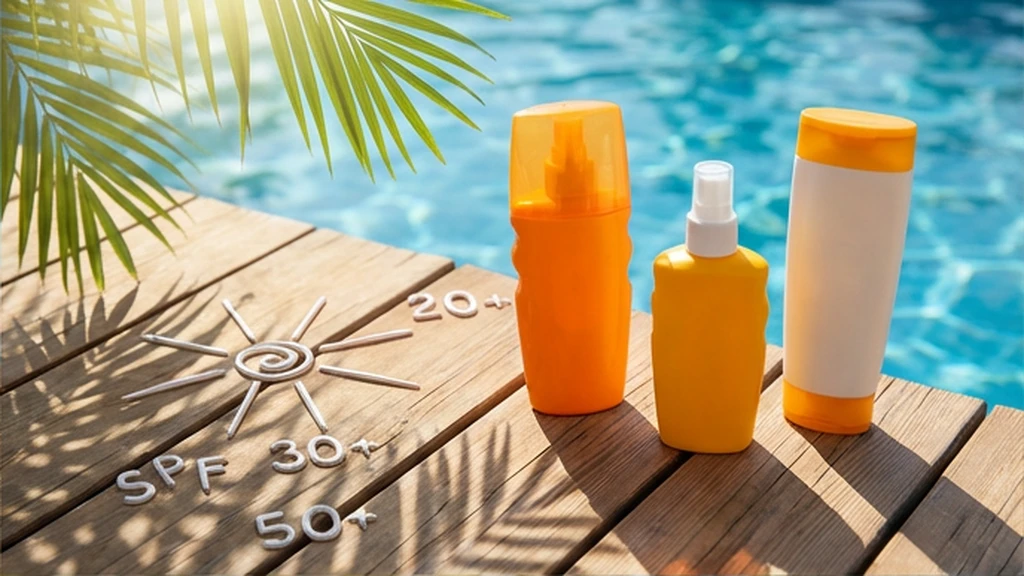
Stepping outside on a humid day can feel like walking into a steam room. Your skin starts to feel sticky, and that sunscreen you applied this morning? It might already be sliding off your face. How humid weather sunscreen works is different from your regular SPF routine. The thick, muggy air changes everything about how your skin behaves and how sun protection performs. You need formulas that can handle the moisture, the sweat, and the heat while still keeping those harmful UV rays at bay.
Humid weather creates a perfect storm for sunscreen challenges. Your skin works overtime in these conditions, and regular formulas often can't keep up. The moisture in the air affects how products sit on your skin and how well they stay put throughout the day.
When humidity levels rise, your skin's natural oil production kicks into high gear. This extra oil mixes with sweat and can create a slippery surface that makes sunscreen for humidity slide right off. Your pores also tend to get clogged more easily in humid conditions, leading to breakouts if you're using the wrong formula.
Many people think cloudy, humid days mean less UV exposure. This is a dangerous myth. UV rays penetrate through clouds and humidity, sometimes even more intensely due to reflection off moisture in the air.
Water resistant sunscreen technology uses special polymers that create a film on your skin. These polymers resist breaking down when they encounter moisture from sweat or humid air. The key difference between water-resistant and sweat-proof formulas lies in their testing methods and duration of protection.
In high humidity, regular sunscreen ingredients can become less stable. The moisture in the air can cause some chemical filters to degrade faster, reducing their effectiveness over time.
Not all sunscreens are created equal when it comes to handling humid conditions. The best sunscreen humid weather formulas share specific characteristics that help them perform better in challenging environments. Understanding these features helps you make smarter choices for your skin protection.
SPF 30 should be your absolute minimum in humid weather. This level blocks about 97% of UVB rays, which is essential when you're dealing with intense sun exposure. SPF 50 offers even better protection, blocking about 98% of UVB rays.
Broad-spectrum protection becomes even more critical in humid climates. UVA rays can be just as damaging as UVB, and they penetrate deeper into your skin. Look for formulas that clearly state broad-spectrum protection on the label.
Gel-based sunscreens are your best friend in humid weather. They absorb quickly into your skin without leaving that heavy, greasy feeling that cream formulas often create. These lightweight textures work especially well for sunscreen for oily skin types.
Fluid formulations offer another excellent option. They provide the coverage you need while drying to a matte finish that won't compete with your skin's natural oils. Non greasy sunscreen formulas help prevent that uncomfortable sticky feeling that can make humid days even more unbearable.
Sweat proof sunscreen relies on specific ingredients that bond well with your skin. Look for zinc oxide and titanium dioxide, which sit on top of your skin and don't break down as easily in moisture. Chemical filters like avobenzone and octinoxate can work well too, but they need to be formulated properly for humid conditions.
Silicones help create that water-resistant barrier while keeping the formula lightweight. Niacinamide can help control oil production, making it easier for sunscreen to stay put throughout the day.
Your skin type plays a huge role in determining which humidity resistant sunscreen will work best for you. What works for dry skin might be a disaster for oily skin, especially when you add humidity to the mix. Understanding your skin's specific needs helps you find the perfect match.
If you have oily skin, humid weather can feel like your worst enemy. Your skin is already producing excess oil, and humidity makes everything worse. Look for mattifying formulas that contain oil-absorbing ingredients like silica or kaolin clay.
Non-comedogenic formulas are absolutely essential. The last thing you want is clogged pores on top of the challenges humidity already brings. Gel and fluid textures work best because they won't add extra weight or greasiness to your already oily skin.
Dry skin faces different challenges in humid weather. While the moisture in the air might seem helpful, it can actually make your skin feel tighter if you're not using the right products. Look for lightweight moisturizing ingredients like hyaluronic acid or glycerin.
You still want to avoid heavy creams that will feel uncomfortable in the heat. Instead, choose formulas that provide hydration without weight. Some sunscreen hot weather options include built-in moisturizers that won't feel heavy or greasy.
Sensitive skin can become even more reactive in humid conditions. Mineral sunscreens with zinc oxide or titanium dioxide tend to be gentler than chemical formulas. These ingredients sit on top of your skin rather than absorbing into it.
Avoid fragrances and alcohol-based formulas, which can cause irritation that's amplified by heat and humidity. Look for hypoallergenic options that have been tested for sensitive skin.
Even the best outdoor sunscreen won't protect you if it's not applied correctly. Humid weather requires some adjustments to your usual application routine. These techniques help ensure your sunscreen stays put and provides the protection you need.
Start with clean, dry skin whenever possible. If you're already sweating, gently pat your skin dry before applying sunscreen. Use about a teaspoon for your face and a shot glass worth for your body.
Apply sunscreen in thin, even layers rather than one thick coat. This helps it absorb better and reduces the chance of it sliding off when you start sweating. Give each layer a minute or two to set before adding more if needed.
The two-hour reapplication rule becomes even more important in humid conditions. You might need to reapply every hour if you're sweating heavily or spending time in very humid environments. Sun protection humidity requires more frequent touch-ups than dry conditions.
Keep blotting papers handy to remove excess oil and sweat before reapplying. This helps the fresh sunscreen adhere better to your skin. If you're wearing makeup, consider using a powder sunscreen for touch-ups.
Apply sunscreen at least 15-30 minutes before going outside. This gives it time to set properly before you encounter humidity and heat. If you know you'll be in very humid conditions, consider applying an extra layer for added protection.
Morning application should be part of your daily routine, even if you don't plan to spend much time outside. UV rays can reach you through windows and during brief outdoor moments throughout the day.
Even with the right product, common application and usage mistakes can leave you vulnerable to sun damage. Understanding these pitfalls helps you avoid them and get the most from your sun protection humidity routine. Small changes in how you use sunscreen can make a big difference in its effectiveness.
One of the biggest mistakes is using too little product. In humid weather, it's tempting to apply a thin layer to avoid feeling greasy, but this dramatically reduces protection. You need the full recommended amount for the SPF to work as advertised.
Skipping reapplication because your sunscreen feels uncomfortable is another common error. If your current formula feels too heavy or greasy, switch to a lighter option rather than skipping protection altogether. Missing spots like your ears, neck, and the tops of your feet is also more common when you're rushing to get out of humid conditions.
Heat and humidity can break down sunscreen ingredients over time. Store your products in cool, dry places when possible. Avoid leaving sunscreen in hot cars or direct sunlight, as this can reduce its effectiveness.
Check expiration dates more frequently in humid climates. The active ingredients may degrade faster in these conditions. If your sunscreen changes color, texture, or smell, it's time to replace it even if it hasn't reached the expiration date.
Yes, wearing sunscreen in humid weather is essential for protecting your skin from harmful UV rays. Choose lightweight, water-resistant formulas specifically designed for humid conditions. Look for gel-based or fluid sunscreens that won't feel heavy or greasy in the moisture-rich air.
The best sunscreens for humid weather are lightweight, non-comedogenic, and water-resistant. Gel formulations and oil-free options work particularly well because they absorb quickly and don't add extra weight to your skin. Look for broad-spectrum SPF 30 or higher with sweat-resistant properties.
Reapply sunscreen every two hours minimum, or more frequently if you're sweating heavily. In very humid conditions, you may need to reapply every 60-90 minutes for optimal protection. Always reapply immediately after toweling off or if you notice the product has worn away.
SPF 30 is the minimum recommended protection for humid climates, but SPF 50 provides better coverage for extended outdoor exposure. The key is choosing a broad-spectrum formula that protects against both UVA and UVB rays, regardless of the specific SPF level you choose.
Facial sunscreens are typically formulated to be lighter and less likely to cause breakouts, making them ideal for humid conditions. Using a specialized facial formula can help prevent clogged pores and provide more comfortable wear when dealing with increased oil production and sweat.
Choosing the right sunscreen for humid weather doesn't have to be complicated. Focus on lightweight, water-resistant formulas that match your skin type and lifestyle needs. Gel-based and fluid sunscreens typically perform better than heavy creams in humid conditions.
Remember that proper application and regular reapplication are just as important as choosing the right product. Don't let the discomfort of humidity tempt you to skip sun protection. With the right approach and products, you can stay protected and comfortable even on the most humid days.
