


How to Apply Fluid Sunscreen: Expert Guide
Fluid sunscreen has become a game-changer in daily skincare routines, offering a lightweight alternative to traditional cream formulas. Unlike thick, heavy sunscreens that can feel greasy or leave white residue, fluid sunscreens blend seamlessly into your skin while providing powerful protection. The benefits of fluid sunscreen extend beyond just comfort – they offer superior absorption, making them perfect for layering under makeup or other skincare products. Whether you're dealing with oily skin that rebels against heavy formulas or simply want a more elegant sunscreen experience, understanding how to properly apply fluid sunscreen can transform your daily sun protection routine.
Fluid sunscreen stands out from traditional cream and gel formulations due to its unique texture and absorption properties. This lightweight formula contains a higher water content, creating a thinner consistency that spreads easily across your skin. The benefits of fluid sunscreen become immediately apparent when you compare application experiences – no more rubbing and waiting for thick creams to absorb. The quick-absorbing nature of fluid sunscreen makes it ideal for daily use, especially as a sunscreen for face applications. Unlike heavier formulas that can interfere with makeup or feel uncomfortable throughout the day, fluid sunscreens create an invisible protective barrier. This makes them perfect for people who previously avoided sunscreen due to texture concerns. Fluid formulations also excel at layering with other skincare products. You can apply serums, moisturizers, and treatments without worrying about pilling or creating a heavy, uncomfortable feeling on your skin. This versatility makes fluid sunscreen an excellent choice for comprehensive skincare routines.
The benefits of fluid sunscreen extend across all skin types, making them universally appealing for daily sun protection. Research shows that people are more likely to use sunscreen consistently when they enjoy the application experience, and fluid formulas consistently score higher in user preference studies.
Oily skin types particularly benefit from fluid sunscreen formulations. These lightweight formulas won't clog pores or contribute to breakouts, unlike heavier cream-based sunscreens. Many fluid sunscreens are specifically formulated to be non-comedogenic, meaning they're tested to ensure they don't block pores. The oil-free nature of most fluid sunscreens helps control excess sebum production throughout the day. Some formulations even include mattifying ingredients that help reduce shine, making them excellent primers for makeup application.
Despite their lightweight texture, fluid sunscreens can still provide hydration for dry skin types. Many formulations include humectants like hyaluronic acid or glycerin that help attract and retain moisture in your skin. Sensitive skin types often find fluid sunscreens more tolerable than traditional formulas. The thinner consistency requires less rubbing during application, reducing potential irritation from physical manipulation of the skin.
The primary benefit of any sunscreen is protection against harmful UV radiation, and fluid sunscreens excel in this area. Quality fluid formulations provide broad-spectrum protection against both UVA and UVB rays, preventing premature aging, hyperpigmentation, and skin damage. Consistent use of fluid sunscreen can significantly reduce signs of aging over time. The lightweight texture encourages daily application, which is crucial for long-term skin health and appearance.
Fluid sunscreens can contain either mineral or chemical sunscreen ingredients, each offering distinct advantages. Understanding these differences helps you choose the best sunscreen for your specific needs and preferences.
Mineral sunscreen ingredients like zinc oxide and titanium dioxide work by sitting on top of your skin and physically blocking UV rays. In fluid formulations, these minerals are micronized to create a smoother application experience without the typical white cast. Mineral sunscreens provide immediate protection upon application, making them ideal for spontaneous outdoor activities. They're also generally better tolerated by sensitive skin types and are considered reef-safe options.
Chemical sunscreen ingredients absorb into your skin and neutralize UV radiation through chemical reactions. In fluid formulations, these ingredients create virtually invisible protection that feels weightless on your skin. Chemical sunscreens often provide more cosmetically elegant formulations, especially in fluid form. They blend seamlessly under makeup and don't leave any visible residue on your skin.
Proper application technique is crucial for getting the full benefits of fluid sunscreen. Even the best sunscreen won't protect you adequately if it's not applied correctly.
Start with clean, dry skin for optimal absorption. If you're using other skincare products, apply them in order of thinnest to thickest consistency. Serums and lightweight moisturizers should go on first, followed by your fluid sunscreen. Allow each layer to absorb completely before applying the next product. This prevents pilling and ensures even coverage of your sun protection.
For your face, use approximately one-quarter teaspoon of fluid sunscreen. This might seem like a lot, but it's the amount needed for adequate protection. Apply in dots across your forehead, cheeks, nose, and chin, then blend outward in gentle circular motions. Don't forget commonly missed areas like your ears, neck, and the area around your eyes. These spots are particularly vulnerable to sun damage but are often overlooked during application. For body application, use about one ounce (two tablespoons) to cover all exposed skin. Apply in sections, ensuring complete coverage before moving to the next area.
Reapply your fluid sunscreen every two hours, or immediately after swimming, sweating, or toweling off. The lightweight nature of fluid formulas makes reapplication easier, especially over makeup. For reapplication over makeup, consider using a setting spray with SPF or gently patting additional fluid sunscreen over your makeup with clean fingers.
Selecting the best sunscreen involves considering your skin type, lifestyle, and specific protection needs. Fluid sunscreens come in various formulations to meet different requirements.
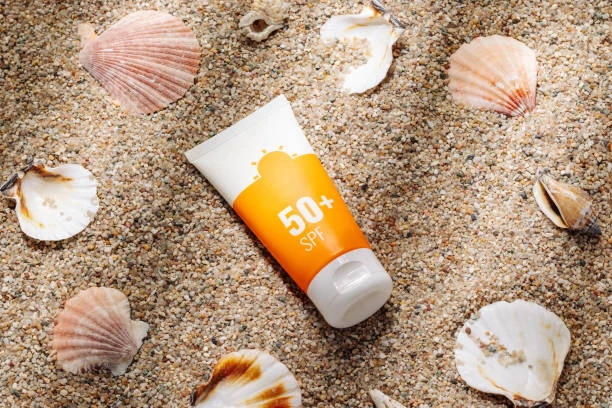
Choose an SPF of at least 30 for daily use, with higher SPF levels for extended outdoor activities. The benefits of fluid sunscreen SPF 50 include stronger protection while maintaining the lightweight feel you want in a daily sunscreen. Remember that higher SPF doesn't mean you can skip reapplication. Consistent use of a lower SPF is more effective than sporadic use of a higher SPF.
Oily skin types should look for oil-free, mattifying fluid sunscreens. Dry skin types benefit from formulas with added moisturizing ingredients. Sensitive skin types should choose fragrance-free options with minimal ingredients. Consider any specific skin concerns you want to address. Some fluid sunscreens include additional beneficial ingredients like niacinamide for oil control or antioxidants for added protection.
Fluid sunscreens are just as effective as cream formulas when applied properly. The key is using the correct amount and reapplying regularly. The main advantage of fluid formulas is improved user compliance due to their pleasant texture.
Yes, fluid sunscreens are excellent under makeup due to their lightweight texture and quick absorption. Allow the sunscreen to set for a few minutes before applying makeup for best results.
Use approximately one-quarter teaspoon of fluid sunscreen for your face and neck. This ensures adequate coverage for proper protection. Don't skimp on the amount – insufficient application significantly reduces protection.
Some fluid sunscreens offer water resistance, but not all. Check the label for water resistance claims if you'll be swimming or sweating heavily. Water-resistant formulas still require reapplication after the specified time period.
Fluid sunscreen offers an ideal balance of protection and wearability for daily use. The benefits of fluid sunscreen include lightweight texture, quick absorption, and compatibility with other skincare products and makeup. Proper application technique and regular reapplication are essential for maximum protection, regardless of the formula you choose. By selecting a fluid sunscreen that matches your skin type and lifestyle needs, you can enjoy consistent sun protection without compromising comfort or appearance. Remember that the best sunscreen is the one you'll use every day, and fluid formulations make daily sun protection more enjoyable and sustainable.
