


How Broad Spectrum Sunscreen Protects Your Skin
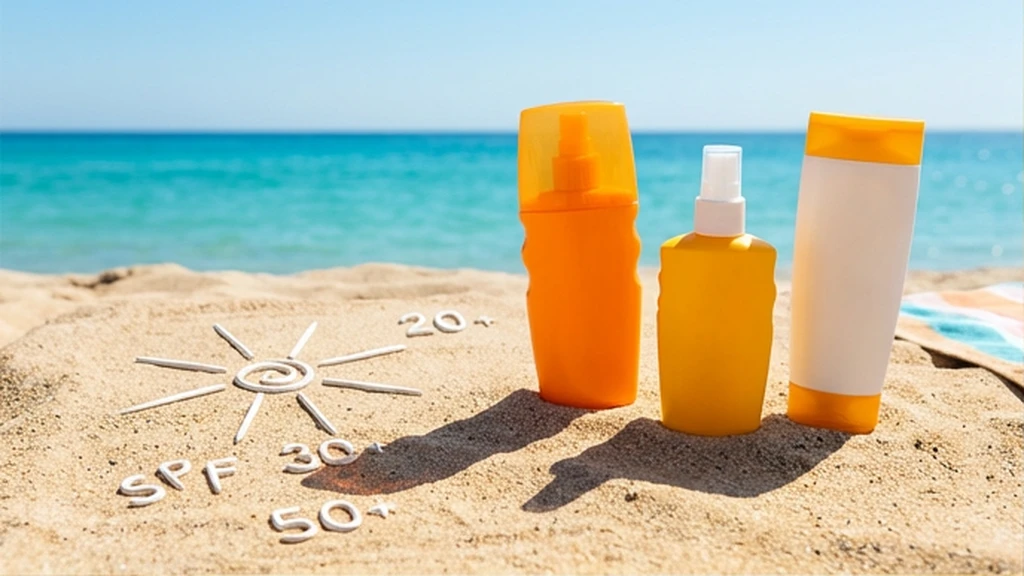
When you step outside, your skin faces invisible threats that can cause lasting damage. UV rays from the sun don't just create sunburns—they penetrate deep into your skin layers, causing premature aging, dark spots, and increasing your risk of skin cancer. This is exactly why broad spectrum sunscreen has become a non-negotiable part of daily skincare routines. Unlike regular sunscreens that only block one type of harmful ray, broad spectrum formulas provide complete protection against both UVA and UVB radiation. Understanding how this protection works and why it matters can transform your approach to sun safety and help you maintain healthier, younger-looking skin for years to come.
The key difference between broad spectrum and regular sunscreen lies in their coverage range. Regular sunscreens typically focus on blocking UVB rays, which are responsible for sunburns and surface skin damage. While this protection is important, it only tells half the story. Broad spectrum protection goes further by shielding your skin from both UVA and UVB rays. This comprehensive approach addresses the full spectrum of UV damage that your skin faces daily. Think of it like wearing both a raincoat and an umbrella instead of just one or the other—you get complete coverage against different types of threats. The FDA requires sunscreens to pass specific tests to earn the "broad spectrum" label. These tests ensure the product effectively blocks UVA rays in proportion to its UVB protection. Without this designation, you might think you're fully protected while your skin remains vulnerable to aging and deeper damage from UVA exposure.
To understand why broad spectrum sunscreen matters, you need to know how different UV rays affect your skin. The sun emits various types of radiation, but UVA and UVB rays are the ones that reach Earth and impact your skin health.
UVA rays make up about 95% of the UV radiation that reaches your skin. These rays penetrate deeper into your skin layers, reaching the dermis where collagen and elastin live. They're present year-round, maintaining consistent intensity whether it's sunny or cloudy, summer or winter. These rays cause photoaging—the premature breakdown of skin structure that leads to wrinkles, fine lines, and age spots. UVA exposure also contributes to skin cancer development, making daily protection essential.
UVB rays primarily affect your skin's surface layers, causing the redness and pain associated with sunburns. These rays vary in intensity based on season, time of day, and geographic location. They're strongest between 10 AM and 4 PM during summer months. While UVB rays don't penetrate as deeply as UVA, they're the primary cause of skin cancer. They also contribute to premature aging by damaging DNA in skin cells and triggering inflammatory responses.
When both UVA and UVB rays hit your skin simultaneously, they create a synergistic effect that amplifies damage. This combined exposure accelerates aging processes and increases cancer risk more than either ray type alone. Without broad spectrum protection, you're leaving your skin vulnerable to this compounded damage.
Research consistently shows that daily broad spectrum sunscreen use provides measurable benefits for skin health and appearance. These sunscreen benefits extend far beyond preventing sunburns. Studies demonstrate that regular sunscreen use can slow aging by up to 24%. People who use broad spectrum sunscreen daily show significantly less photoaging, including fewer wrinkles, age spots, and skin texture changes compared to those who don't use sun protection consistently. The cancer prevention benefits are equally compelling. Daily sunscreen use reduces melanoma risk by 50% and squamous cell carcinoma risk by 40%. These statistics highlight why dermatologists consider sunscreen the most effective anti-aging and cancer prevention tool available. Broad spectrum formulas also help maintain even skin tone by preventing UV-induced hyperpigmentation. This protection is especially important for people with melasma or post-inflammatory hyperpigmentation, as UV exposure can worsen these conditions significantly.
Understanding sunscreen ingredients helps you choose products that truly protect your skin. Broad spectrum formulas use different types of UV filters to block both UVA and UVB rays effectively.
Zinc oxide and titanium dioxide are mineral ingredients that sit on your skin's surface, creating a physical barrier that reflects UV rays. Zinc oxide provides excellent broad spectrum protection, blocking both UVA and UVB rays effectively. Titanium dioxide primarily blocks UVB rays but offers some UVA protection as well. These ingredients work immediately upon application and remain stable in sunlight. They're also less likely to cause skin irritation, making them ideal for sensitive skin types.
Chemical UV filters like avobenzone, octinoxate, and octocrylene work by absorbing UV rays and converting them to heat. Avobenzone specifically targets UVA rays, while octinoxate primarily blocks UVB radiation. Modern formulas often combine multiple chemical filters to achieve broad spectrum protection. These ingredients typically create lighter, more cosmetically elegant formulas that blend seamlessly into skin without leaving white residue.
Many modern sunscreens combine mineral and chemical ingredients to maximize protection while improving texture and wearability. These hybrid formulas often provide superior broad spectrum coverage and better user experience.
Selecting the best sunscreen involves considering your skin type, lifestyle, and specific protection needs. Not all broad spectrum sunscreens are created equal, and the right choice depends on several factors.
SPF 30 blocks about 97% of UVB rays, while SPF 50 blocks 98%. This small difference means SPF 30 provides excellent protection for most people when applied correctly. Higher SPF numbers don't necessarily mean better broad spectrum protection—the key is consistent, proper application. For daily use, SPF 30-50 offers optimal protection without unnecessary heaviness. Save higher SPF formulas for extended outdoor activities or high-altitude environments.
Sunscreen for face should be lightweight, non-comedogenic, and compatible with makeup. Look for formulas specifically designed for facial use, as they typically have more elegant textures and won't clog pores. Many facial sunscreens include additional skincare benefits like antioxidants, moisturizing ingredients, or tinting for a more natural appearance.
Sensitive skin benefits from mineral-based broad spectrum formulas with minimal additional ingredients. Oily skin types should choose oil-free, mattifying formulas, while dry skin needs sunscreens with added moisturizing ingredients. Water-resistant formulas are essential for swimming, sweating, or humid conditions, but remember that no sunscreen is truly waterproof.
Proper application is crucial for achieving the protection promised on the label. Daily sunscreen use requires consistent technique and timing to be effective. Apply sunscreen 15-30 minutes before sun exposure to allow proper absorption. Use about 1/4 teaspoon for your face and 1 ounce (2 tablespoons) for your entire body. Most people apply far less than this amount, significantly reducing protection levels. Reapply every two hours, or immediately after swimming, sweating, or toweling off. Even water-resistant formulas need reapplication to maintain effectiveness. Don't forget often-missed areas like ears, lips, tops of feet, and along the hairline. Layer sunscreen as the last step in your skincare routine but before makeup. Allow each layer to absorb fully before applying the next product.
Broad spectrum sunscreen protects against both UVA and UVB rays, preventing sunburn, premature aging, dark spots, and reducing skin cancer risk. Daily use is essential even on cloudy days because UV rays penetrate clouds and cause cumulative damage over time.
Yes, broad spectrum provides complete UV protection while regular sunscreen may only block UVB rays, leaving skin vulnerable to UVA damage that causes aging and deeper skin harm. The comprehensive protection makes it significantly more effective for long-term skin health.
Regular sunscreen primarily blocks UVB rays that cause sunburn, while broad spectrum sunscreen shields against both UVA rays that cause aging and UVB rays that cause burns. This complete protection addresses all types of UV damage.
Absolutely. Daily broad spectrum sunscreen use is the most effective way to prevent sun damage, maintain healthy skin, and reduce long-term aging effects. Dermatologists recommend it as an essential daily skincare step regardless of weather or season.
Broad spectrum sunscreen represents your best defense against the full range of UV damage that threatens your skin daily. By understanding how UVA and UVB rays affect your skin differently, you can appreciate why comprehensive protection matters more than just preventing sunburns. The science clearly shows that consistent use of quality broad spectrum formulas can slow aging, prevent cancer, and maintain healthier skin throughout your life. Choose a formula that fits your skin type and lifestyle, apply it correctly every day, and reapply as needed. Your future self will thank you for making this simple but powerful choice to protect your skin's health and appearance.
