

Heal Your Skin Barrier: Sun Damage Repair Guide
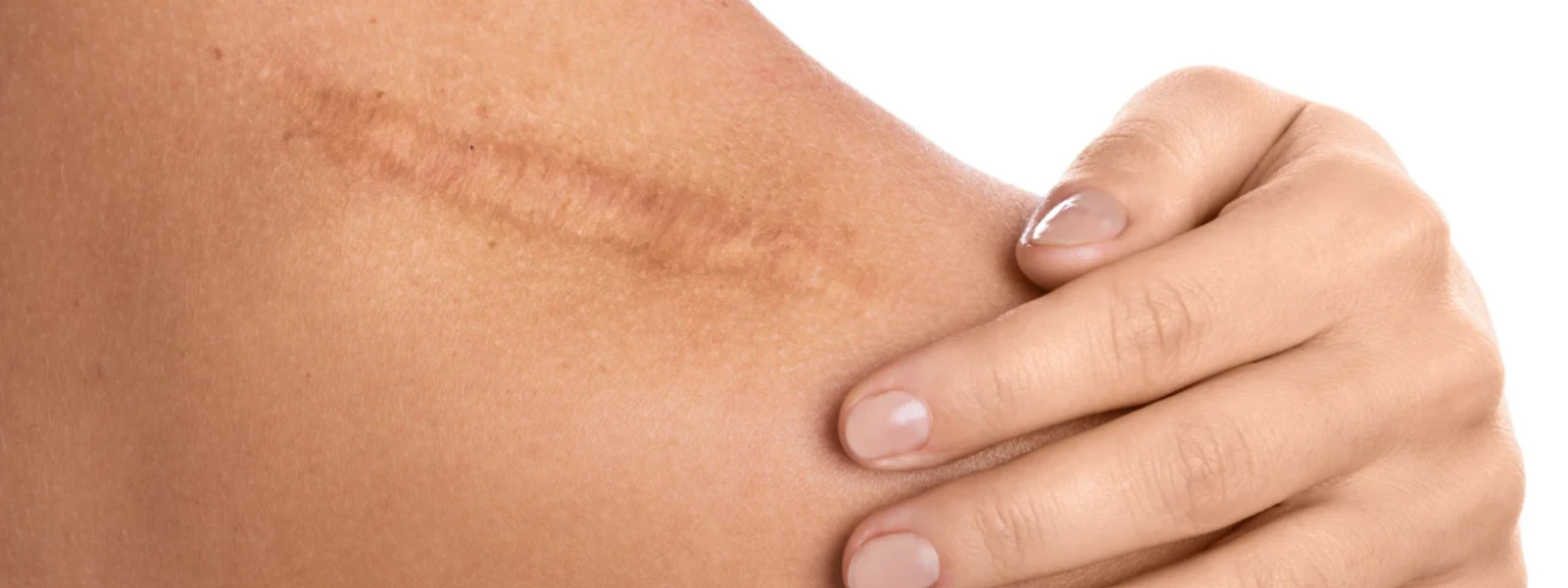
Summer sun feels amazing on your skin, but that warm glow can quickly turn into a painful reminder of UV damage. When your skin barrier takes a hit from sun exposure, it needs special care to bounce back stronger. Your skin barrier is your body's first line of defense, and when it's compromised by sun damage, everything from sensitivity to premature aging can follow. The good news? With the right approach, you can help your skin recover and rebuild its natural protective function. Let's dive into how sun exposure affects your skin barrier and what you can do to repair the damage.
Your skin barrier works like a protective shield, keeping moisture in and harmful elements out. When UV rays hit your skin, they don't just cause surface damage - they penetrate deep into the barrier structure itself. This disruption affects how well your skin can protect and heal itself. Sun exposure effects happen on multiple levels. UVA rays penetrate deeper into your skin, breaking down collagen and elastin fibers that keep your skin firm and smooth. UVB rays primarily affect the surface layers, causing immediate redness and inflammation. Both types of radiation damage the delicate balance of lipids and proteins that make up your skin barrier function.
A damaged skin barrier from sun exposure shows itself in several ways. You might notice increased skin sensitivity to sun, even with minimal exposure. Your skin may feel tight, dry, or rough to the touch. Red skin from sun exposure that takes longer than usual to fade is another telltale sign. Some people also experience increased sensitivity to skincare products they previously used without issues.
Right after sun exposure, your skin kicks into repair mode. Blood vessels dilate to bring healing nutrients to damaged areas, causing that familiar red appearance. Your skin may feel warm or tender as inflammation sets in. This is your body's natural response, but it also signals that your barrier needs extra support to heal properly.
Your skin barrier consists of dead skin cells held together by lipids, creating a brick-and-mortar structure. This outer layer, called the stratum corneum, regulates water loss and blocks environmental damage. When functioning properly, it maintains optimal hydration levels and protects against irritants, bacteria, and UV radiation. Sun damage disrupts this delicate structure in several ways. UV radiation breaks down the lipids that hold skin cells together, creating gaps where moisture can escape and irritants can enter. It also triggers inflammatory responses that can further weaken barrier integrity. Over time, repeated sun exposure leads to cumulative damage that becomes harder to reverse.
Once your barrier is compromised, it becomes less effective at filtering out harmful substances. This means your skin becomes more reactive to everything from skincare ingredients to environmental pollutants. The cycle continues as increased sensitivity makes your skin more vulnerable to future sun damage, creating a pattern that requires intentional intervention to break.
When dealing with acute sun damage, your first priority is cooling and soothing inflamed skin. Take cool showers or baths to lower skin temperature without shocking your system. Avoid hot water, which can further irritate already sensitive skin. Pat your skin dry gently instead of rubbing, which can cause additional irritation. Hydration becomes crucial during sunburn recovery. Drink plenty of water to support your skin's healing process from the inside out. Your body needs extra fluids to repair damaged tissue and maintain proper circulation to affected areas.
Gentle care is essential when your skin is recovering from sun exposure. Use fragrance-free, hypoallergenic cleansers that won't strip away remaining natural oils. Look for ingredients like aloe vera, which provides cooling relief and anti-inflammatory benefits. Avoid products with alcohol, retinoids, or acids during the acute recovery phase, as these can further irritate compromised skin.
Resist the urge to peel or pick at damaged skin, even if it's flaking. This can lead to infection and scarring. Skip exfoliating products until your skin has fully healed. Ice directly on skin can cause additional damage, so stick to cool compresses if you need extra relief.
Once the immediate inflammation subsides, you can begin more intensive skin barrier repair efforts. This phase focuses on rebuilding your skin's protective function and addressing deeper damage that may have occurred over time. The key is patience and consistency with your approach. Effective sun damage repair requires a multi-pronged strategy. You'll need to support your skin's natural healing processes while protecting against further damage. This means incorporating both treatment and prevention into your daily routine.
Start with gentle, barrier-supporting ingredients before introducing more active treatments. Ceramides help rebuild the lipid matrix that holds your skin cells together. Hyaluronic acid draws moisture into your skin and helps maintain hydration levels. Niacinamide reduces inflammation and supports overall barrier function.
Once your skin has stabilized, you can consider more intensive treatments. Vitamin C serums provide antioxidant protection while supporting collagen production. Gentle chemical exfoliants like lactic acid can help remove damaged surface cells and encourage healthy cell turnover. Always introduce new treatments gradually to avoid overwhelming recovering skin.
Protecting your repaired skin barrier requires a comprehensive approach to sun protection. Choose broad-spectrum sunscreens with at least SPF 30, and reapply every two hours when outdoors. Physical sunscreens containing zinc oxide or titanium dioxide are often gentler on sensitive, recovering skin. Consider your environment and lifestyle factors that affect skin health. Air conditioning and heating can dry out your skin, making it more vulnerable to damage. Stress and poor sleep can slow healing processes, so prioritize overall wellness as part of your skin recovery plan.
Make sun protection a non-negotiable part of your routine. Wear protective clothing when possible, and seek shade during peak UV hours between 10 AM and 4 PM. Remember that UV rays can penetrate clouds and reflect off surfaces like water and sand, so protection is important even on overcast days.
Most people see improvement in basic barrier function within 2-4 weeks of consistent care. However, deeper sun damage repair can take several months of dedicated treatment and protection.
Retinol can be beneficial for sun damage repair, but wait until acute inflammation subsides. Start with low concentrations and use only at night, always following with sunscreen during the day.
Sun damage compromises your skin barrier's ability to protect against irritants. This increased permeability makes your skin more reactive to products and environmental factors.
Peeling is your body's way of shedding damaged cells. Let it happen naturally without picking or forcing the process, which can lead to scarring or infection.
Signs of healing include reduced redness, improved hydration, less sensitivity to products, and smoother texture. If symptoms worsen or persist beyond a week, consult a dermatologist.
Healing your skin barrier from sun damage requires patience, consistency, and the right approach for your skin's current condition. Focus on gentle care during the immediate recovery phase, then gradually introduce more active treatments as your skin stabilizes. Remember that prevention is always easier than repair, so make daily sun protection a priority to protect your investment in healthy skin. With proper care and protection, your skin barrier can recover its strength and continue protecting you for years to come.
