


Facial Sunscreen vs Body Sunscreen: Key Differences
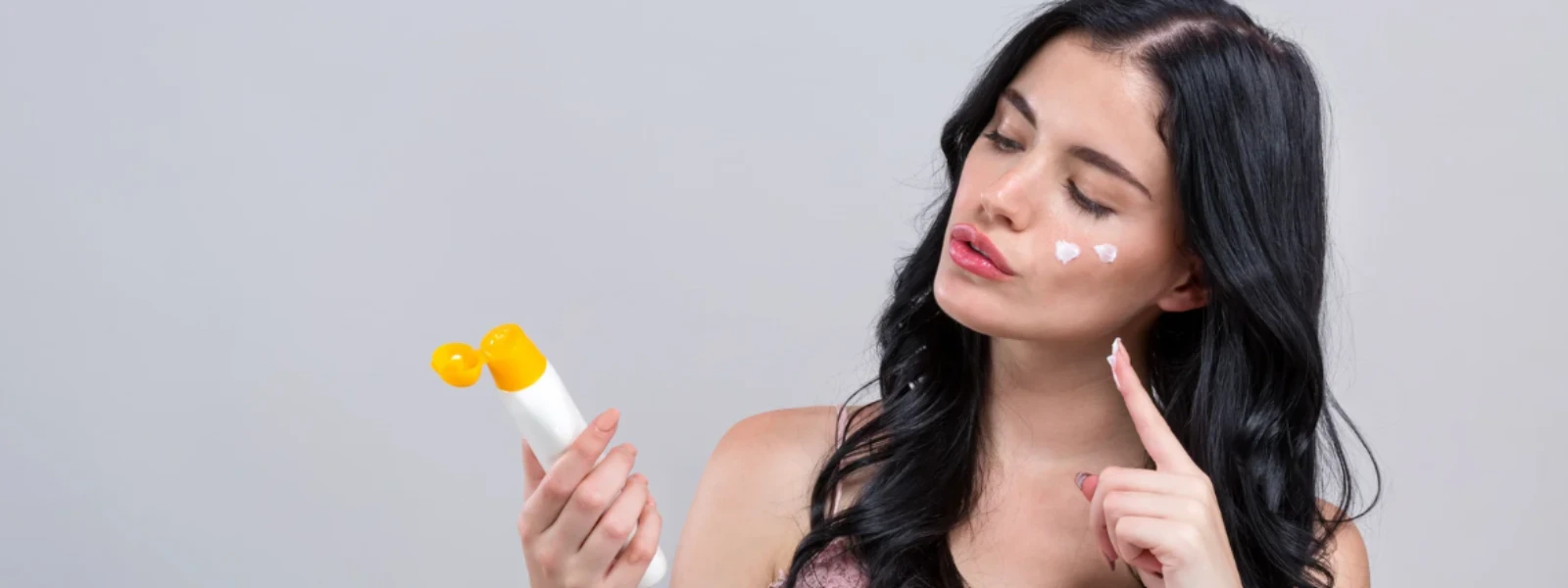
When it comes to protecting your skin from harmful UV rays, not all sunscreens are created equal. While you might think any sunscreen will do the job, your face deserves special attention. The delicate skin on your face is thinner and more sensitive than the rest of your body, making it more vulnerable to sun damage, premature aging, and skin cancer. Understanding what facial sunscreen is and how it differs from body sunscreen can help you make better choices for your daily skincare routine and long-term skin health.
Facial sunscreen is a specialized sun protection product designed specifically for the delicate skin on your face and neck. Unlike regular body sunscreen, facial formulas are created with lighter textures, gentler ingredients, and features that work well under makeup and with other skincare products. The science behind facial sunscreen protection focuses on creating a barrier against both UVA and UVB rays. UVA rays penetrate deep into the skin and cause premature aging, while UVB rays are responsible for sunburn. Your facial skin is constantly exposed to these rays, even when you're indoors near windows or on cloudy days.
What makes facial sunscreen different starts with understanding how UV rays affect your face. The skin on your face is about 40% thinner than body skin, making it more susceptible to damage. Facial sunscreens use carefully selected ingredients that provide broad-spectrum protection without causing irritation or clogging pores.
Using daily facial sunscreen is one of the most effective ways to prevent premature aging. Studies show that people who use sunscreen daily show 24% less skin aging than those who use it occasionally. This includes preventing fine lines, wrinkles, dark spots, and maintaining an even skin tone.
The main differences between facial and body sunscreens go far beyond just packaging. These products are formulated with different goals in mind, considering the unique needs of facial skin versus body skin. Facial sunscreens typically contain smaller particles that absorb more easily into the skin. They're also formulated to be compatible with makeup and other skincare products you might use in your morning routine.
Facial sunscreens have lighter, more elegant textures that absorb quickly without leaving a greasy residue. Many are formulated as lotions, gels, or even powder forms that blend seamlessly into your skin. This makes them perfect for daily use under makeup or on their own.
One of the biggest advantages of facial sunscreen is that most are **non comedogenic sunscreen** formulas. This means they won't clog your pores or cause breakouts. Body sunscreens often contain heavier oils and ingredients that can lead to acne when used on your face, especially if you have oily or acne-prone skin.
Facial sunscreens often use different concentrations of active ingredients compared to body formulas. The **sunscreen ingredients** are carefully balanced to provide effective protection while being gentle enough for daily facial use. This includes both chemical and physical UV filters that work well on sensitive facial skin.
When choosing the **best face sunscreen** for your needs, you'll encounter two main types: chemical and mineral sunscreens. Each type works differently and offers unique benefits depending on your skin type and preferences. Chemical sunscreens absorb UV rays and convert them to heat, while mineral sunscreens create a physical barrier that reflects UV rays away from your skin. Both can be effective when used properly.
**Mineral sunscreen face** products use zinc oxide and titanium dioxide as active ingredients. These are excellent choices for **sunscreen for sensitive skin** because they're less likely to cause irritation. Mineral sunscreens work immediately upon application and are often recommended by dermatologists for people with rosacea or reactive skin.
Chemical sunscreens use ingredients like avobenzone, octinoxate, and oxybenzone to provide protection. These formulas tend to be more lightweight and transparent on the skin, making them popular choices for daily wear. However, some people with sensitive skin may experience irritation from certain chemical filters.
Many modern facial sunscreens combine both mineral and chemical filters to offer the best of both worlds. Tinted sunscreens provide light coverage while protecting your skin, making them perfect for those who want to simplify their morning routine.
Selecting the right facial sunscreen depends on your specific skin type, concerns, and lifestyle. What works for your friend might not be the best choice for you, so it's important to consider your individual needs. For oily skin, look for oil-free, mattifying formulas. For dry skin, choose hydrating sunscreens with moisturizing ingredients. For sensitive skin, mineral formulas are often the safest bet.
If you have oily or acne-prone skin, choose lightweight, gel-based, or powder sunscreens. Look for **non comedogenic sunscreen** labels and avoid heavy, cream-based formulas that might clog your pores. Some facial sunscreens even contain ingredients like niacinamide that can help control oil production.
For dry or mature skin, look for facial sunscreens that double as moisturizers. These formulas often contain hydrating ingredients like hyaluronic acid or ceramides. Cream-based sunscreens tend to work well for this skin type, providing both protection and hydration.
People with sensitive skin should stick to fragrance-free, hypoallergenic formulas. **Mineral sunscreen face** products are often the best choice because they're less likely to cause irritation. Look for products that have been dermatologist-tested and are specifically labeled for sensitive skin.
Knowing **how to apply sunscreen** correctly is just as important as choosing the right product. Many people don't use enough sunscreen or apply it incorrectly, which reduces its effectiveness significantly. The general rule is to use about 1/4 teaspoon of sunscreen for your face and neck. This might seem like a lot, but it's necessary for proper protection. Apply sunscreen 15-30 minutes before going outside to allow it to absorb properly.
Start with clean, moisturized skin. Apply your **daily facial sunscreen** in upward strokes, making sure to cover all areas including your forehead, cheeks, nose, chin, and neck. Don't forget often-missed spots like around your eyes, ears, and hairline.
Sunscreen should be the last step in your morning skincare routine, applied after serums and moisturizers but before makeup. If you're using multiple products, wait a few minutes between each application to allow proper absorption.
Many people forget to apply sunscreen to their eyelids, ears, and the area around their hairline. These spots are particularly vulnerable to sun damage. Also, remember to reapply every two hours, especially if you're spending time outdoors or sweating.
Consistent use of facial sunscreen provides incredible long-term benefits for your skin health and appearance. The effects of **sun damage prevention** compound over time, making daily use one of the best investments you can make in your skin. Regular sunscreen use helps prevent photoaging, which includes wrinkles, fine lines, age spots, and loss of skin elasticity. It also significantly reduces your risk of developing skin cancer, including melanoma.
Daily **face sun protection** helps preserve your skin's collagen and elastin, keeping it firm and youthful-looking. It also prevents the formation of dark spots and hyperpigmentation, maintaining an even skin tone. People who use sunscreen daily often look years younger than those who don't.
Using sunscreen only when you're at the beach or pool isn't enough. UV rays can penetrate clouds and windows, so you're exposed to them even on overcast days or while indoors. Making **daily facial sunscreen** part of your routine provides consistent protection year-round.
Facial sunscreen protects the delicate skin on your face from harmful UV rays, preventing sunburn, premature aging, dark spots, and skin cancer. It's specifically formulated to be gentle enough for daily use on facial skin.
While body sunscreen will provide UV protection, it's not ideal for facial use. Body sunscreens are often heavier, more likely to clog pores, and may cause breakouts or irritation on the sensitive skin of your face.
Use about 1/4 teaspoon of sunscreen for your face and neck. This ensures you get the SPF protection listed on the bottle. Most people use too little sunscreen, which significantly reduces its effectiveness.
If you're sitting near windows or under fluorescent lights, some UV exposure is possible. For typical indoor activities, morning application is usually sufficient, but reapply if you step outside during the day.
SPF 30 blocks about 97% of UVB rays, while SPF 50 blocks about 98%. The difference is small, but SPF 50 can provide slightly better protection, especially if you don't apply sunscreen perfectly every time.
Choosing the right facial sunscreen is essential for protecting your skin's health and appearance. Unlike body sunscreens, facial formulas are designed to be lightweight, non-comedogenic, and compatible with your daily skincare routine. Whether you choose a mineral or chemical formula, the most important factor is consistent daily use. Remember to apply enough product, reapply as needed, and make sunscreen a non-negotiable part of your morning routine. Your future self will thank you for the protection you provide today.
