


Essential Checklist: Sunscreen for Acne-Prone Skin Without Breakouts
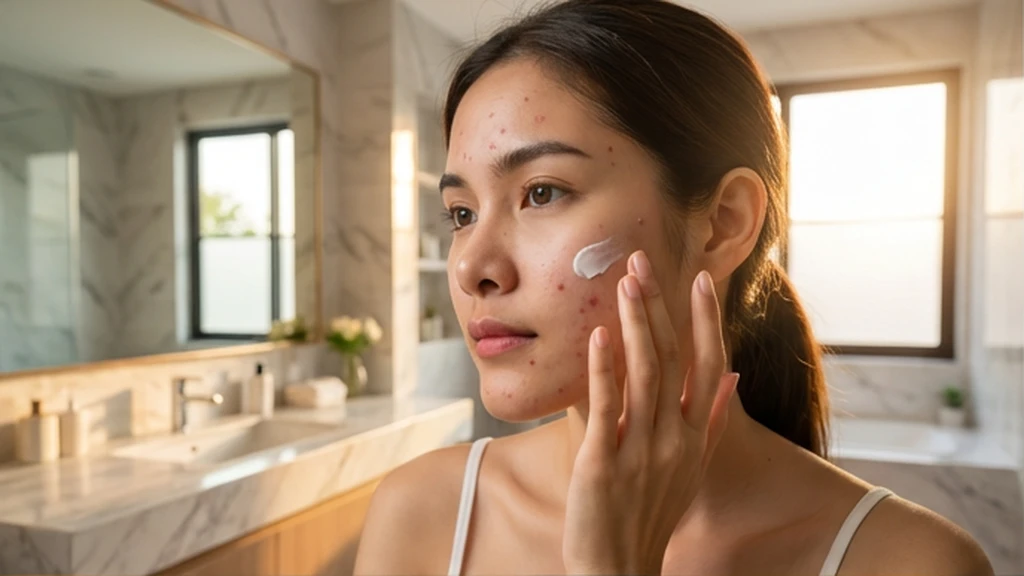
Finding the right sunscreen for acne prone skin can feel like solving a puzzle. You need protection from harmful UV rays, but many formulas seem to trigger breakouts or make your skin feel greasy. The good news? You don't have to choose between clear skin and sun protection. With the right knowledge and a strategic approach, you can find a sunscreen that shields your skin without clogging pores or causing irritation. This comprehensive checklist will guide you through everything you need to know about selecting and using sunscreen that works with your acne-prone skin, not against it.
Acne-prone skin behaves differently than other skin types, and this affects how it responds to sun protection products. Your skin produces more oil, has larger pores, and is often more sensitive to certain ingredients. Traditional sunscreens can feel heavy and may contain ingredients that block pores or irritate already inflamed skin.
UV damage doesn't just cause sunburn – it can worsen acne scarring and dark spots. When your skin is healing from breakouts, sun exposure can make those marks darker and more permanent. This is why finding the right sunscreen for acne isn't just about prevention; it's about protecting your skin's healing process too.
Many traditional sunscreens contain heavy oils, thick emollients, or pore-clogging ingredients that can trigger breakouts. These formulas were designed for normal skin types and don't account for the unique challenges of acne-prone skin.
The key to finding a great non comedogenic sunscreen lies in understanding which ingredients help your skin and which ones to avoid. This ingredient checklist will help you make informed decisions when reading product labels.
Look for formulas that combine sun protection with skin-beneficial ingredients. The best products for acne-prone skin often multitask, providing protection while addressing your specific skin concerns.
Zinc oxide and titanium dioxide are your best friends when it comes to mineral sunscreen options. These ingredients sit on top of your skin and reflect UV rays away, rather than absorbing into your skin like chemical sunscreens do.
Other beneficial ingredients include:
Niacinamide for oil control and pore refinement
Hyaluronic acid for lightweight, non-greasy hydration
Salicylic acid for gentle exfoliation and pore clearing
Antioxidants like vitamin C or green tea extract
Steer clear of heavy oils like coconut oil, cocoa butter, or mineral oil. These can clog pores and trigger breakouts. Also avoid fragrances, essential oils, and alcohol-based formulations that can irritate sensitive, acne-prone skin.
The texture of your sunscreen matters just as much as the ingredients. Oil free sunscreen formulas are typically your best bet, but the specific texture should match your skin's needs and your lifestyle.
Gel-based formulas work well for very oily skin, while lightweight lotions can be perfect for combination skin types. If you have sunscreen for sensitive skin needs, look for formulas specifically labeled as gentle or hypoallergenic.
Consider your daily routine when choosing texture. If you wear makeup, look for formulas that layer well and don't pill under foundation. For active lifestyles, water-resistant options provide better protection during exercise or outdoor activities.
Even the best sunscreen for acne won't work properly if you don't apply it correctly. Proper application techniques can make the difference between protection and breakouts.
Start with clean skin and apply your acne treatments first. Wait a few minutes before applying sunscreen to avoid mixing products. Use about a quarter teaspoon for your face and neck, and don't forget often-missed areas like your ears and hairline.
Reapplying sun protection for acne prone skin throughout the day doesn't have to mess up your makeup or cause breakouts. Powder sunscreens or setting sprays with SPF can help maintain protection without adding extra oils to your skin.
When shopping for sunscreen without breakouts, use this criteria checklist to narrow down your options. Look for SPF 30-50 for daily use – higher SPF levels often contain more ingredients that can irritate acne-prone skin.
Broad-spectrum protection is non-negotiable. This means the sunscreen protects against both UVA and UVB rays. UVA rays are particularly harmful for acne-prone skin because they can worsen dark spots and scarring.
Look for products that are dermatologist-tested or recommended. Many acne safe sunscreen options have undergone specific testing to ensure they won't clog pores or cause breakouts.
The best face sunscreen for acne prone skin is one that fits seamlessly into your existing routine. Plan your morning timeline to allow each product to absorb before applying the next layer.
In the evening, make sure to thoroughly remove your sunscreen with a gentle cleanser. Double cleansing can help ensure all traces are removed without over-stripping your skin.
The best sunscreen for acne-prone skin is typically a mineral-based, oil-free formula with zinc oxide or titanium dioxide. Look for non-comedogenic labels and avoid heavy oils or fragrances.
Yes, sunscreen is essential for acne-prone skin. UV damage can worsen acne scarring and dark spots. The key is choosing the right formula that won't clog pores or trigger breakouts.
SPF 30-50 is ideal for acne-prone skin. Higher SPF levels often contain more ingredients that can irritate sensitive skin, so SPF 50 is usually the upper limit recommended for daily use.
While sunscreen doesn't treat existing scars, it prevents UV damage that can make dark spots and scarring worse. Consistent sun protection is crucial for allowing your skin to heal properly.
Finding the right sunscreen for acne-prone skin doesn't have to be overwhelming. Focus on mineral-based, oil-free formulas with beneficial ingredients like niacinamide or salicylic acid. Remember that proper application and removal are just as important as choosing the right product. With this checklist as your guide, you can protect your skin from UV damage while maintaining clear, healthy skin. The investment in finding your perfect sunscreen match will pay off in better skin health and confidence in your daily routine.
