


Essential Checklist: Finding the Best Sunscreen Texture for Oily Skin
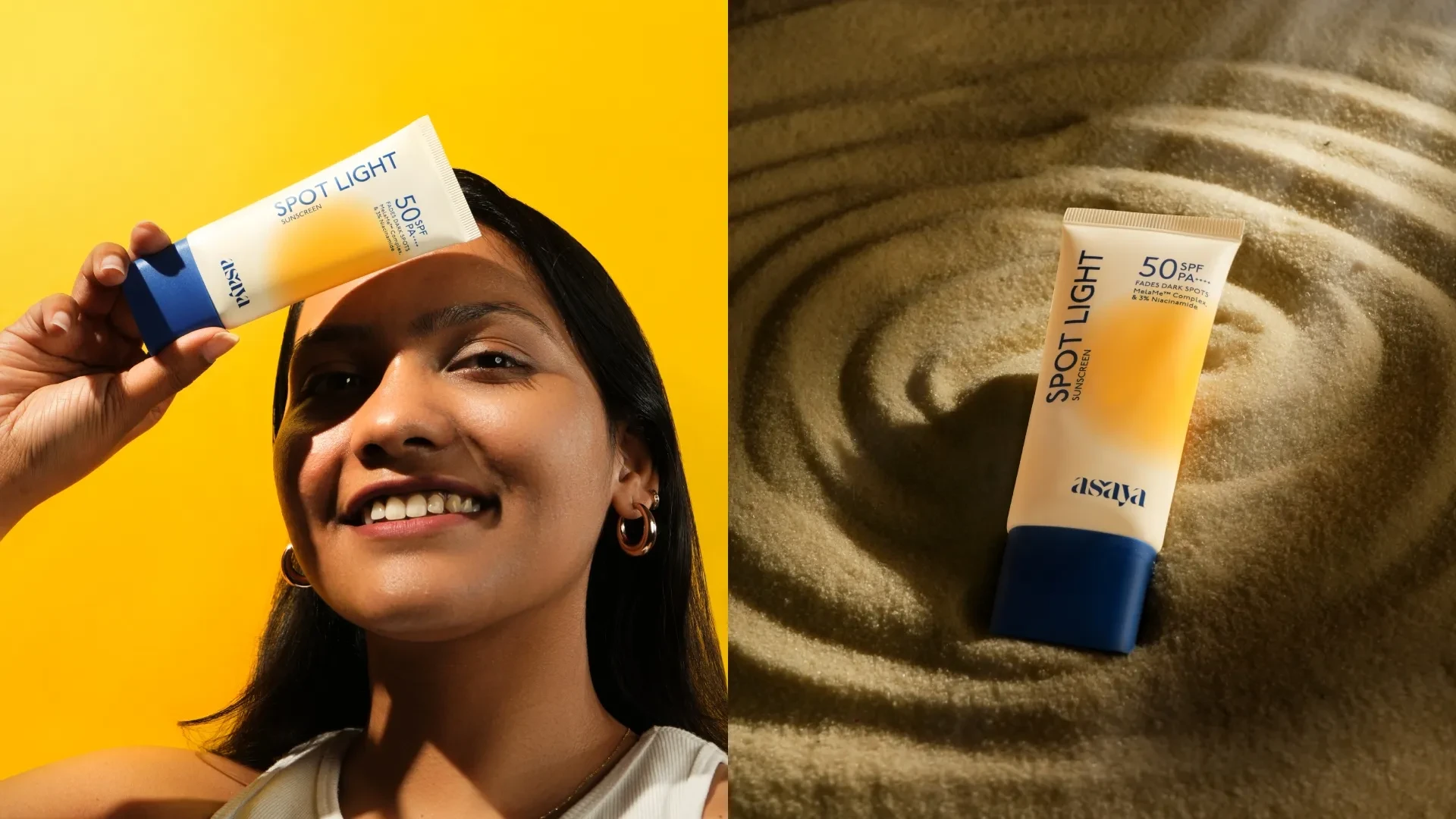
Finding the right sunscreen texture for oily skin can feel like searching for a needle in a haystack. Your skin produces excess oil throughout the day, and the wrong sunscreen can turn your face into a greasy mess or trigger unwanted breakouts. The good news is that with the right knowledge and a systematic approach, you can discover formulas that provide excellent sun protection oily skin needs without compromising your skin's balance. This comprehensive checklist will guide you through everything you need to know about selecting the perfect sunscreen texture that works harmoniously with your oily skin type.
When you have oily skin, the sunscreen texture for oily skin becomes crucial because your sebaceous glands are already working overtime. Heavy, cream-based formulas can mix with your natural oils and create a thick, uncomfortable layer that clogs pores and triggers acne. The science behind this interaction is straightforward: oily skin produces more sebum, and when combined with the wrong sunscreen formula, it can create an environment where bacteria thrive.
The wrong texture choice doesn't just affect comfort—it impacts your entire skincare routine and makeup application. Heavy formulas can cause your foundation to slide off, create patchy coverage, and leave you reaching for blotting papers every hour. Understanding how different textures interact with your skin's natural oil production is the first step toward finding your perfect sun protection oily skin solution.
Not all sunscreen textures are created equal, especially when it comes to oily skin compatibility. The best sunscreen oily skin formulas typically fall into three main categories, each offering unique benefits for different lifestyle needs and preferences.
Sunscreen gel oily skin formulas are often considered the holy grail for those dealing with excess oil production. These water-based formulations absorb quickly into the skin without leaving a greasy residue. The cooling effect of gel textures can also help minimize the appearance of pores and provide a refreshing sensation during application.
Matte sunscreen options contain oil-absorbing ingredients that help control shine throughout the day. These formulas often double as primers, creating a smooth base for makeup application while providing essential UV protection.
Lightweight sunscreen formulas offer ultra-thin consistency that blends seamlessly into the skin. These textures are perfect for layering with other skincare products and provide invisible protection that doesn't interfere with your daily routine.
The ingredients in your sunscreen are just as important as the texture when you're dealing with oily skin. Non comedogenic sunscreen formulas should be your starting point, but understanding specific ingredients can help you make even better choices.
Mineral sunscreen oily skin formulas often feature zinc oxide or titanium dioxide as active ingredients. These physical blockers sit on top of the skin and reflect UV rays without clogging pores. Chemical sunscreens can also work well for oily skin when formulated correctly.
Look for silicones that provide smooth application, mattifying powders that absorb excess oil, and lightweight hydrating elements like hyaluronic acid that won't clog pores. These ingredients work together to create the perfect texture balance for oily skin types.
When shopping for sunscreen for acne prone skin, certain textures and ingredients should raise immediate red flags. Heavy cream formulations, especially those containing coconut oil or other comedogenic ingredients, can worsen existing acne and create new breakouts.
Overly emollient textures that feel rich and moisturizing might seem appealing, but they can trigger excess oil production and leave your skin feeling suffocated. Additionally, fragranced formulas and those containing high amounts of alcohol can irritate sensitive oily skin and disrupt your skin's natural barrier function.
Proper application technique can make or break your sunscreen for oily skin experience. Start with clean, lightly moisturized skin—oily skin still needs hydration, just in lighter formulations.
For gel textures, apply in thin layers and allow each layer to absorb before adding more product. Matte formulas should be pressed gently into the skin rather than rubbed, which can disturb the mattifying particles. Lightweight fluids can be applied with gentle patting motions to ensure even coverage without disrupting your skincare base.
Before making your final decision, run through this comprehensive checklist to ensure you're choosing the best possible oil free sunscreen for your needs. Consider your climate—humid environments may require more mattifying formulas, while dry climates might allow for slightly more hydrating textures.
Test the formula on a small area of your face before committing to daily use. Pay attention to how your skin feels after 2-3 hours of wear, and note whether the formula plays well with your existing skincare routine and makeup preferences.
Gel sunscreens are actually ideal for very oily skin types. Their water-based formulation absorbs quickly and doesn't add extra oil to your skin's surface.
Look for products specifically labeled as non-comedogenic and check the ingredient list for known pore-clogging ingredients like coconut oil or heavy waxes.
Even oily skin needs proper hydration. Use a lightweight, oil-free moisturizer before applying your sunscreen for the best results.
Many matte sunscreens do provide primer-like benefits, but this depends on your specific makeup routine and the sunscreen formula you choose.
Finding the perfect sunscreen texture for oily skin doesn't have to be overwhelming when you know what to look for. Focus on lightweight, non-comedogenic formulas that complement your skin's natural oil production rather than fighting against it. Remember that the best sunscreen is the one you'll actually use every day, so prioritize comfort and wearability alongside protection. With this comprehensive checklist in hand, you're well-equipped to make an informed decision that will keep your skin protected, comfortable, and looking its best.
