


Complete Guide: How to Choose the Right Sunscreen
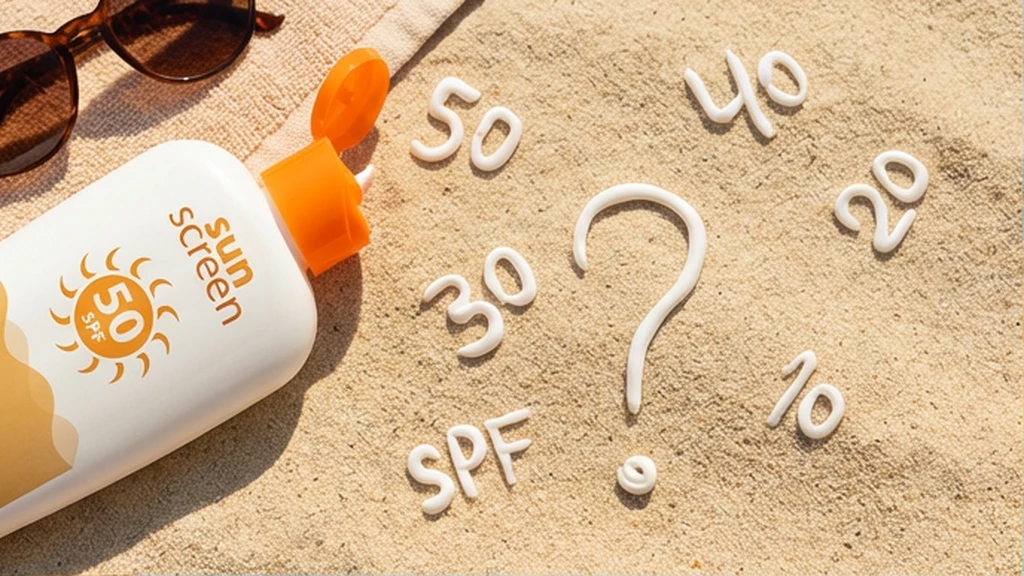
Finding the right sunscreen can feel overwhelming with countless options lining store shelves. But protecting your skin from harmful UV rays doesn't have to be complicated. Whether you're planning a beach vacation or just stepping out for daily errands, understanding how to choose sunscreen that works for your unique needs is essential for maintaining healthy, protected skin. This comprehensive sunscreen guide will walk you through everything from SPF ratings to ingredient lists, helping you make informed decisions about your sun protection routine.
Before diving into specific products, it's crucial to understand what makes sunscreen effective. The sun emits two types of harmful ultraviolet radiation that reach your skin: UVA and UVB rays. Each type affects your skin differently, which is why comprehensive protection requires understanding both.
Sun Protection Factor (SPF) measures how well a sunscreen protects against UVB rays, which cause sunburn. SPF 30 blocks approximately 97% of UVB rays, while SPF 50 blocks about 98%. Despite what marketing might suggest, there's minimal difference between higher SPF numbers in terms of actual protection.
Look for broad spectrum sunscreen on labels, which means the product protects against both UVA and UVB rays. UVA rays penetrate deeper into skin and contribute to premature aging and wrinkles. UVB rays cause surface burning and play a key role in developing skin cancer.
Understanding different types of sunscreen helps you choose the most suitable option for your lifestyle and skin needs. The two main categories are mineral and chemical sunscreens, each offering distinct advantages.
Mineral sunscreens contain zinc oxide or titanium dioxide as active ingredients. These create a physical barrier on your skin's surface, reflecting UV rays away from your body. They're particularly beneficial for sensitive skin and provide immediate protection upon application.
Chemical sunscreens absorb UV radiation and convert it to heat, which is then released from your skin. Common sunscreen ingredients include avobenzone, octinoxate, and oxybenzone. These formulations typically feel lighter and blend more easily into skin.
Many modern sunscreens combine both mineral and chemical ingredients to maximize protection while minimizing drawbacks like white residue or heavy texture.
Your skin type significantly influences which sunscreen will work best for you. Understanding your specific needs ensures you'll actually want to use your sun protection daily.
Look for oil-free, non-comedogenic formulations that won't clog pores. Gel-based or lightweight lotion textures work well, and many offer matte finishes that help control shine throughout the day.
Choose creamy, moisturizing formulas that provide hydration alongside protection. Look for added ingredients like hyaluronic acid or glycerin that help maintain skin moisture.
Fragrance-free, hypoallergenic options minimize irritation risk. Mineral sunscreens are often gentler for reactive skin types. Always patch test new products before full application.
Different areas of your body have varying needs when it comes to sun protection. Understanding these differences helps you choose appropriate products for maximum comfort and effectiveness.
Sunscreen for face should be lightweight, non-greasy, and compatible with makeup if you wear it. Facial sunscreens often include additional benefits like antioxidants or anti-aging ingredients. Apply about a quarter teaspoon to cover your entire face and neck.
Sunscreen for body prioritizes broad coverage and water resistance. You'll need approximately one ounce (about a shot glass full) to cover your entire body adequately. Body formulations can be thicker and more economical than facial products.
Don't forget often-missed spots like ears, feet, and the back of your neck. Stick formulations work well for precise application around eyes and lips.
Even the best sunscreen won't protect you if applied incorrectly. Sunscreen application technique is just as important as the product you choose.
Apply sunscreen 15-30 minutes before sun exposure to allow proper absorption. Use generous amounts - most people apply only 25-50% of the recommended quantity, significantly reducing protection.
Reapply every two hours, or immediately after swimming, sweating, or toweling off. Water-resistant formulas maintain protection for 40-80 minutes in water, but still require reapplication.
Avoid rubbing sunscreen in too vigorously, which can reduce effectiveness. Don't forget to check expiration dates - expired sunscreen loses potency and may cause skin irritation.
Reading sunscreen labels effectively helps you make informed choices about ingredients and claims. Understanding what different terms mean ensures you get the protection you expect.
Active ingredients should be clearly listed with concentrations. Look for beneficial additions like vitamin E, aloe vera, or ceramides that provide extra skin benefits alongside protection.
Water-resistant doesn't mean waterproof - no sunscreen is completely waterproof. Natural or organic claims don't necessarily mean more effective protection. Focus on SPF ratings and broad spectrum coverage instead.
SPF 30 provides excellent protection for daily use, blocking 97% of UVB rays. SPF 50 offers slightly more protection at 98% and may last longer between applications. Choose based on your sun exposure level and reapplication habits.
While possible, facial sunscreens are formulated for delicate facial skin and daily wear under makeup. Body sunscreens prioritize water resistance and coverage for larger areas.
Mineral sunscreens sit on skin's surface and reflect UV rays, while chemical sunscreens absorb into skin and convert UV radiation to heat. Both offer effective protection when used properly.
Use about one ounce (two tablespoons) for your entire body and a quarter teaspoon for your face and neck. Most people under-apply, reducing protection significantly.
Yes, up to 80% of UV rays can penetrate clouds. Daily sunscreen use protects against cumulative sun damage that occurs during routine activities.
Choosing the right sunscreen involves understanding your skin type, lifestyle needs, and proper application techniques. Focus on broad spectrum protection with at least SPF 30, apply generously and reapply regularly. Remember that the sunscreen benefits extend far beyond preventing sunburn - consistent use helps prevent premature aging, dark spots, and reduces skin cancer risk. Make sun protection a daily habit, just like brushing your teeth, for healthier skin throughout your life.
