


Beach SPF Protection: A Step-by-Step Guide to Sun Safety
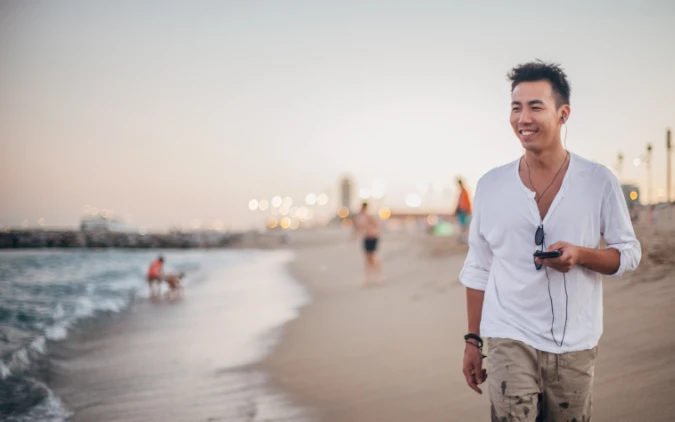
Beach days bring joy, relaxation, and unfortunately, some of the highest UV exposure risks you'll face all year. The combination of direct sunlight, reflected rays from sand and water, and extended outdoor time creates a perfect storm for skin damage. While we all love that sun-kissed glow, protecting your skin doesn't mean missing out on beach fun. Smart beach SPF protection tips can keep you safe while you soak up those coastal vibes. Let's dive into a comprehensive guide that covers everything from choosing the right sunscreen to timing your beach visits for maximum safety.
Beach environments present unique challenges that make standard sun protection insufficient. Sand reflects up to 15% of UV rays back at your skin, while water can reflect another 10-20%. This means you're getting hit from multiple angles, not just from above. The ocean breeze might make you feel cooler, but it doesn't reduce UV intensity – it actually tricks you into staying out longer than you should.
Studies show that beach-goers experience 25% more UV exposure than those enjoying outdoor activities in other settings. The salt air and humidity can also break down sunscreen faster, making reapplication even more critical. Add in activities like swimming, beach volleyball, or long walks along the shore, and you're looking at extended exposure times that require serious protection strategies.
Not all sunscreens are created equal, especially when it comes to beach conditions. The intense UV exposure, water activities, and longer wear times demand specific features that go beyond basic sun protection. Understanding these differences can mean the difference between a great beach day and a painful sunburn recovery.
For beach activities, SPF 30 is the absolute minimum, blocking about 97% of UVB rays. SPF 50 bumps that protection up to 98%, while SPF 100 reaches 99%. While the percentage difference seems small, that extra 1-2% becomes significant during extended beach exposure.
Beach sunscreens must offer broad-spectrum protection against both UVA and UVB rays. UVB rays cause immediate burning, while UVA rays penetrate deeper, causing long-term damage and premature aging. Look for ingredients like zinc oxide or titanium dioxide for comprehensive coverage.
No sunscreen is truly waterproof, but water-resistant formulas maintain their SPF for either 40 or 80 minutes of water exposure. For beach activities involving swimming or water sports, choose 80-minute water resistance and still plan to reapply immediately after toweling off.
Physical sunscreens with zinc oxide or titanium dioxide work immediately and resist washing off better than chemical formulas. Chemical sunscreens absorb into skin and need 30 minutes to activate, but they often feel lighter and less visible on skin.
Proper sunscreen application is just as important as choosing the right product. Most people apply only 25-50% of the recommended amount, drastically reducing their protection. Following a systematic approach ensures complete coverage and maximum effectiveness throughout your beach day.
Squeeze sunscreen along three fingers for your face and neck. This equals about one teaspoon, which is the dermatologist-recommended amount. For your body, you need about one ounce total – enough to fill a shot glass.
Apply sunscreen 30 minutes before heading to the beach. This gives chemical sunscreens time to absorb and activate, while physical sunscreens need time to form an even protective layer on your skin.
Pay special attention to often-forgotten areas: tops of feet, ears, lips, scalp (especially if hair is thin), and the area around your eyes. These spots burn easily and are frequently missed during application.
Reapply every two hours minimum, plus immediately after swimming, sweating heavily, or toweling off. Set a phone alarm to remind yourself – it's easy to lose track of time when you're having fun.
Comprehensive beach sun protection goes far beyond just slathering on sunscreen. The 5 S's framework provides a complete approach to sun safety that addresses multiple protection layers. This strategy is especially important for extended beach days or high-risk situations.
UV-protective clothing with UPF ratings offers reliable protection that doesn't wash off or need reapplication. Look for tightly woven fabrics in darker colors for maximum protection.
Apply generous amounts of broad-spectrum SPF 30+ sunscreen to all exposed skin. Don't forget areas like your scalp, ears, and the tops of your feet.
Wide-brimmed hats provide shade for your face, neck, and shoulders. Choose hats with at least a 4-inch brim all around for optimal protection.
Create your own shade with umbrellas, pop-up tents, or canopies. Even under shade, you still need sunscreen due to reflected UV rays from sand and water.
Protect your eyes and the delicate skin around them with UV400-rated sunglasses. This blocks 99-100% of both UVA and UVB rays.
While sunscreen remains the gold standard for UV protection, natural methods can complement your sun safety strategy. These approaches work best when combined with proper sunscreen use, not as complete replacements. Understanding natural protection methods helps you make smarter choices about timing and positioning during beach visits.
UV rays are strongest between 11 AM and 3 PM. Plan beach activities for early morning or late afternoon when the sun's angle reduces UV intensity by up to 60%.
Position umbrellas and tents to account for the sun's movement throughout the day. Remember that sand and water still reflect UV rays, so shade alone isn't complete protection.
UPF-rated clothing provides consistent protection without reapplication needs. Long-sleeved rash guards, cover-ups, and UV-protective swimwear offer reliable defense during water activities.
Foods rich in antioxidants like tomatoes, leafy greens, and berries may provide mild internal sun protection. Stay well-hydrated to help your skin maintain its natural protective barrier.
Certain situations and individuals require extra attention when it comes to beach safety and sunburn prevention. Understanding these special circumstances helps you adjust your protection strategy accordingly. Whether you're dealing with sensitive skin, caring for children, or engaging in high-risk activities, tailored approaches ensure better outcomes.
Children under 6 months should avoid direct sun exposure entirely. For older children, use mineral sunscreens with zinc oxide, apply extra generously, and reapply more frequently than adult schedules suggest.
Activities like surfing, sailing, or beach volleyball require sport-specific sunscreens that resist sweat and water better. Consider stick formulas for easy reapplication during activities.
Rinse off salt and sand immediately after beach time, then apply moisturizer while skin is still damp. Look for products with aloe vera or hyaluronic acid to restore hydration.
Avoid applying sunscreen over dirty or sandy skin, using expired products, or relying solely on makeup with SPF. These common mistakes can leave you vulnerable to serious burns.
Combine multiple protection methods: apply broad-spectrum SPF 30+ sunscreen 30 minutes before exposure, seek shade during peak hours (11 AM-3 PM), wear protective clothing and wide-brimmed hats, and reapply sunscreen every 2 hours or after swimming.
SPF 30 is the minimum recommended for beach activities, but SPF 50 provides better protection for extended exposure. Choose water-resistant formulas that maintain protection for 80 minutes of water activity.
The 5 S's are: Slip on protective clothing, Slop on broad-spectrum sunscreen, Slap on a wide-brimmed hat, Seek shade especially during peak UV hours, and Slide on UV400-rated sunglasses.
Reapply every 2 hours minimum, plus immediately after swimming, sweating heavily, or toweling off. Set reminders on your phone since it's easy to lose track of time during beach activities.
Yes, up to 80% of UV rays can penetrate clouds. Sand and water reflection also increase UV exposure regardless of cloud cover, making sunscreen essential even on overcast beach days.
Visit before 11 AM or after 3 PM when UV rays are less intense. Early morning and late afternoon beach times can reduce UV exposure by up to 60% compared to midday visits.
Effective beach sun protection requires a multi-layered approach that goes beyond just applying sunscreen. The unique challenges of beach environments – including reflected UV rays from sand and water – demand specific strategies and products designed for these conditions. Remember that proper application technique is just as important as choosing the right SPF level.
The 5 S's framework provides a comprehensive approach to sun safety that addresses all aspects of protection. Timing your beach visits, creating adequate shade, and maintaining consistent reapplication schedules are equally important as selecting quality sun protection products. By following these evidence-based strategies, you can enjoy beach days safely while protecting your skin's long-term health.
