

How to Use Pigmentation Soap for Brighter, Clearer Skin
Dealing with dark spots, uneven skin tone, or stubborn patches of discoloration? You're not alone in this journey. Millions of people worldwide struggle with various forms of hyperpigmentation, from melasma and age spots to post-inflammatory marks left behind by acne. While there are countless treatments available, one gentle yet effective solution has been gaining popularity: pigmentation soap. These specially formulated cleansers offer a simple way to incorporate skin-brightening ingredients into your daily routine. Let's explore how to use these powerful soaps effectively and what you can realistically expect from your skin-brightening journey.
Unlike regular cleansers, skin brightening soap contains active ingredients specifically chosen to target melanin production and promote cell turnover. These soaps work by gently exfoliating the skin's surface while delivering concentrated brightening compounds directly to problem areas. The most effective formulations combine multiple approaches to tackle pigmentation. Some focus on inhibiting melanin production, while others accelerate the removal of already-pigmented skin cells. This dual action makes them particularly effective for addressing various types of discoloration.
Kojic acid stands out as one of the most researched ingredients in dark spot remover soap. Derived from fungi, this natural compound blocks the enzyme responsible for melanin production. You'll often find it paired with glycolic acid, which helps remove dead skin cells and allows the kojic acid to penetrate more effectively. Glutathione, known as the body's master antioxidant, has gained recognition for its skin-brightening properties. When incorporated into soap formulations, it helps reduce oxidative stress that can worsen pigmentation while promoting overall skin health.
Selecting the right hyperpigmentation treatment soap depends on your specific skin concerns and sensitivity level. Different formulations target different types of pigmentation more effectively. For those dealing with hormonal changes, melasma soap typically contains ingredients like arbutin and vitamin C, which work synergistically to address the stubborn patches that characterize this condition. These formulations are often gentler, recognizing that melasma-prone skin can be particularly sensitive.
Sensitive skin requires extra consideration when choosing age spots soap. Look for formulations with lower concentrations of active ingredients and added soothing agents like aloe vera or chamomile. Starting with milder options allows your skin to build tolerance gradually. Oily skin can typically handle stronger formulations with higher concentrations of exfoliating acids. These skin types often benefit from uneven skin tone soap that combines brightening with oil control properties.
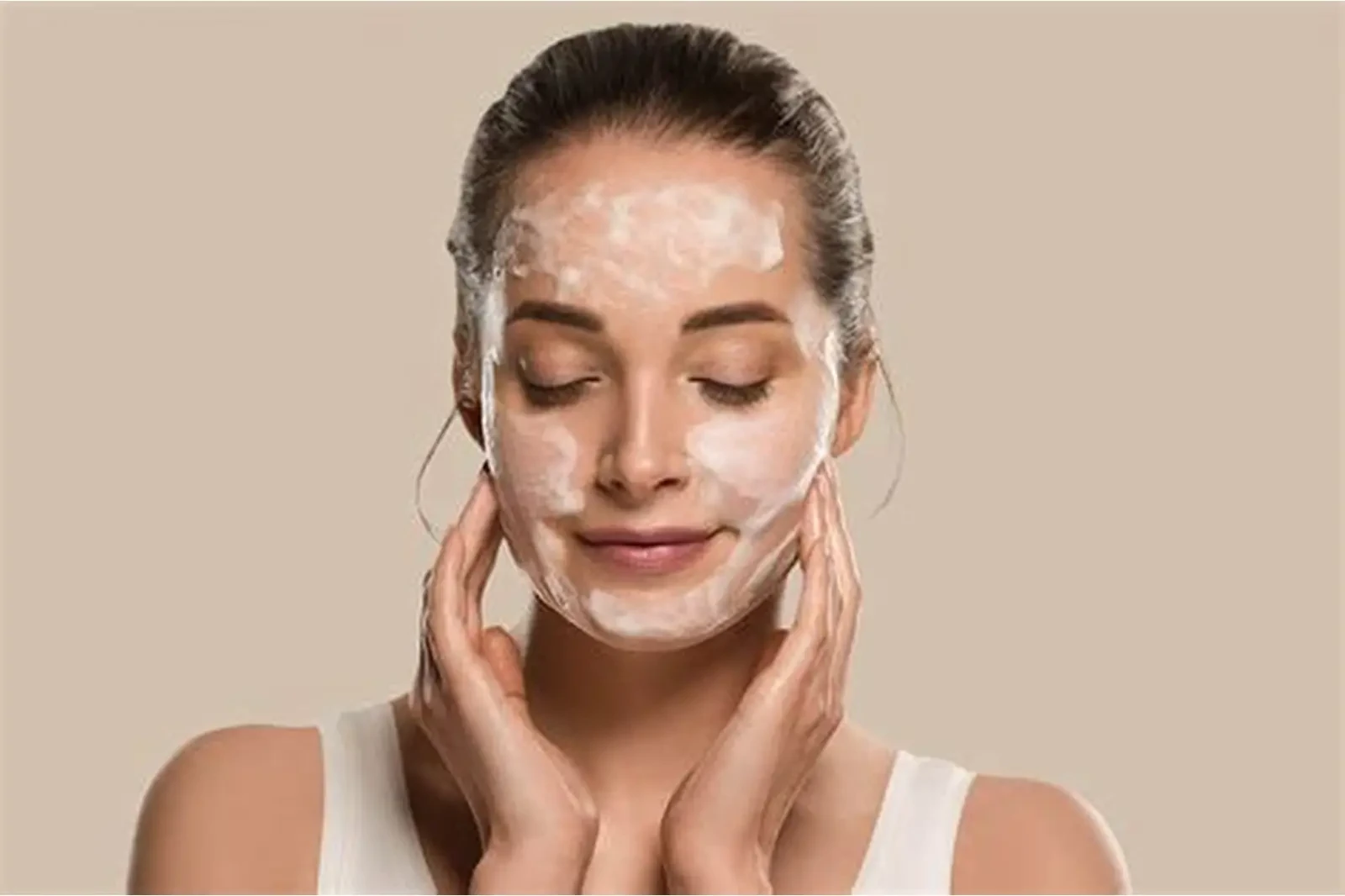
Proper technique makes all the difference when using skin discoloration soap. Start by wetting your face with lukewarm water – hot water can irritate skin and potentially worsen pigmentation. Create a rich lather in your palms before applying to your face. Gentle circular motions work best for application. Focus on problem areas but avoid aggressive scrubbing, which can cause inflammation and potentially darken existing spots. Allow the lather to remain on your skin for 30-60 seconds before rinsing thoroughly.
Beginners should start with once-daily use, preferably in the evening. Skin clarifying soap can increase photosensitivity, making nighttime application safer. As your skin builds tolerance, you may gradually increase to twice daily if needed. Consistency trumps intensity when it comes to pigmentation reduction soap. Regular, gentle use over several weeks produces better results than aggressive daily application that irritates the skin.
While pigmentation soap forms the foundation of your routine, supporting practices amplify results. Daily sunscreen use is non-negotiable – even the most effective brightening ingredients won't help if you're continuously creating new pigmentation. Hydration plays a crucial role in skin health and healing. Well-moisturized skin responds better to active ingredients and heals more efficiently. Choose moisturizers with ingredients like hyaluronic acid or ceramides that support the skin barrier.
Your diet influences skin health more than you might realize. Antioxidant-rich foods like berries, leafy greens, and green tea provide internal support for your external efforts. These nutrients help combat the oxidative stress that contributes to pigmentation. Sleep quality affects skin regeneration. During deep sleep, your skin repairs daily damage and produces new cells. Aim for 7-9 hours of quality sleep to support your brightening efforts.
Understanding the timeline for results helps maintain motivation during your brightening journey. Most people notice subtle improvements after 4-6 weeks of consistent use, with more dramatic changes appearing after 8-12 weeks. Skin cell turnover occurs approximately every 28 days, which explains why patience is essential. Each cycle brings you closer to revealing the brighter, more even-toned skin underneath. Factors like age, skin type, and severity of pigmentation all influence how quickly you'll see changes.
The best soap depends on your specific skin type and pigmentation concerns. Kojic acid-based soaps work well for general dark spots, while glutathione soaps excel for overall brightening. Those with sensitive skin should start with gentler formulations containing arbutin or vitamin C.
Visible improvements typically begin after 4-6 weeks of consistent use. However, complete pigmentation reduction can take 3-6 months, depending on the depth and age of the spots. Newer, surface-level pigmentation responds faster than deep, established marks.
Most pigmentation soaps can be used on various skin types, but concentration and frequency should be adjusted accordingly. Sensitive skin requires gentler formulations and less frequent use, while oily skin can typically handle stronger ingredients.
Natural options include turmeric-based soaps, papaya enzyme soaps, and rice bran formulations. While gentler, these alternatives typically work more slowly than their chemical counterparts and may require longer consistent use to see results.
Many pigmentation soaps can help with post-acne marks, but avoid using them on active breakouts or inflamed skin. Wait until active acne heals before introducing brightening ingredients to prevent further irritation.
Yes, but introduce products gradually to avoid irritation. Avoid combining with other strong actives like retinoids or high-concentration acids initially. Always use sunscreen during the day when using any brightening products.
Successful pigmentation treatment requires patience, consistency, and realistic expectations. The right soap can significantly improve your skin's appearance when used correctly and consistently. Remember that everyone's skin responds differently, so what works for others might need adjustment for your unique needs. Most importantly, always prioritize gentle, consistent care over aggressive treatments that might worsen pigmentation. With the right approach and realistic expectations, brighter, more even-toned skin is absolutely achievable.
