

How to Use Pigmentation Face Serum for Brighter Skin
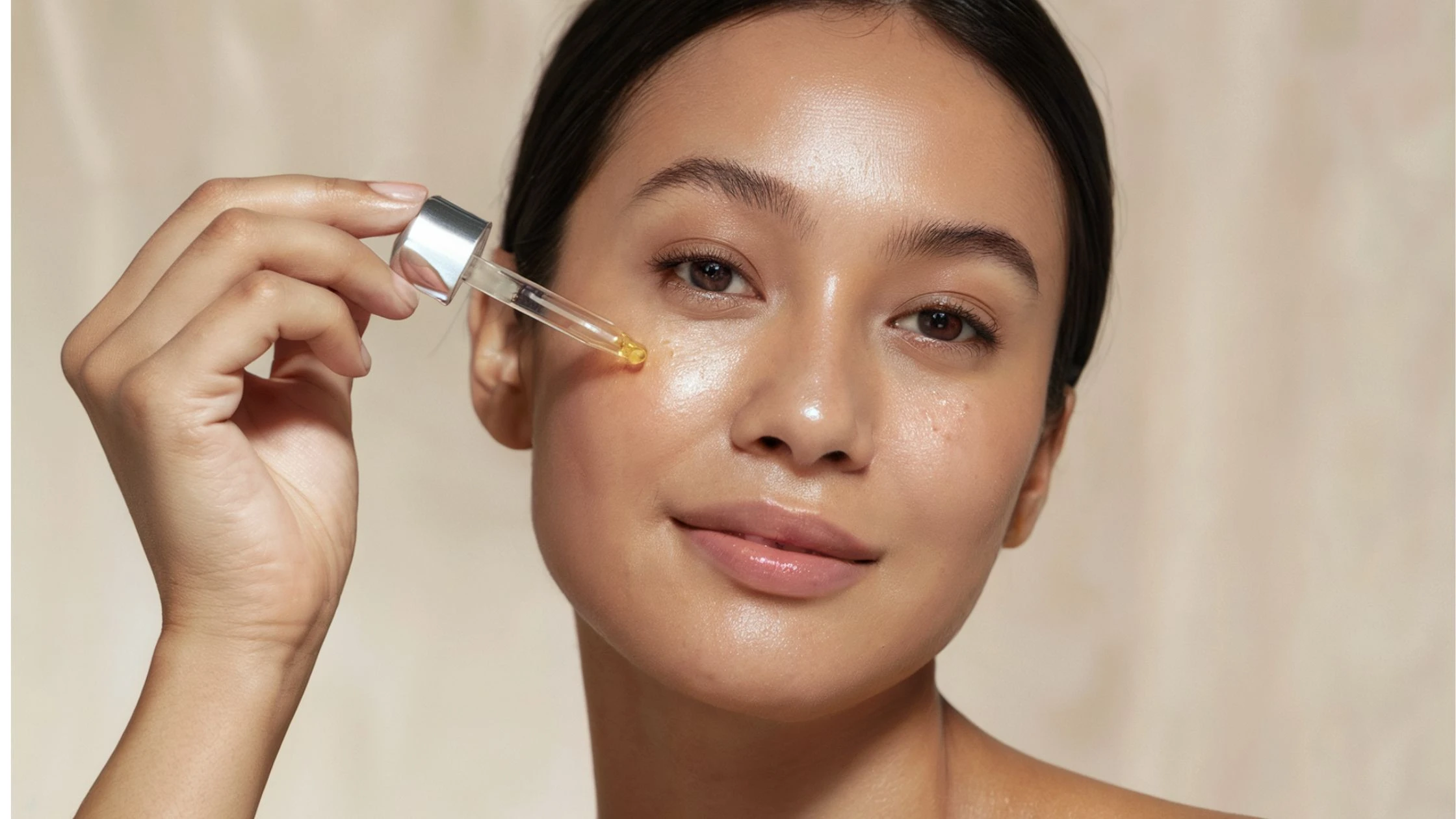
Dealing with uneven skin tone and dark spots can feel overwhelming, but the right pigmentation face serum can transform your complexion. These targeted treatments work deep within your skin to address discoloration at its source. Whether you're battling sun damage, melasma, or post-inflammatory marks, understanding how to properly use a face brightening serum makes all the difference. The key lies in consistency, proper application, and choosing the right formula for your unique skin needs.
Skin pigmentation occurs when melanin, your skin's natural pigment, becomes unevenly distributed or overproduced. This creates those frustrating dark patches that can make your complexion appear blotchy and aged. Sun exposure ranks as the primary culprit behind most pigmentation issues. UV rays trigger melanin production as your skin's defense mechanism, leading to sunspots and general darkening. Hormonal changes, particularly during pregnancy or while taking birth control, can cause melasma - those stubborn brown patches that appear on your cheeks and forehead. Inflammation from acne, cuts, or other skin injuries often leaves behind dark marks called post-inflammatory hyperpigmentation. Age spots develop over time as cumulative sun damage becomes visible. Even certain medications and medical conditions can contribute to uneven skin tone.
A pigmentation face serum delivers concentrated active ingredients directly to problem areas. Unlike heavy creams, serums have smaller molecules that penetrate deeper into your skin layers where pigmentation forms. Effective skin discoloration treatment serums contain ingredients like vitamin C, which brightens skin and prevents new dark spots from forming. Niacinamide helps reduce existing pigmentation while strengthening your skin barrier. Alpha hydroxy acids gently exfoliate to reveal brighter skin underneath. Retinol accelerates cell turnover, helping fade dark spots faster. Kojic acid and arbutin work by inhibiting tyrosinase, the enzyme responsible for melanin production. These ingredients work together to create a powerful hyperpigmentation correcting serum that addresses multiple causes of uneven skin tone.
Your skin type determines which dark spot correcting serum will work best for you. Sensitive skin benefits from gentler ingredients like vitamin C and niacinamide, while resilient skin can handle stronger actives like retinol and chemical exfoliants. Consider your specific pigmentation concerns when selecting an uneven skin tone serum. Fresh acne marks respond well to niacinamide and alpha hydroxy acids. Stubborn melasma often requires a combination approach with multiple brightening ingredients. ### Active Ingredient Considerations Beginners should start with lower concentrations and gradually increase strength. Look for serums that combine multiple brightening agents for comprehensive results. Always check the ingredient list for potential irritants if you have sensitive skin. ### Packaging and Stability Choose serums in dark bottles or opaque containers, as many brightening ingredients degrade when exposed to light. Pump bottles or droppers help maintain product integrity better than jars.
Proper application maximizes your pigmentation reducing serum effectiveness. Start with clean hands and a freshly cleansed face to ensure optimal absorption. Begin by removing all makeup and sunscreen with a gentle cleanser. Pat your skin dry with a clean towel, leaving it slightly damp to help with serum absorption. ### Application Technique Dispense 2-3 drops of your skin lightening facial serum onto your fingertips. Gently pat the serum onto problem areas first, then spread any remaining product across your entire face. Avoid the delicate eye area unless your serum is specifically formulated for that region. Wait 10-15 minutes before applying your next skincare product. This allows the serum to fully absorb and prevents dilution of the active ingredients. ### Layering Products Apply your serum after cleansing but before heavier products like moisturizers. If using multiple serums, apply the thinnest consistency first. Always finish with sunscreen during the day, as many brightening ingredients can increase sun sensitivity.
Consistency trumps everything when using a melasma treatment serum. Apply your serum twice daily, morning and evening, without skipping days. Results typically appear after 4-6 weeks of regular use. Start slowly with potent ingredients to avoid irritation. Use your serum every other day initially, then gradually increase to daily use as your skin adjusts. Some ingredients work better at night, while others provide antioxidant benefits during the day. ### Complementary Practices Gentle exfoliation once or twice weekly helps remove dead skin cells and improves serum penetration. Stay hydrated and eat antioxidant-rich foods to support your skin from within. Manage stress levels, as chronic stress can worsen pigmentation issues. Protect your investment with broad-spectrum sunscreen every day, even when indoors. UV exposure can undo months of progress and create new dark spots.
Using too much product wastes serum and can irritate your skin. A few drops cover your entire face effectively. More isn't better with concentrated age spots serum formulations. Skipping sunscreen negates your serum's benefits and allows new pigmentation to form. Even on cloudy days, UV rays penetrate and trigger melanin production. ### Ingredient Interactions Avoid mixing certain ingredients that can cause irritation or reduce effectiveness. Don't use retinol and alpha hydroxy acids simultaneously without proper guidance. Research ingredient combinations or consult a skincare professional. ### Unrealistic Expectations Pigmentation took time to develop and needs time to fade. Don't expect overnight miracles from your complexion perfecting serum. Consistent use over months delivers the best results.
The best pigmentation serum depends on your skin type and specific concerns. Look for serums containing proven ingredients like vitamin C, niacinamide, or retinol. Combination formulas often provide more comprehensive results than single-ingredient products.
Complete pigmentation removal in 7 days isn't realistic or safe. Dramatic changes in such a short time could indicate harsh chemicals that damage your skin. Healthy pigmentation fading takes 4-12 weeks with consistent proper treatment.
Yes, most pigmentation serums work well on oily skin. Look for lightweight, non-comedogenic formulas that won't clog pores. Niacinamide-based serums offer the added benefit of controlling excess oil production.
While serums can significantly fade pigmentation, permanent removal isn't guaranteed. Consistent use of quality brightening serums, combined with strict sun protection, provides the best long-term results. Some deeper pigmentation may require professional treatments.
Transforming your skin with a pigmentation face serum requires patience and consistency. Choose quality products with proven ingredients, apply them correctly, and protect your progress with daily sunscreen. Remember that everyone's skin responds differently, so what works for others might need adjustment for your unique needs. Stay committed to your routine, and you'll gradually see your complexion become brighter, more even, and beautifully radiant.
