


How to Treat Skin Pigmentation: Causes & Solutions
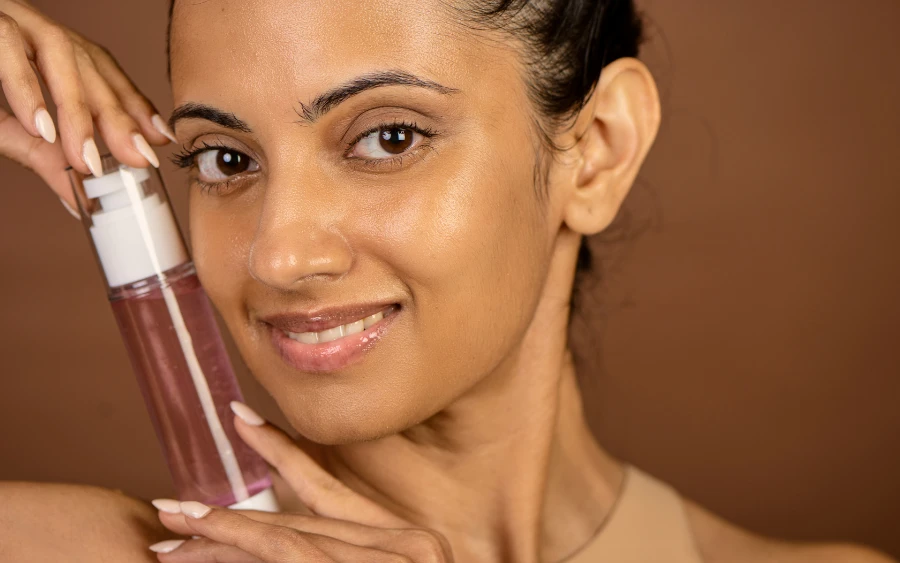
Dealing with skin pigmentation can feel overwhelming, especially when dark spots and uneven patches seem to appear out of nowhere. Whether you're struggling with stubborn melasma, age spots, or post-acne marks, understanding how to treat these concerns effectively is the first step toward clearer, more radiant skin. The good news is that with the right approach and consistent care, most pigmentation issues can be significantly improved or even eliminated entirely.
Before diving into treatment options, it's crucial to understand what causes skin discoloration in the first place. This knowledge helps you choose the most effective approach for your specific concerns. Pigmentation issues rarely have just one cause, which is why a comprehensive treatment strategy often works best.
Skin pigmentation occurs when melanocytes (pigment-producing cells) create excess melanin in certain areas of your skin. This process can be triggered by various factors, leading to darker patches that contrast with your natural skin tone. Understanding this mechanism is key to selecting the right hyperpigmentation treatment.
Different types of pigmentation require different treatment approaches. Melasma typically appears as symmetrical brown patches on the face, often triggered by hormonal changes. Post-inflammatory hyperpigmentation develops after skin trauma like acne or cuts. Age spots and sunspots result from cumulative sun exposure over time, while general uneven skin tone can stem from multiple factors working together.
The main culprits behind pigmentation include UV exposure, which remains the leading cause of most dark spots. Hormonal fluctuations during pregnancy or from birth control can trigger melasma. Skin inflammation from acne, eczema, or injuries often leaves behind dark marks. Genetics also play a role, as some people are naturally more prone to developing pigmentation issues.
When dealing with stubborn pigmentation, professional treatments often deliver the most dramatic and lasting results. These procedures work by either removing pigmented skin layers or disrupting melanin production at deeper levels. Most people see significant improvement within a few months of starting professional treatment.
Chemical peels use acids to remove damaged skin layers, revealing fresher skin underneath. Glycolic acid peels work well for surface-level pigmentation, while deeper TCA peels can address more stubborn spots. Most people need 3-6 treatments spaced several weeks apart for optimal dark spots removal.
Laser treatments target pigment directly, breaking it down so your body can naturally eliminate it. Q-switched lasers work particularly well for age spots, while newer pico lasers can handle even the most resistant pigmentation. IPL therapy offers a gentler option that's suitable for larger treatment areas.
Microdermabrasion gently removes dead skin cells, helping other treatments penetrate better. Microneedling creates tiny channels in the skin, allowing skin brightening serums to reach deeper layers. Professional dermaplaning removes the top layer of dead skin and fine hair, instantly improving skin texture and radiance.
Topical treatments form the foundation of most pigmentation routines because they're accessible, cost-effective, and can be used consistently at home. The key is choosing the right active ingredients and using them correctly. Many people see noticeable improvements within 6-12 weeks of consistent use.
Several ingredients have strong scientific backing for treating pigmentation. Hydroquinone remains the gold standard for melanin suppression, while vitamin C provides both brightening and protective benefits. Retinoids accelerate cell turnover, helping fade existing spots faster. Kojic acid, azelaic acid, and niacinamide offer gentler alternatives that work well for sensitive skin.
Morning routines should focus on protection and brightening with vitamin C serums followed by broad-spectrum sunscreen. Evening routines can include stronger actives like retinoids or hydroquinone. Proper layering is crucial - apply thinnest to thickest consistency, and always wait between layers for better absorption.
Over-the-counter products work well for mild to moderate pigmentation, while prescription treatments are often necessary for stubborn cases. Dermatologists can prescribe higher concentrations of active ingredients or combination formulas that aren't available commercially. They can also monitor your progress and adjust treatments as needed.
While professional and clinical treatments often provide faster results, natural remedies for pigmentation can be valuable additions to your routine. These gentler approaches work well for mild pigmentation or as supportive treatments alongside stronger interventions. However, it's important to have realistic expectations about what natural ingredients can achieve.
Some natural ingredients have legitimate brightening properties. Raw milk contains lactic acid, which gently exfoliates and can help fade dark spots over time. Aloe vera has anti-inflammatory properties that can prevent post-inflammatory hyperpigmentation. Turmeric contains curcumin, which may help inhibit melanin production when used consistently.
When trying natural remedies, consistency is key. Apply treatments 2-3 times per week initially, then adjust based on your skin's response. Always patch test new ingredients first, and remember that natural doesn't always mean gentle. Some people may experience irritation even from natural ingredients.
Natural remedies work best for very mild pigmentation or as preventive measures. For moderate to severe pigmentation, they're unlikely to provide dramatic results on their own. Consider them as supportive treatments rather than primary solutions, especially for conditions like deep melasma or extensive sun damage.
Preventing new pigmentation is just as important as treating existing spots. Once you've invested time and effort into clearing your skin, protecting those results becomes a priority. The good news is that prevention strategies are relatively simple and can easily become part of your daily routine.
Daily sunscreen use is non-negotiable when learning how to treat skin pigmentation effectively. Choose broad-spectrum SPF 30 or higher and reapply every two hours when outdoors. Physical sunscreens with zinc oxide or titanium dioxide often work better for sensitive or recently treated skin.
Your overall health impacts your skin's ability to repair and protect itself. Eating antioxidant-rich foods supports your skin's natural defense systems. Managing stress helps prevent hormonal fluctuations that can trigger melasma. Getting adequate sleep allows your skin to repair and regenerate properly.
Many people unknowingly sabotage their pigmentation treatments by picking at their skin or over-exfoliating. These habits can cause inflammation, leading to more dark spots. Be gentle with your skin, especially during treatment periods when it may be more sensitive than usual.
Understanding realistic timelines helps you stay motivated and avoid switching treatments too quickly. Most pigmentation treatments require patience, as skin cells need time to turnover and reveal improvements. Setting proper expectations from the start leads to better treatment adherence and ultimately better results.
Topical treatments typically show initial results around 6-8 weeks, with significant improvement by 12-16 weeks. Chemical peels may show results after the first treatment, but optimal results usually require 3-4 sessions. Laser treatments often need multiple sessions over 3-6 months for complete sunspots removal or age spots treatment.
Take photos in consistent lighting to track your progress objectively. If you don't see improvement after the expected timeframe, it may be time to adjust your approach or add additional treatments. Sometimes combining different methods works better than relying on a single treatment.
Once you achieve your desired results, maintaining them requires ongoing care. Continue using gentler versions of your treatment products and never skip sun protection. Many people benefit from occasional maintenance treatments to keep their skin looking its best.
Professional laser treatments typically provide the fastest results, often showing improvement within 2-4 weeks. However, the best approach depends on your specific type of pigmentation and skin sensitivity.
The best treatment varies by individual, but combination approaches often work most effectively. This might include professional treatments paired with consistent at-home care using proven ingredients like vitamin C, retinoids, or hydroquinone.
While many pigmentation issues can be significantly improved or eliminated, "permanent" results require ongoing maintenance and sun protection. Most people need periodic touch-up treatments and consistent skincare routines.
Many types of pigmentation can be completely cleared with proper treatment. Surface-level spots respond better than deeper pigmentation. Age spots and post-inflammatory hyperpigmentation often clear completely, while melasma may require ongoing management.
Most people see initial improvements within 6-8 weeks of starting treatment, with significant results by 12-16 weeks. Professional treatments may show faster results, but consistency is key regardless of the method chosen.
Many at-home treatments are safe when used correctly, but it's important to start slowly and patch test new products. For severe pigmentation or if you have sensitive skin, consulting a dermatologist first is recommended.
Learning how to treat skin pigmentation effectively requires understanding your specific type of pigmentation and choosing appropriate treatments. Whether you opt for professional procedures, topical treatments, or natural remedies, consistency and patience are essential for success. Remember that prevention through daily sun protection is just as important as treatment, and most people achieve the best results through combination approaches rather than relying on a single method. With the right strategy and realistic expectations, clearer, more even-toned skin is absolutely achievable.
