


How to Choose the Perfect Mineral Sunscreen
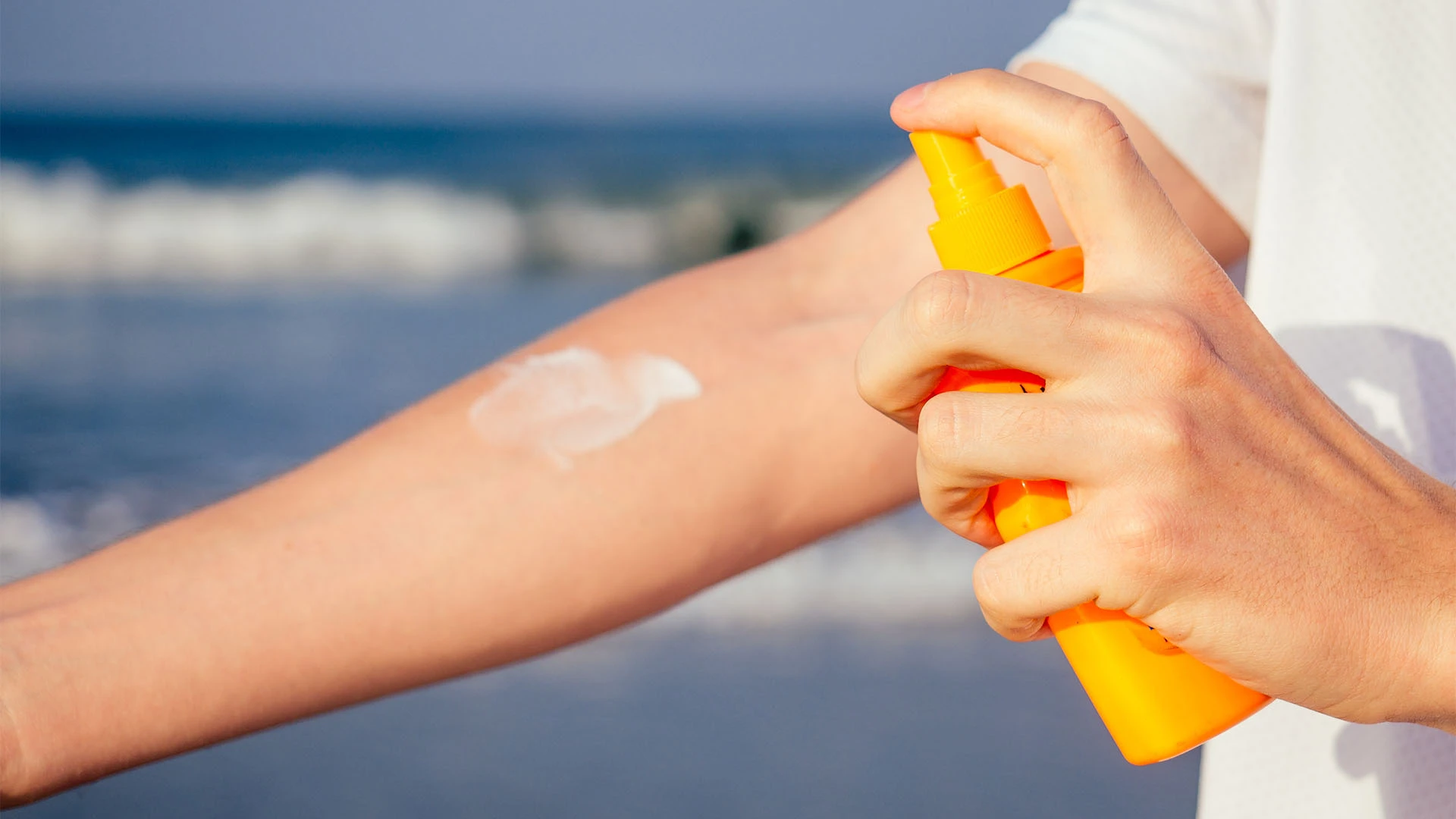
Finding the right sun protection can feel overwhelming, especially when you have sensitive skin that reacts to many products. You want something that protects without causing redness, breakouts, or irritation. The good news is that mineral sunscreen for sensitive skin offers a gentle yet effective solution. Unlike chemical sunscreens that can trigger reactions, mineral formulas work as a physical barrier on your skin's surface. They start protecting immediately and rarely cause the stinging or burning that sensitive skin types often experience. Let's explore how to choose the perfect mineral sunscreen that keeps your skin happy and protected.
Mineral sunscreens create a protective shield on your skin's surface rather than absorbing into it. This makes them the best mineral sunscreen choice for people with reactive skin. The active ingredients sit on top of your skin and reflect harmful UV rays away from your face and body. Chemical sunscreens work differently. They absorb UV radiation and convert it to heat, which can irritate sensitive skin. Many people experience stinging, redness, or allergic reactions from chemical filters like oxybenzone or avobenzone. Mineral formulas avoid these issues entirely.
One major advantage of mineral sunscreen is instant protection. You don't need to wait 15-30 minutes before sun exposure like you do with chemical formulas. This makes them perfect for quick touch-ups throughout the day.
Skin doctors consistently recommend mineral sunscreens for their patients with sensitive skin conditions. These formulas are less likely to cause contact dermatitis or worsen existing skin issues like rosacea or eczema.
Two main ingredients power mineral sunscreens: zinc oxide and titanium dioxide. Understanding these helps you choose the right formula for your needs. Both are considered safe and effective by dermatologists worldwide.
Zinc oxide sunscreen provides the broadest spectrum protection available. It blocks both UVA and UVB rays effectively, including the longest UVA rays that can penetrate deep into skin. Zinc oxide also has natural anti-inflammatory properties that can soothe irritated skin. This ingredient works well for all skin types, including very sensitive skin. It's often the preferred choice for people with conditions like melasma or post-inflammatory hyperpigmentation.
Titanium dioxide sunscreen offers excellent UVB protection and some UVA coverage. It tends to be slightly gentler than zinc oxide, making it ideal for extremely sensitive skin. However, it may not provide as comprehensive protection against longer UVA rays. Many formulas combine both ingredients to maximize protection while maintaining gentleness.
When shopping for sunscreen for sensitive skin, certain features make a significant difference in how well your skin tolerates the product. Look for these key characteristics to ensure comfort and effectiveness.
Hypoallergenic sunscreen formulas undergo testing to minimize allergic reactions. They typically avoid common irritants like fragrances, dyes, and certain preservatives. However, remember that "hypoallergenic" isn't regulated, so always check ingredient lists.
Non-comedogenic sunscreen won't clog your pores or contribute to breakouts. This is especially important if you have acne-prone sensitive skin. Look for this label on products to avoid pore-blocking ingredients.
Reef safe sunscreen protects both your skin and marine environments. These formulas avoid ingredients like oxybenzone and octinoxate that can harm coral reefs. Mineral sunscreens are naturally reef-friendly choices.
Facial skin requires special consideration when selecting sun protection for face products. Your face is more exposed to daily environmental stressors and often more sensitive than body skin.
Many people worry about the white residue that some mineral sunscreens leave behind. Modern formulations use micronized particles that blend more easily into skin. Tinted versions can also help match your skin tone while providing coverage.
Choose textures that work with your skin type and lifestyle. Gentle sunscreen formulas come in various consistencies: • Lightweight gels for oily or combination skin • Creamy lotions for dry or mature skin • Stick formulas for easy reapplication • Tinted options that double as light coverage
If you wear makeup, look for sunscreens that work well as a base. Some formulas are specifically designed to prime skin for foundation application. Allow the sunscreen to set for a few minutes before applying makeup for best results.
Even the best natural sunscreen won't protect you properly if applied incorrectly. Follow these guidelines to ensure effective coverage without irritation. Use about 1/4 teaspoon of sunscreen for your face and neck. This might seem like a lot, but it's necessary for the SPF rating to be accurate. Apply in gentle, upward strokes rather than rubbing vigorously.
While mineral sunscreens work immediately, applying them 15 minutes before sun exposure allows time for even distribution. Reapply every two hours, or more frequently if swimming or sweating.
Avoid these errors that can reduce protection: • Using too little product • Missing areas like ears, hairline, and neck • Not reapplying frequently enough • Applying over dirty or oily skin • Using expired products
Yes, mineral sunscreens are generally better tolerated by sensitive skin. They sit on the skin's surface rather than absorbing into it, reducing the risk of irritation and allergic reactions.
Absolutely. Daily use of mineral sunscreen is safe and recommended for long-term skin health. These gentle formulas are designed for regular use without causing irritation.
SPF 30-50 provides excellent protection for daily use. Higher SPFs may contain more active ingredients that could potentially irritate very sensitive skin types.
Choose tinted formulas, apply in thin layers, blend thoroughly, or select newer micronized formulations that reduce visible residue. Allow time for the product to settle into your skin.
Mineral sunscreens are less likely to cause breakouts than chemical formulas, especially when labeled non-comedogenic. However, any product can potentially clog pores if not removed properly at night.
Yes, mineral sunscreens are generally safe for the delicate eye area. Look for ophthalmologist-tested formulas for extra assurance, especially if you have very sensitive eyes.
Choosing the right mineral sunscreen for sensitive skin doesn't have to be complicated. Focus on zinc oxide or titanium dioxide as active ingredients, and look for hypoallergenic, non-comedogenic formulas. Consider your skin tone, texture preferences, and daily routine when making your selection. Remember that proper application is just as important as choosing the right product. With the right mineral sunscreen, you can enjoy effective sun protection without compromising your skin's comfort or health.
