


How to Choose the Perfect Gentle Cleanser
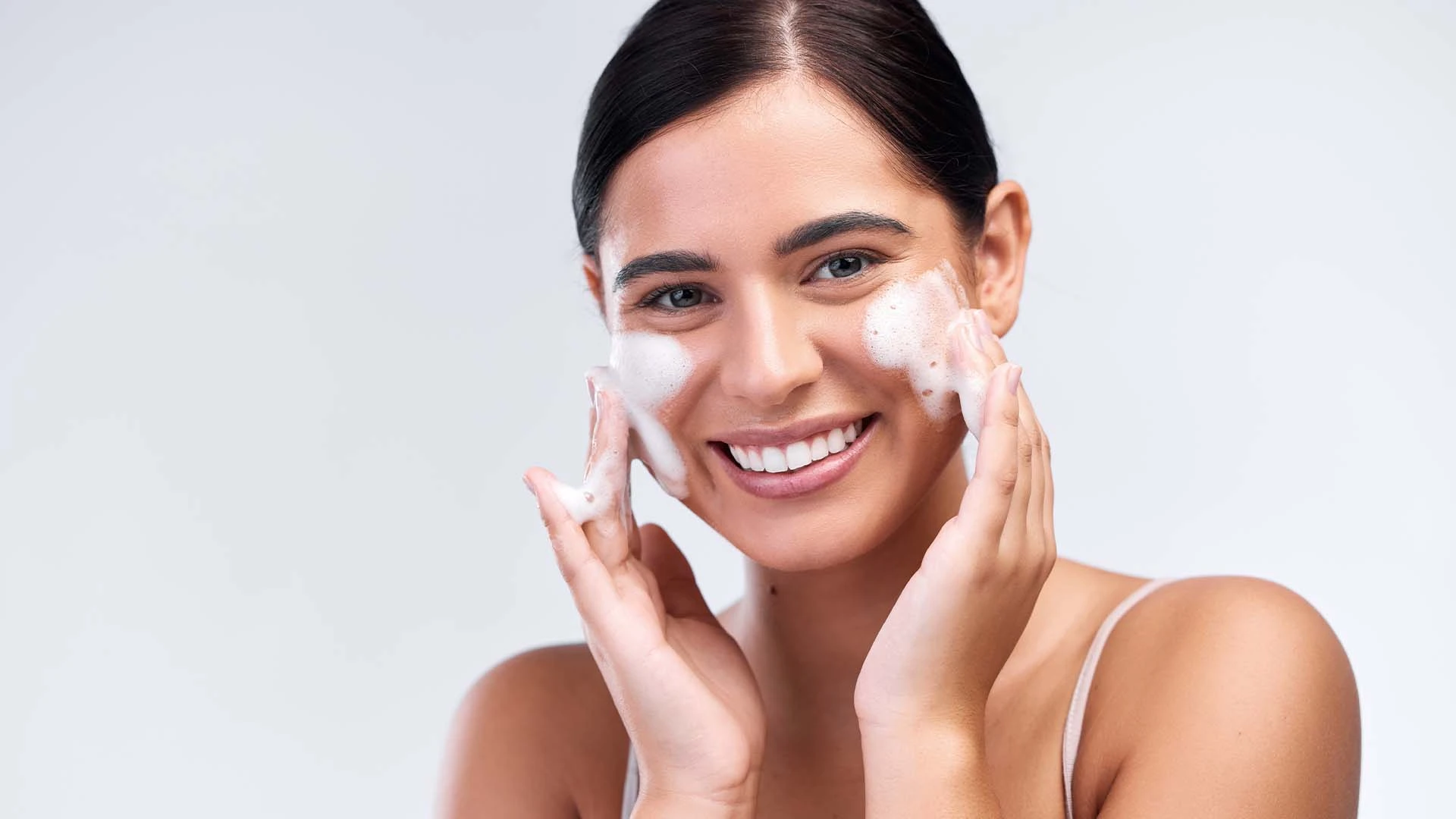
Finding the right cleanser for sensitive skin can feel like walking through a minefield. Your face tingles, turns red, or breaks out after trying yet another product that promised to be gentle. You're not alone in this struggle. Sensitive skin affects millions of people, and choosing the wrong cleanser can set off a cascade of irritation that takes days to calm down. The good news? Once you understand what makes a cleanser truly gentle and how to spot the ingredients that work with your skin rather than against it, you'll be able to make informed choices that keep your skin happy and healthy.
Sensitive skin isn't just about having delicate skin that reacts to everything. It's a legitimate skin condition where your skin barrier is compromised, making it more vulnerable to irritants, allergens, and environmental stressors. When you have sensitive skin, your nerve endings sit closer to the surface, which means you feel sensations more intensely. The signs that you need a gentle face wash are pretty clear. Your skin stings or burns when you apply products. You notice redness that doesn't fade quickly. Your skin feels tight and uncomfortable after cleansing. Sometimes you might even see small bumps or patches of irritation that seem to appear out of nowhere. Harsh cleansers strip away your skin's natural protective oils and disrupt the delicate pH balance that keeps harmful bacteria at bay. When this happens, your skin becomes even more reactive and prone to inflammation. A good sensitive skin cleanser works differently. It removes dirt, oil, and makeup without compromising your skin's natural defenses.
Your skin has a natural pH of around 5.5, which is slightly acidic. This acidic environment helps maintain healthy bacteria and keeps your skin barrier strong. When you use alkaline cleansers, you temporarily raise your skin's pH, which can trigger irritation and make your skin more susceptible to problems.
Gentle cleansing is the foundation of barrier repair. When you consistently use products that respect your skin's natural balance, you give it the chance to heal and strengthen over time. This means fewer reactions, less redness, and skin that can better handle environmental stressors.
Not all gentle cleansers are created equal. The difference lies in the ingredients. When you're shopping for a mild facial cleanser, look for formulations that include skin-loving ingredients that actually benefit your skin while they clean. Ceramides are absolute powerhouses for sensitive skin. These naturally occurring lipids help restore and maintain your skin barrier. When your cleanser contains ceramides, you're not just removing impurities – you're actively helping your skin repair itself. Niacinamide is another superstar ingredient that reduces inflammation and helps regulate oil production without irritation.
Glycerin draws moisture from the environment and helps your skin retain hydration. A non-irritating cleanser with glycerin leaves your skin feeling soft rather than tight and stripped. Panthenol, also known as Pro-Vitamin B5, has anti-inflammatory properties that soothe irritated skin while you cleanse.
The cleansing agents in your product matter just as much as the beneficial ingredients. Sodium cocoyl isethionate is derived from coconut and provides effective cleansing without harshness. Cocamidopropyl betaine is another mild surfactant that creates a gentle lather. Decyl glucoside comes from corn and coconut and is one of the mildest cleansing agents available.
Knowing what to avoid is just as important as knowing what to look for. Some ingredients that work fine for normal skin can be disaster for sensitive skin types. Sulfates like sodium lauryl sulfate (SLS) and sodium laureth sulfate (SLES) are common culprits that create rich, foamy lathers but can strip your skin and cause irritation. Fragrances and essential oils might smell lovely, but they're among the most common allergens in skincare products. Even natural fragrances can trigger reactions in sensitive skin. A truly hypoallergenic face wash will be completely fragrance-free, including essential oils that many people assume are gentler alternatives.
Alcohol-based formulations can be extremely drying and irritating. While some fatty alcohols like cetyl alcohol are actually beneficial, avoid products with denatured alcohol or ethanol listed high in the ingredients. Some preservatives like methylisothiazolinone and formaldehyde-releasing agents can also trigger contact dermatitis in sensitive individuals.
While exfoliation can be beneficial, harsh physical scrubs or high concentrations of chemical exfoliants don't belong in a gentle cleanser. Save exfoliation for separate products that you can control and use sparingly.
Different cleanser formulations work better for different skin types and concerns. Understanding the options helps you choose the right soothing cleanser for your specific needs. Cream cleansers are typically the gentlest option for very dry or flaky sensitive skin. They contain moisturizing ingredients that prevent that tight, stripped feeling. These cleansers often don't foam much, which can take some getting used to, but they're incredibly effective at removing makeup and daily grime without irritation.
Gel cleansers can work well for sensitive skin that's also oily or combination. Look for gel formulas that are specifically designed for sensitive skin and avoid anything that promises deep cleansing or oil control, as these tend to be too harsh. A good calming skin cleanser in gel form will clean effectively without leaving your skin feeling tight.
Oil cleansers might seem counterintuitive, but they can be excellent for sensitive skin. They dissolve makeup and sunscreen without rubbing or tugging, and many people find them less irritating than water-based cleansers. The key is choosing oils that are non-comedogenic and well-suited to sensitive skin.
If you have rosacea or extremely reactive skin, you need to be even more careful with your cleanser choice. The best cleanser for rosacea will be specifically formulated to reduce redness and inflammation while providing gentle cleansing. Look for products that contain anti-inflammatory ingredients like allantoin, colloidal oatmeal, or green tea extract. These ingredients actively work to calm irritation while you cleanse. Avoid anything with menthol, peppermint, or other cooling agents that might feel soothing initially but can actually increase sensitivity over time.
Even the gentlest redness relief cleanser won't help if you're using it incorrectly. Use lukewarm water rather than hot water, which can exacerbate redness and irritation. Apply the cleanser with gentle, circular motions using your fingertips rather than a washcloth or cleansing brush.
Once you've found your perfect gentle cleanser, using it correctly maximizes its benefits. Start by removing any makeup with a separate makeup remover or cleansing oil if needed. Then apply your cleanser to damp skin and massage gently for about 30 seconds before rinsing thoroughly. Pat your skin dry with a clean, soft towel rather than rubbing. Follow immediately with a gentle moisturizer while your skin is still slightly damp to lock in hydration. This simple routine, done consistently, can make a dramatic difference in how your sensitive skin looks and feels.
Most people with sensitive skin do best cleansing twice daily, but pay attention to how your skin responds. If morning cleansing seems to irritate your skin, try just rinsing with water in the morning and cleansing only at night. Your skin will tell you what it needs if you listen carefully.
A gentle cleanser has a pH close to your skin's natural pH, contains mild surfactants instead of harsh sulfates, and includes soothing ingredients rather than potential irritants like fragrances or essential oils.
Yes, most people with sensitive skin benefit from using the same gentle cleanser twice daily. However, if you wear heavy makeup or sunscreen, you might need a more thorough cleansing routine in the evening.
Give a new cleanser at least two weeks of consistent use before making a judgment. Some initial adjustment is normal, but persistent irritation, redness, or breakouts are signs the product isn't right for your skin.
Not necessarily. Natural doesn't automatically mean gentle. Many natural ingredients like essential oils or fruit acids can be quite irritating to sensitive skin. Focus on the specific ingredients rather than whether the product is labeled as natural.
Choosing the perfect gentle cleanser for sensitive skin requires patience and attention to ingredients rather than marketing claims. Focus on products with mild surfactants, beneficial ingredients like ceramides and niacinamide, and avoid common irritants like sulfates and fragrances. Remember that the most expensive product isn't necessarily the best for your skin, and sometimes the simplest formulations work the most effectively. With the right cleanser and proper technique, you can maintain clean, healthy skin without the irritation and redness that have frustrated you in the past.
