

How to Build a Natural Skincare Routine Step-by
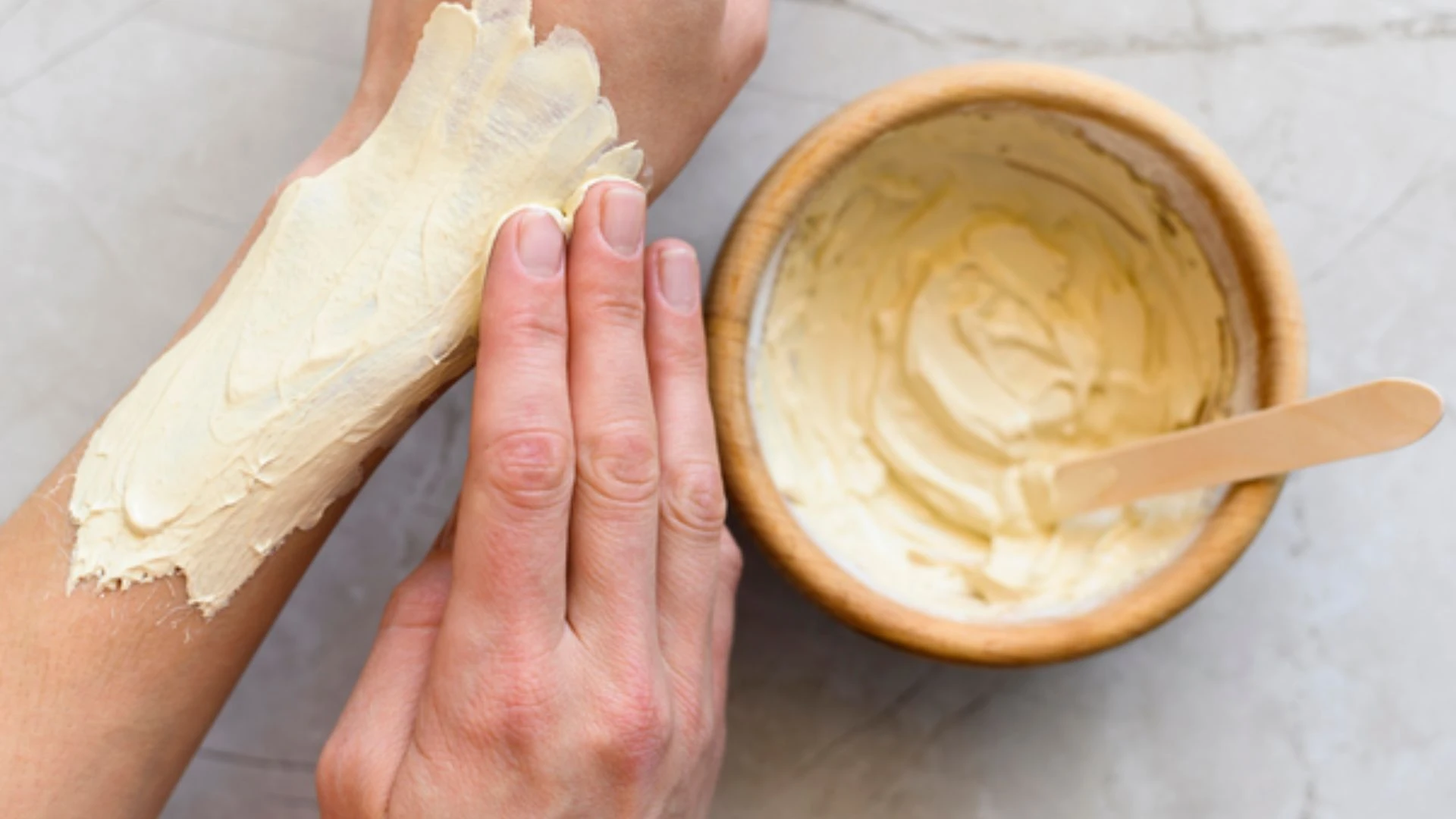
Creating a natural skincare routine doesn't have to feel overwhelming. Many people struggle with finding the best natural skin care products that actually work for their unique needs. The truth is, your skin thrives when you feed it with gentle, plant-based ingredients that work in harmony with your body's natural processes. Whether you're dealing with sensitivity, dryness, or signs of aging, building a routine with organic skincare products can transform your complexion while keeping harsh chemicals at bay. Let's walk through each step together, so you can create a personalized routine that makes your skin glow from within.
Clean beauty goes beyond just avoiding a few questionable ingredients. It's about choosing products that support your skin's natural barrier and long-term health. The difference between natural and organic skincare lies in certification and sourcing - organic products must meet strict standards for how ingredients are grown and processed.
Plant based skincare works with your skin's biology rather than against it. These formulations often contain fewer irritating ingredients and more nourishing compounds like vitamins, antioxidants, and essential fatty acids. When you choose non toxic skincare, you're avoiding synthetic fragrances, parabens, sulfates, and other potentially harmful chemicals that can disrupt your skin's natural balance.
Your cleansing routine sets the stage for everything else in your skin care routine. Morning cleansing should be gentle since your skin has been repairing itself overnight. A simple water-based cleanser with natural ingredients like chamomile or green tea works beautifully.
Evening cleansing requires more attention, especially if you wear makeup or sunscreen. The double cleanse method starts with an oil-based cleanser to dissolve makeup and sunscreen, followed by a gentle water-based cleanser to remove any remaining impurities.
For sensitive skin care, look for cleansers with oat-based ingredients or chamomile. These gentle botanicals soothe irritation while effectively cleaning your skin. Honey-based cleansers also work wonderfully for sensitive or dry skin types.
Oily skin benefits from tea tree oil or clay-based natural cleansers that help balance oil production without stripping your skin. Those with dry skin should gravitate toward cream or milk-based cleansers that cleanse while adding moisture.
Exfoliation removes dead skin cells and helps your other products absorb better. In natural beauty products, you'll find two main types of exfoliation: physical and chemical. Physical exfoliants use gentle scrubs like sugar, oat flour, or rice bran to manually remove dead skin.
Chemical exfoliation in natural skincare often comes from fruit enzymes like papaya or pineapple, or natural acids from fermented ingredients. These work more gently than synthetic acids while still providing effective cell turnover.
Most skin types benefit from exfoliating 2-3 times per week. Sensitive skin care routines might only need once weekly exfoliation with very gentle ingredients. Always listen to your skin - if it feels tight or irritated, reduce frequency.
Toners in clean beauty routines help restore your skin's pH balance after cleansing and prepare it for serums and moisturizers. Unlike harsh, alcohol-based toners of the past, natural toners focus on hydration and gentle treatment.
Rose water provides excellent skin hydration while being suitable for all skin types. Witch hazel offers natural astringent properties for oily skin without over-drying. Green tea toners deliver antioxidant protection that helps prevent environmental damage throughout the day.
Apply toner with clean hands or a soft cotton pad, gently pressing into your skin rather than rubbing. This helps preserve your skin's natural barrier while ensuring even distribution.
Serums are where you can really customize your routine for specific concerns. Plant based skincare offers incredible active ingredients that rival synthetic alternatives in effectiveness while being gentler on your skin.
For anti aging skincare, look for vitamin C from natural sources like kakadu plum or camu camu. Bakuchiol serves as a gentle, natural alternative to retinol that provides similar benefits without irritation. These ingredients help boost collagen production and reduce fine lines over time.
Natural hyaluronic acid, aloe vera, and plant-based glycerin excel at skin hydration. These ingredients can hold many times their weight in water, plumping your skin and reducing the appearance of fine lines.
For brightening, licorice root extract and kojic acid from natural sources help fade dark spots and even skin tone without harsh bleaching agents.
Your moisturizer should complement your skin type while providing lasting hydration. Organic skincare moisturizers often contain plant-derived ceramides that help strengthen your skin barrier and lock in moisture.
Natural oils like jojoba, argan, and rosehip provide different benefits. Jojoba closely mimics your skin's natural sebum, making it suitable for all skincare for skin types. Argan oil offers anti-aging properties, while rosehip provides vitamin C and essential fatty acids.
Daytime moisturizers should be lighter and absorb quickly under sunscreen. Night moisturizers can be richer, focusing on repair and deep hydration while you sleep.
Sunscreen is non-negotiable in any skin care routine. Mineral sunscreens with zinc oxide and titanium dioxide provide broad-spectrum protection without chemical filters that can irritate sensitive skin.
These natural UV filters sit on top of your skin rather than absorbing into it, making them ideal for sensitive skin care. Look for formulations that blend well and don't leave a white cast.
Your skin type determines which natural beauty products will work best in your routine. Understanding your skin's unique needs helps you choose the most effective ingredients and avoid potential irritants.
Sensitive skin requires minimal ingredient lists and fragrance-free formulations. Look for soothing botanicals like chamomile, calendula, and oat extract. Avoid essential oils and stick to gentle, proven ingredients.
Contrary to popular belief, oily skin still needs hydration. Choose lightweight, non toxic skincare products with ingredients like tea tree oil, niacinamide from natural sources, and clay-based treatments that balance oil production without stripping your skin.
Focus on rich, nourishing ingredients that support your skin barrier. Natural oils, plant butters, and humectants work together to provide deep hydration and support anti aging skincare goals.
Most people notice improved texture and hydration within 2-4 weeks of consistent use. Significant changes in concerns like hyperpigmentation or fine lines typically take 8-12 weeks, as natural ingredients work more gradually than harsh chemicals.
Yes, many natural ingredients have been scientifically proven to be as effective as synthetic alternatives. The key is choosing products with adequate concentrations of active ingredients and maintaining consistency in your routine.
Avoid products with synthetic fragrances, sulfates, parabens, and harsh alcohols. Also be cautious of "natural" products that still contain irritating essential oils if you have sensitive skin.
Read ingredient lists carefully and look for third-party certifications. Truly natural products will have recognizable plant-based ingredients and avoid synthetic preservatives and fragrances.
Building the best natural skin care routine is a journey of discovery. Your skin's needs may change with seasons, age, and life circumstances, so stay flexible and listen to what your skin is telling you. Start slowly, introduce one new product at a time, and give each step at least a month to show results. Remember that consistency trumps perfection - a simple routine you follow daily will always outperform an elaborate one you use sporadically. Trust the process, be patient with natural ingredients, and enjoy watching your skin transform with gentle, plant-based care.
