

Can Skin Texture Be Improved? Your Complete Guide
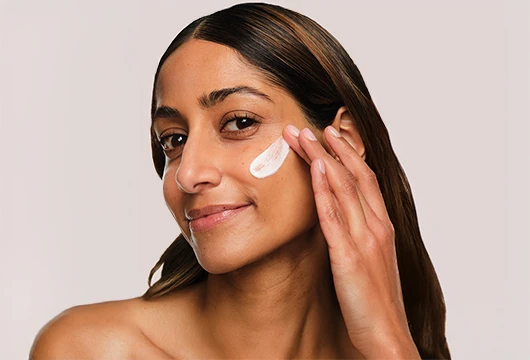
Wondering if your skin texture can actually get better? You're not alone in this concern. Millions of people deal with rough, bumpy, or uneven skin that affects their confidence and appearance. The good news is that skin texture can absolutely be improved with the right approach and realistic expectations. Whether you're dealing with acne scars, sun damage, or just naturally rough skin, there are proven methods to help you achieve smoother, healthier-looking skin. From simple at-home remedies to professional treatments, understanding your options is the first step toward the smooth skin you want.
Skin texture refers to the surface quality of your skin - how it looks and feels to the touch. Healthy skin typically appears smooth, even, and has a consistent surface without visible bumps, rough patches, or irregularities. When skin texture becomes problematic, it can manifest as roughness, bumpiness, enlarged pores, or an uneven surface that catches light differently. Your skin's texture plays a huge role in how youthful and healthy you appear. Even with perfect color and tone, poor texture can make skin look aged or unhealthy. This is why focusing on skin texture improvement often delivers more dramatic results than just addressing color concerns alone.
Different skin texture types require different approaches. Smooth texture feels soft and even, while rough texture has a sandpaper-like quality. Bumpy texture includes raised areas like blackheads or small bumps, and grainy texture feels like tiny particles under the skin. Uneven texture combines multiple issues, creating an inconsistent surface across different areas of your face.
Understanding what causes poor skin texture helps you target the root problems effectively. The most common culprits include dead skin cell buildup, which happens when your skin doesn't shed old cells efficiently. This creates a dull, rough surface that feels bumpy to the touch. Acne scarring represents another major cause of texture issues. When breakouts heal improperly, they can leave behind raised or depressed areas that create an uneven surface. Sun damage also plays a significant role, breaking down collagen and elastin while creating rough, leathery patches over time.
Your daily habits significantly impact skin texture. Poor hydration leads to dry, flaky skin that feels rough and looks dull. Inadequate sleep prevents proper cellular repair, while chronic stress increases inflammation that can worsen texture issues. Environmental factors like pollution and harsh weather also contribute to surface irregularities.
Many people wonder how to improve skin texture naturally before considering professional treatments. The foundation starts with proper hydration - both drinking enough water and using moisturizers that support your skin barrier. Well-hydrated skin appears plumper and smoother, minimizing the appearance of fine lines and rough patches. Gentle exfoliation removes dead skin cells that contribute to rough texture. Natural options include soft washcloths, gentle scrubs with fine particles, or even dry brushing for body skin. The key is consistency without over-doing it, as excessive exfoliation can actually worsen texture problems.
Nutrient-rich foods support healthy skin cell production and repair. Focus on foods high in vitamins C and E, omega-3 fatty acids, and antioxidants. Quality sleep allows your skin to repair and regenerate, leading to improved texture over time. Most people need 7-9 hours of consistent sleep for optimal skin health.
When natural methods aren't enough, professional skin texture treatments can deliver more dramatic results. Chemical peels use acids to remove damaged surface layers, revealing smoother skin underneath. Different peel strengths target various texture concerns, from light peels for mild roughness to deeper peels for significant scarring. Microneedling creates controlled micro-injuries that stimulate collagen production, gradually improving texture and firmness. This treatment works particularly well for acne scars and enlarged pores. Skin resurfacing with lasers offers the most dramatic results for severe texture issues, though it requires more downtime and careful aftercare.
The best treatment depends on your specific texture concerns and skin type. Mild texture issues often respond well to regular chemical peels, while deeper scarring may require laser resurfacing or multiple microneedling sessions. A qualified dermatologist can assess your skin and recommend the most appropriate approach.
The best skincare for skin texture includes ingredients that promote cell turnover and maintain proper hydration. Retinoids top the list for their ability to accelerate cellular renewal and stimulate collagen production. Start with lower concentrations and gradually increase as your skin adapts. Alpha hydroxy acids (AHAs) and beta hydroxy acids (BHAs) provide chemical exfoliation that's more effective than physical scrubs. AHAs work on the surface to smooth rough texture, while BHAs penetrate pores to address bumpy texture from clogged follicles.
Vitamin C protects against environmental damage while supporting collagen synthesis. Niacinamide helps refine pores and improve overall skin texture. Hyaluronic acid provides deep hydration that plumps skin and minimizes the appearance of fine lines and rough patches.
Most people want to know exactly when they'll see results from their texture improvement efforts. Natural methods typically show initial improvements within 2-4 weeks, with more significant changes appearing after 2-3 months of consistent care. Professional treatments often deliver faster results, though multiple sessions may be needed for optimal outcomes. The key to success lies in patience and consistency. Skin cells take about 28 days to complete their renewal cycle, so any treatment needs time to show its full effects. Dramatic overnight changes aren't realistic, but steady improvement over weeks and months is definitely achievable.
Once you achieve improved texture, maintaining results requires ongoing care. This includes consistent use of proven ingredients, regular professional treatments if needed, and protection from sun damage. Most people find that a combination of good daily skincare and periodic professional treatments keeps their skin looking its best.
While you can achieve significant and long-lasting improvements, skin texture requires ongoing maintenance. Aging, sun exposure, and other factors continue to affect your skin, so consistent care is essential for maintaining results.
Most people notice initial changes within 2-4 weeks of starting a new routine. More significant improvements typically appear after 2-3 months of consistent treatment.
The best approach depends on the cause of your rough skin. Gentle exfoliation and proper moisturizing work well for mild issues, while professional treatments may be needed for more severe texture problems.
Yes, many texture issues respond well to consistent at-home care using proven ingredients like retinoids, AHAs, and proper moisturizers. However, severe texture problems may require professional treatment.
Combining treatments can be effective but should be done carefully. Start with one new treatment at a time and allow your skin to adjust before adding others. Professional guidance is recommended for complex treatment plans.
Improving skin texture is absolutely possible with the right approach and realistic expectations. Whether you choose natural methods, professional treatments, or a combination of both, consistency is crucial for achieving and maintaining results. Start with gentle, proven ingredients and gradually build your routine based on how your skin responds. Remember that significant texture improvements take time, but the results are worth the patience and effort you invest in your skin's health.
