

7 Powerful Acne Treatments for Adult Skin
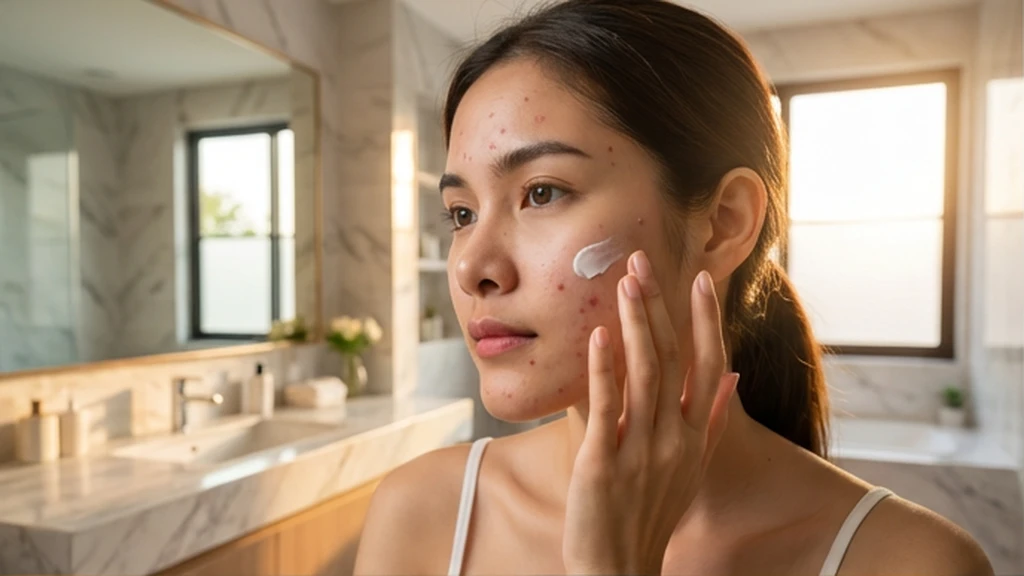
Adult acne can feel like a cruel joke. You thought breakouts were a teenage thing, but here you are dealing with stubborn blemishes well into your twenties, thirties, or beyond. The truth is, adult acne affects millions of people worldwide and requires a different approach than the treatments you might have used as a teen. Your skin has changed, your hormones are different, and what worked before might not work now. The good news? There are powerful, proven acne treatments for adults that can help you achieve the clear skin you deserve. Let's explore seven effective solutions that dermatologists recommend for adult breakouts.
Adult acne isn't just leftover teenage skin problems. It's a distinct condition with its own triggers and patterns. Unlike teen acne, which often covers the entire face, adult acne typically appears along the jawline, chin, and lower cheeks. This pattern usually points to hormonal fluctuations as the main culprit. Stress plays a huge role in adult breakouts. When you're stressed, your body produces more cortisol, which can trigger oil production and inflammation. Diet also matters more than you might think. High-glycemic foods and dairy products can worsen hormonal acne in some adults. Even your skincare routine might be working against you if you're using products that are too harsh or comedogenic.
Benzoyl peroxide remains one of the most effective acne treatments available without a prescription. This ingredient works by releasing oxygen into your pores, creating an environment where acne bacteria can't survive. It's particularly effective for inflammatory acne and can help prevent new breakouts from forming. Start with a 2.5% concentration to minimize irritation. Many people think stronger is better, but studies show that 2.5% benzoyl peroxide is just as effective as higher concentrations with fewer side effects. Apply it once daily in the evening, and always follow with a moisturizer since it can be drying.
Apply benzoyl peroxide to clean, dry skin and wait 10-15 minutes before applying other products. This gives it time to penetrate your pores effectively. Be patient with results - it typically takes 6-8 weeks to see significant improvement in your blemish control.
Salicylic acid is a beta-hydroxy acid that works differently from benzoyl peroxide. Instead of killing bacteria, it helps unclog pores by dissolving the bonds between dead skin cells. This makes it excellent for blackheads, whiteheads, and preventing new breakouts from forming. This ingredient is particularly good for adults with sensitive skin who can't tolerate benzoyl peroxide. Look for products with 0.5-2% salicylic acid concentration. You can use it daily, but start with every other day to let your skin adjust.
Salicylic acid comes in cleansers, toners, and leave-on treatments. Leave-on treatments tend to be more effective since they have more contact time with your skin. Apply it to clean skin and follow with your regular moisturizer to prevent dryness.
Retinoids are considered the gold standard in acne skincare for good reason. These vitamin A derivatives speed up cell turnover, preventing dead skin cells from clogging your pores. They also have anti-inflammatory properties and can help fade acne scars over time. Adapalene (Differin) is now available over-the-counter and is an excellent starting point for retinoid therapy. For stronger options, you'll need a prescription for tretinoin or tazarotene. These medications offer the best results for stubborn adult acne.
Start slowly with retinoids - use them every third night for the first week, then every other night, then nightly as your skin tolerates. Always apply to dry skin and use a pea-sized amount for your entire face. The initial purging period is normal and usually lasts 4-6 weeks.
Azelaic acid is an underrated ingredient that works well for adults with sensitive skin or those who can't tolerate other treatments. It has antibacterial properties, reduces inflammation, and helps with post-acne dark spots. This makes it particularly valuable for adults dealing with both active breakouts and acne scarring. You can find azelaic acid in 10% concentrations over-the-counter or get stronger 15-20% prescriptions from your dermatologist. It's gentle enough to use twice daily and works well in combination with other acne treatments for adults.
Unlike some other acne ingredients, azelaic acid doesn't cause photosensitivity and is safe to use during pregnancy. It's also less likely to cause the dryness and irritation associated with other treatments, making it ideal for adults with mature or sensitive skin.
Niacinamide, also known as vitamin B3, is excellent for controlling oil production and reducing inflammation. It's particularly helpful for adults whose acne is triggered by excess sebum production. This ingredient also helps strengthen your skin barrier, which can be compromised by other acne treatments. Look for products with 5-10% niacinamide concentration. It plays well with other ingredients and can be used morning and evening. Many people see improvements in their skin texture and reduced pore appearance within 4-6 weeks of consistent use.
Niacinamide is one of the few acne ingredients that rarely causes irritation and can be safely combined with retinoids, salicylic acid, and benzoyl peroxide. This makes it an excellent addition to any adult acne treatment routine.
Sometimes over-the-counter treatments aren't enough for persistent adult acne. Professional treatments can provide the extra boost your skin needs to achieve lasting clear skin. Chemical peels using glycolic or salicylic acid can help unclog pores and improve skin texture. Professional extractions performed by a licensed esthetician can safely remove stubborn blackheads and whiteheads. Light therapy treatments, including blue light and photodynamic therapy, can target acne bacteria and reduce inflammation.
If you've been consistent with a good skincare routine for 12 weeks without seeing improvement, it's time to see a professional. Cystic acne, scarring, or acne that's affecting your quality of life are all good reasons to seek professional treatment.
For severe or persistent adult acne, prescription medications might be necessary. Topical antibiotics like clindamycin can help reduce bacterial growth and inflammation. Oral antibiotics such as doxycycline or minocycline are often prescribed for inflammatory acne. For women with hormonal acne, spironolactone can be particularly effective. This medication blocks androgen receptors, reducing oil production and breakouts along the jawline and chin. Birth control pills can also help regulate hormones that trigger acne.
For severe, scarring, or treatment-resistant acne, isotretinoin (formerly Accutane) remains the most effective option. This powerful medication can provide long-term remission of acne, but it requires careful monitoring due to potential side effects.
The most effective approach typically combines a retinoid with either benzoyl peroxide or salicylic acid. This combination addresses multiple causes of acne - clogged pores, bacteria, and inflammation. Many dermatologists recommend adapalene gel with benzoyl peroxide as a first-line treatment.
Most acne treatments require 6-12 weeks to show visible improvement. Some people may see initial results in 4-6 weeks, but significant clearing typically takes 3-4 months of consistent use. Don't give up too early - patience is key with acne treatment.
While there's no permanent cure for acne, it can be effectively managed with the right treatment plan. Many adults find that consistent use of appropriate treatments keeps their acne under control. Some people may need long-term maintenance therapy to prevent breakouts.
Some natural ingredients like tea tree oil and green tea have shown promise in studies, but they're generally less effective than proven medical treatments. While lifestyle factors like diet and stress management can help, they work best when combined with proven topical treatments.
Safe options during pregnancy include benzoyl peroxide, azelaic acid, and topical antibiotics like erythromycin or clindamycin. Avoid retinoids, oral antibiotics, and salicylic acid in high concentrations. Always consult your healthcare provider before starting any new treatments during pregnancy.
Adult acne is a common condition that responds well to the right treatment approach. The seven powerful treatments we've discussed - benzoyl peroxide, salicylic acid, retinoids, azelaic acid, niacinamide, professional treatments, and prescription options - offer effective solutions for different types of adult breakouts. Remember that consistency is crucial, and it often takes several months to see significant improvement. Start with gentler options and gradually build up your routine as your skin tolerates it. If over-the-counter treatments aren't working after 12 weeks of consistent use, don't hesitate to consult a dermatologist for stronger prescription options. With patience and the right approach, clear skin is achievable at any age.
