

11 Hydrating Steps for Your Sensitive Skin Humid Routine
Managing sensitive skin in humid conditions feels like walking a tightrope. Too much moisture in the air can trigger breakouts and irritation, while too little leaves your skin parched and reactive. Your sensitive skin humid routine needs to strike the perfect balance between hydration and protection. The key lies in understanding how humidity affects your delicate complexion and adapting your skincare approach accordingly. Whether you're dealing with redness, stinging, or unexpected breakouts during monsoon season, these 11 carefully curated steps will help you maintain healthy, comfortable skin year-round.
Humidity creates a unique challenge for sensitive skin types. When moisture levels rise above 60%, your skin's natural barrier function can become compromised. The excess moisture in the air doesn't necessarily mean your skin stays hydrated – instead, it can disrupt your skin's pH balance and create an environment where bacteria thrive.
Your easily irritated skin responds to humidity changes by either overproducing oil or becoming dehydrated. This happens because humid air can interfere with your skin's natural moisture regulation system. Sweat doesn't evaporate properly, leading to clogged pores and potential irritation. Additionally, skincare products may not absorb correctly in high humidity, sitting on the surface and potentially causing reactions.
Your morning routine sets the foundation for how your sensitive skin will handle humidity throughout the day. These first six steps focus on gentle cleansing, adequate hydration, and protection without overwhelming your delicate complexion.
Start with lukewarm water and a pH-balanced cleanser designed for sensitive skin. In humid weather, your skin produces more oil overnight, but aggressive cleansing will only trigger more irritation. Look for cream or gel cleansers with a pH between 5.0-6.5 that won't strip your skin's protective barrier.
Apply an alcohol-free toner to restore your skin's pH balance after cleansing. Pat the product gently into your skin rather than rubbing. This step is crucial for barrier repair routine sensitive skin because it prepares your complexion to absorb subsequent products effectively.
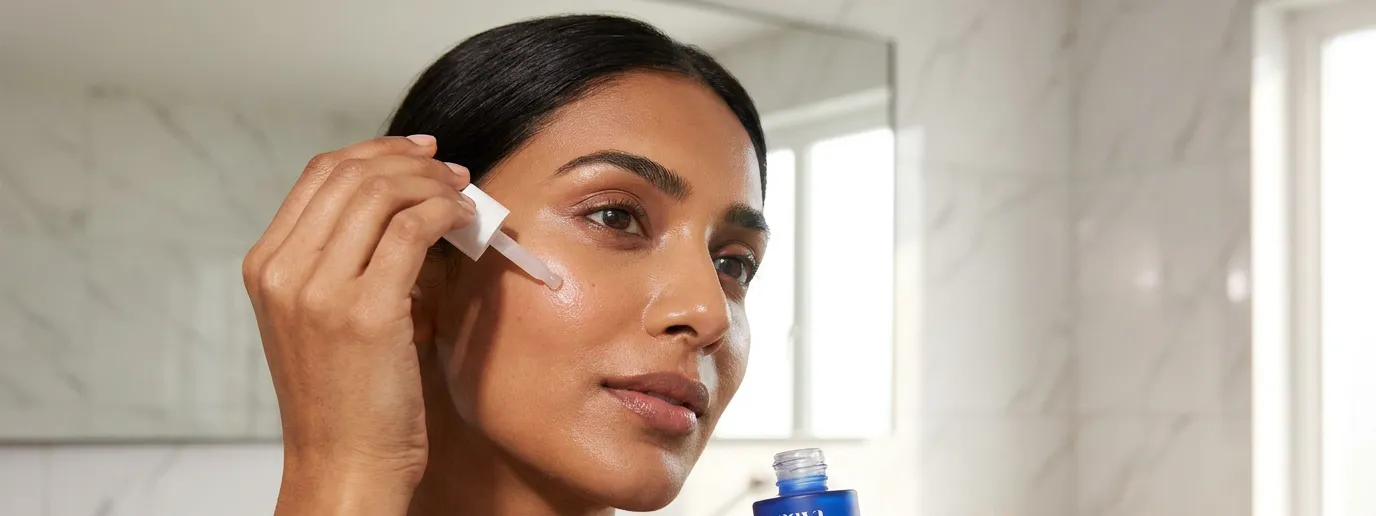
Choose serums with hyaluronic acid or niacinamide for your hydrating routine for sensitive complexion. These ingredients provide moisture without heaviness. Apply 2-3 drops and press gently into skin, avoiding any rubbing motions that could cause irritation.
Incorporate ceramides and peptides to strengthen your skin barrier. This step is essential for soothing skincare for reactive skin because it helps prevent environmental triggers from penetrating your skin. Start with every other day and gradually increase frequency as your skin builds tolerance.
In humid conditions, opt for gel-based moisturizers over heavy creams. These formulas provide necessary hydration without feeling sticky or clogging pores. Apply while your skin is still slightly damp to lock in moisture effectively.
Finish with a mineral sunscreen containing zinc oxide or titanium dioxide. These physical blockers are gentler on sensitive skin than chemical sunscreens. Choose SPF 30-50 and reapply every 2 hours, especially in humid outdoor conditions.
Your evening routine for sensitive skin focuses on repair and recovery. After a day of humidity exposure, your skin needs gentle cleansing and intensive nourishment to restore its natural balance.
Begin with an oil cleanser to remove sunscreen and environmental pollutants. Follow with your gentle morning cleanser to ensure complete removal without over-cleansing. This method is particularly important in humid climates where pollution and sweat can accumulate throughout the day.
Apply treatments containing chamomile, centella asiatica, or aloe vera to soothe any irritation from humidity exposure. These ingredients help reduce inflammation and prepare your skin for overnight repair. This step is crucial for skincare for redness-prone skin.
Layer multiple lightweight hydrating products rather than one heavy cream. Start with a hydrating essence, follow with a serum, and finish with a gentle moisturizer. This layering technique provides deep hydration without overwhelming sensitive skin.
Address any humidity-induced irritation with gentle spot treatments. Avoid harsh actives and instead opt for soothing ingredients that calm inflammation without causing further sensitivity. Apply only to affected areas to prevent unnecessary irritation.
Optimize your sleep environment with the best humidifier for dry sensitive skin. Maintain humidity levels between 40-50% for optimal skin recovery. If you use air conditioning, place a small humidifier nearby to prevent excessive dryness that could trigger sensitivity.
Your gentle skincare routine for sensitive skin should evolve with changing humidity levels throughout the year. During monsoon season, focus on lightweight, fast-absorbing products that won't feel heavy in high humidity. In winter, when indoor heating reduces humidity, incorporate more intensive moisturizing steps.
Pay attention to how your skin responds to humidity changes and adjust accordingly. Some people with sensitive skin find their complexion improves with moderate humidity, while others experience increased reactivity. Track your skin's responses in a journal to identify patterns and optimize your routine.
Many people make the mistake of skipping moisturizer in humid weather, thinking the air provides enough moisture. This actually triggers your skin to produce more oil, leading to breakouts and irritation. Another common error is over-cleansing to combat the feeling of stickiness from humidity.
Avoid using too many active ingredients when humidity levels fluctuate. Your sensitive skin is already dealing with environmental stress, and adding harsh actives can push it over the edge into full reactivity. Stick to gentle, proven ingredients and introduce new products slowly.
Sensitive skin has a compromised barrier function, making it more reactive to humidity changes. While normal skin can adapt to moisture fluctuations, sensitive skin may experience increased redness, stinging, or breakouts when humidity levels shift rapidly.
No, make gradual adjustments rather than complete overhauls. Focus on modifying product textures and application methods rather than switching to entirely new formulations, which could trigger additional sensitivity.
Yes, but adjust how you use them. In high humidity, apply thinner layers and focus on gel formulations. In low humidity, layer products more heavily and incorporate additional hydrating steps.
Maintain indoor humidity between 40-50% for optimal sensitive skin health. This range provides adequate moisture without creating an environment for bacterial growth or product breakdown.
Creating an effective sensitive skin humid routine requires understanding how your skin responds to moisture changes and adapting your approach accordingly. The 11 steps outlined here provide a comprehensive framework for maintaining healthy, comfortable skin regardless of humidity levels. Remember that consistency matters more than perfection – stick to gentle, proven ingredients and make gradual adjustments as needed.
Your sensitive skin deserves patience and care, especially when dealing with environmental challenges like humidity fluctuations. By following these steps and paying attention to your skin's signals, you can maintain a healthy, balanced complexion throughout the year.
