

Will Hyperpigmentation from Waxing Fade Naturally?
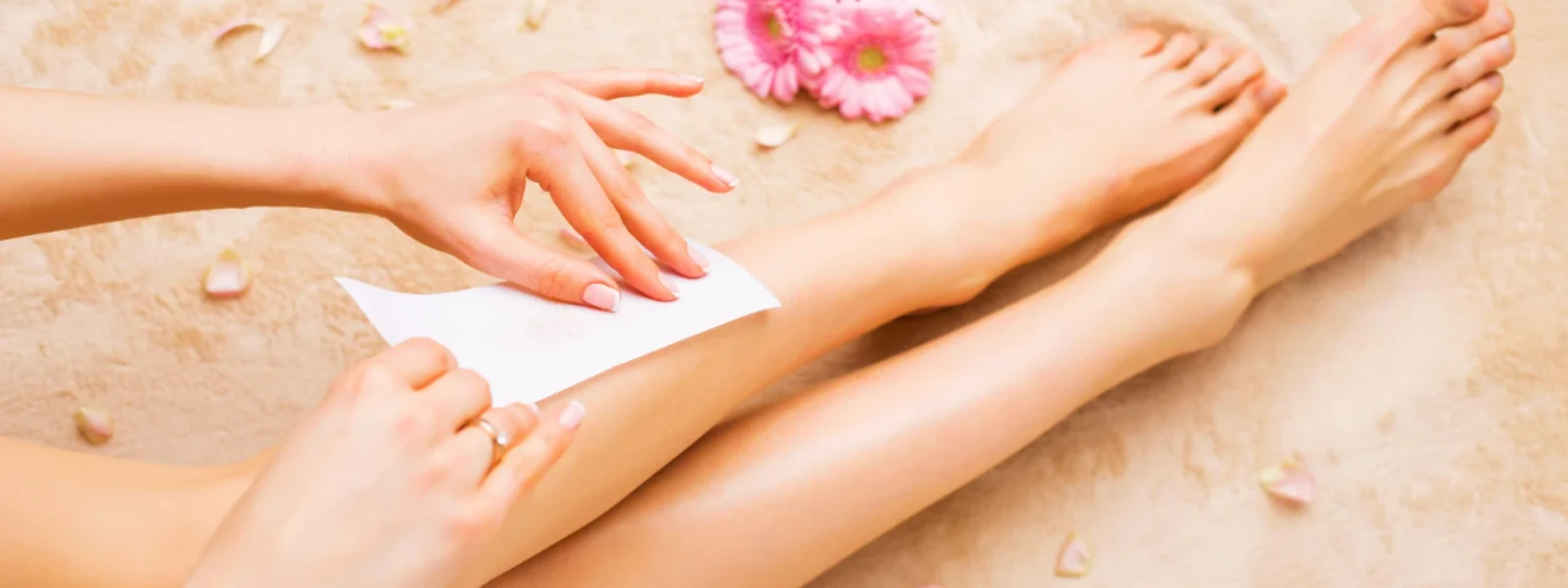
Noticing dark spots after your latest waxing session? You're not alone. Hyperpigmentation after waxing affects countless people, leaving behind unwanted patches that can feel frustrating and concerning. The good news is that most waxing discoloration does fade naturally over time. However, understanding why it happens and how to speed up the healing process can make all the difference. Let's explore what causes these dark spots after waxing and discover proven ways to restore your skin's natural tone.
Post-inflammatory hyperpigmentation waxing occurs when your skin produces excess melanin in response to trauma. Think of it as your skin's protective mechanism gone into overdrive. When wax removes hair from the follicle, it creates micro-injuries that trigger inflammation. Your melanocytes (pigment-producing cells) respond by releasing more melanin to protect the damaged area.
This condition differs from permanent skin damage. Waxing skin darkening typically appears as brown, gray, or black patches in the treated area. The discoloration usually develops within days or weeks after waxing, not immediately. Common areas include the face, bikini line, and underarms where skin tends to be more sensitive.
You might notice flat, darkened patches that feel smooth to the touch. Unlike raised bumps or scars, hyperpigmentation sits flush with your skin surface. The color can range from light brown to deep black, depending on your natural skin tone and the severity of inflammation.
Several factors contribute to skin pigmentation from hair removal. Understanding these causes helps you prevent future occurrences and choose appropriate treatments. The inflammatory response plays the biggest role in triggering excess melanin production.
When wax pulls hair from follicles, it creates controlled trauma. Your immune system responds by sending inflammatory cells to the area. These cells release chemicals that stimulate melanocytes to produce more pigment. This process normally helps protect skin from further damage, but sometimes it goes too far.
Certain factors increase your likelihood of developing hyperpigmentation: • Darker skin tones (Fitzpatrick types III-VI) produce melanin more readily • Hormonal fluctuations during pregnancy or menstruation • Sun exposure before or after waxing • Improper waxing technique or overly hot wax • Pre-existing skin conditions like eczema or dermatitis • Frequent waxing of the same area without proper healing time
The short answer is yes, most cases of hyperpigmentation from waxing do fade naturally. Your skin has remarkable healing abilities, and the excess pigment typically breaks down over time. However, the timeline varies significantly based on several factors.
Mild hyperpigmentation usually fades within three to six months. Moderate cases may take six to twelve months to resolve completely. The healing process depends on your skin's natural cell turnover rate, which slows with age. Younger skin typically recovers faster than mature skin.
Some cases require professional treatment. Seek dermatological help if discoloration worsens after three months, covers large areas, or appears raised or textured. These signs might indicate scarring rather than simple hyperpigmentation.
Prevention remains your best strategy against post-inflammatory hyperpigmentation waxing. Taking proper precautions before, during, and after waxing significantly reduces your risk of developing dark spots.
Prepare your skin at least 24 hours before waxing. Gently exfoliate to remove dead skin cells and lift ingrown hairs. Avoid sun exposure for 48 hours prior to treatment. Apply a thin layer of numbing cream if you have sensitive skin, but check with your technician first.
Choose experienced professionals who use appropriate wax temperatures. The wax should feel warm, not burning hot. Ensure hair length measures about one-quarter inch for optimal removal. Immediately after waxing, apply a soothing, anti-inflammatory product to calm the skin.
Professional waxing typically carries lower risks when performed correctly. Trained technicians understand proper techniques and can assess your skin type. However, quality at-home products can work well if you follow instructions carefully and maintain proper hygiene.
Several effective treatments can accelerate the fading process and restore your skin's natural tone. The best hyperpigmentation creams contain clinically proven ingredients that inhibit melanin production and promote cell turnover.
Hydroquinone remains the gold standard for hyperpigmentation treatment. This ingredient blocks the enzyme responsible for melanin production. Start with 2% concentrations available over-the-counter. Tretinoin and other retinoids accelerate cell turnover, helping pigmented cells shed faster. Vitamin C serums provide antioxidant protection while inhibiting melanin formation. Look for stable forms like magnesium ascorbyl phosphate or sodium ascorbyl phosphate. Kojic acid, derived from fungi, offers gentle lightening effects with fewer side effects than hydroquinone.
Chemical peels remove pigmented skin layers, revealing fresh skin underneath. Glycolic acid and trichloroacetic acid peels work particularly well for post-waxing hyperpigmentation. Laser treatments target melanin specifically, breaking it down for natural elimination. Microneedling stimulates collagen production and enhances product absorption. When combined with lightening serums, it can significantly improve hyperpigmentation. IPL (Intense Pulsed Light) treatments use broad-spectrum light to target pigmented areas.
While some natural ingredients show promise, they work much slower than proven treatments. Licorice root extract contains glabridin, which inhibits melanin production. Niacinamide (vitamin B3) reduces inflammation and prevents pigment transfer to skin cells. However, these ingredients require months of consistent use to show noticeable results.
Ingrown hairs hyperpigmentation creates a double challenge. The trapped hair causes ongoing inflammation, which perpetuates pigment production. Addressing both issues simultaneously yields the best results.
Ingrown hairs create chronic inflammation that stimulates continuous melanin production. The longer the hair remains trapped, the darker the surrounding skin becomes. Breaking this cycle requires gentle exfoliation and anti-inflammatory care.
Use gentle chemical exfoliants like salicylic acid or lactic acid to prevent ingrown hairs. These ingredients dissolve dead skin cells without causing micro-tears. Apply anti-inflammatory ingredients like aloe vera or chamomile to soothe irritated skin. Avoid picking or squeezing ingrown hairs, as this worsens inflammation and pigmentation.
Maintaining healthy skin after waxing requires ongoing attention. Consistent care prevents future hyperpigmentation and maintains the results of any treatments you've used.
Incorporate broad-spectrum sunscreen with at least SPF 30 into your daily routine. UV exposure can darken existing hyperpigmentation and create new spots. Apply lightening treatments in the evening, as many ingredients increase photosensitivity.
Consider laser hair removal for permanent reduction. This method eliminates the need for repeated waxing, reducing your risk of developing hyperpigmentation. IPL hair removal offers similar benefits with potentially less discomfort.
Seek professional help if hyperpigmentation doesn't improve after six months of consistent treatment. Dermatologists can prescribe stronger medications and perform advanced procedures. They can also rule out other skin conditions that might mimic hyperpigmentation.
Most waxing-induced hyperpigmentation fades naturally within three to six months. Deeper pigmentation may take six to twelve months to resolve completely. Using proven treatments can significantly speed up this process.
Yes, proper preparation, professional technique, immediate post-care, and consistent sun protection can prevent most cases of hyperpigmentation. Avoiding waxing during hormonal fluctuations also helps reduce risk.
Combining topical treatments like hydroquinone or retinoids with professional procedures such as chemical peels offers the fastest results. Consistent daily use of proven ingredients accelerates the fading process.
Most cases are temporary and fade naturally over time. However, severe or repeatedly traumatized areas may develop permanent discoloration that requires professional treatment to resolve.
Facial areas, bikini line, and underarms are most susceptible due to sensitive skin and hormonal influences. These areas also tend to have higher concentrations of melanocytes.
Hyperpigmentation from waxing is common but treatable. Most cases fade naturally within six months, though proven treatments can accelerate the process significantly. Prevention through proper technique and aftercare remains your best strategy. If discoloration persists or worsens, don't hesitate to consult a dermatologist for professional guidance. With patience and the right approach, you can restore your skin's natural, even tone.
