

Why Knees Get Dark: Your Complete Guide to Skin
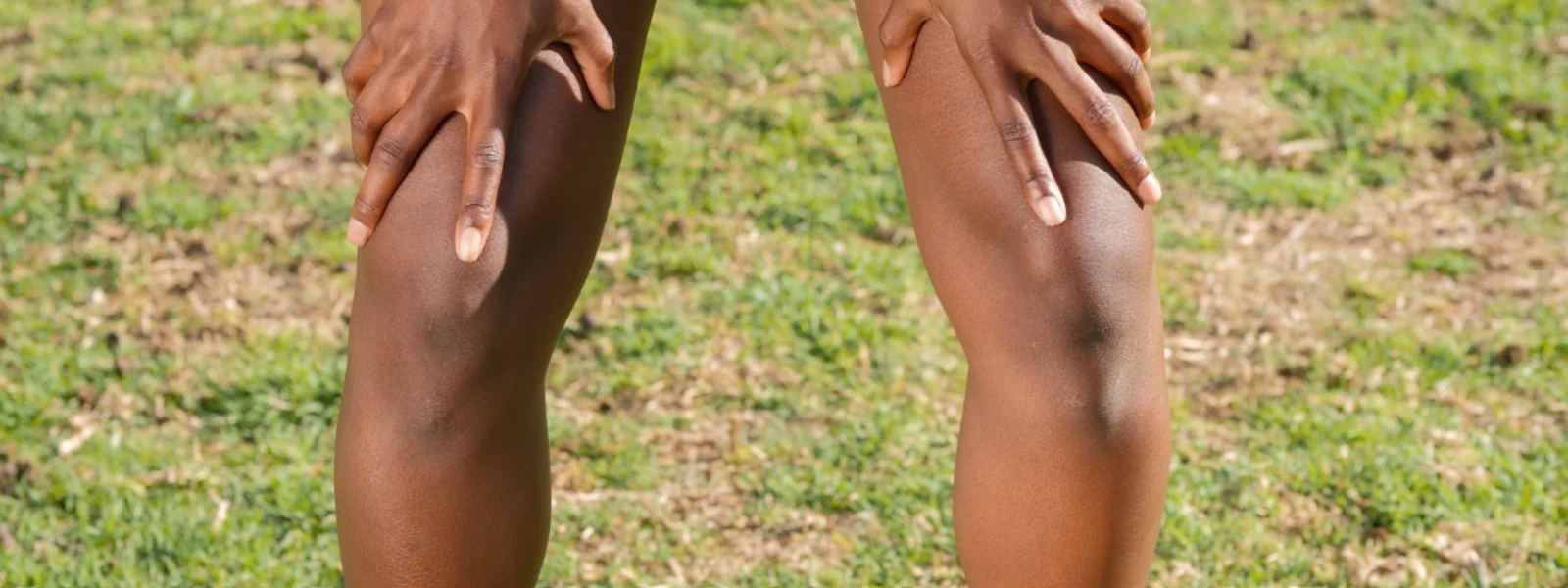
Have you ever noticed dark patches on your knees and wondered what's causing them? You're not alone. Many people experience knee discoloration at some point in their lives. These darker areas can make you feel self-conscious, especially during warmer months when you want to wear shorts or dresses. The good news is that understanding why knees get dark is the first step toward addressing this common skin concern. Dark knees aren't just a cosmetic issue – they can sometimes signal underlying health conditions that deserve attention. Let's explore what causes this discoloration and how you can effectively treat it.
Several factors contribute to dark knees, and understanding these causes helps you choose the right treatment approach. Your knees are particularly vulnerable to discoloration because they experience constant friction and have fewer oil glands than other body parts.
The most common reason for hyperpigmentation knees is simple friction. When you kneel, crawl, or wear tight clothing, your knees rub against surfaces repeatedly. This constant pressure causes your skin to produce more melanin as a protective response. Athletes, people who kneel frequently for work, and those who wear tight jeans often develop this type of discoloration.
Your knees naturally shed skin cells, but without regular exfoliation, these cells accumulate. This buildup creates a thicker, darker appearance that contributes to uneven skin tone knees. The skin becomes rough and appears darker than surrounding areas.
Sometimes dark skin around knees indicates underlying health issues. Acanthosis nigricans, often linked to insulin resistance or diabetes, causes velvety dark patches. Hormonal changes during pregnancy or conditions like PCOS can also trigger knee discoloration. Vitamin B12 deficiency has been connected to skin darkening in some cases.
Not all knee discoloration looks the same, and recognizing different types helps you understand what you're dealing with. Some darkening appears gradually over time, while other types develop quickly.
Friction-related darkening usually feels rough and thick. Medical conditions like acanthosis nigricans create a velvety texture. Post-inflammatory hyperpigmentation from eczema or injuries appears as flat, dark spots. Pay attention to whether the darkening is symmetrical on both knees or affects just one side.
Sudden onset of dark patches, especially with other symptoms like itching or pain, warrants medical attention. If you notice rapid changes or the darkening spreads beyond your knees, consult a dermatologist. These could indicate underlying health conditions requiring professional treatment.
The good news about treating dark knees is that many effective options exist. Your treatment approach should match the underlying cause of your discoloration.
Regular exfoliation removes dead skin cells that contribute to darkness. Use a gentle scrub 2-3 times weekly, focusing on circular motions. Avoid harsh scrubbing, which can worsen hyperpigmentation. Chemical exfoliants containing alpha hydroxy acids work well for sensitive skin.
Daily moisturizing is crucial for knee hyperpigmentation treatment. Look for products containing ceramides, hyaluronic acid, or niacinamide. These ingredients help repair the skin barrier and can gradually lighten dark areas. Apply moisturizer twice daily, especially after showering.
Dermatologists offer stronger treatments for stubborn cases. Chemical peels, laser therapy, and prescription retinoids can effectively address deeper pigmentation. These treatments require professional supervision but often provide faster results than home remedies.
Preventing dark knees is easier than treating existing discoloration. Simple lifestyle changes can make a significant difference in maintaining even skin tone.
Choose loose-fitting pants and avoid kneeling on hard surfaces when possible. Use knee pads during activities that require kneeling. Wear breathable fabrics that reduce friction and moisture buildup around your knees.
UV exposure can worsen existing pigmentation and create new dark spots. Apply sunscreen to your knees year-round, especially during summer months. This simple step prevents additional darkening and helps existing discoloration fade more quickly.
Most people notice some improvement within 4-6 weeks of consistent treatment. Complete lightening can take 3-6 months, depending on the severity and underlying cause.
Yes, dark knees can indicate insulin resistance or diabetes, especially when accompanied by a velvety texture. If you notice sudden darkening, consult your doctor for evaluation.
Gentle exfoliation with oatmeal scrubs and regular moisturizing can help. However, be cautious with home remedies like lemon juice, which can cause irritation and worsen pigmentation.
Consult a professional if darkening appears suddenly, spreads rapidly, or doesn't improve with home treatment after 8 weeks. Also seek help if you experience itching, pain, or other concerning symptoms.
If your dark knees are related to insulin resistance or diabetes, weight loss may help improve the condition. However, friction-related darkening may persist even after weight loss.
Understanding why knees get dark empowers you to choose the right treatment approach. Most cases result from friction and can be improved with gentle exfoliation, regular moisturizing, and lifestyle modifications. However, sudden or severe darkening may indicate underlying health conditions requiring medical attention. Remember that treating dark knees takes patience – consistent care over several months typically yields the best results. Focus on prevention through proper skincare and sun protection to maintain healthy, even-toned knees long-term.
