

Why Are Your Elbows Dark? Causes & Solutions
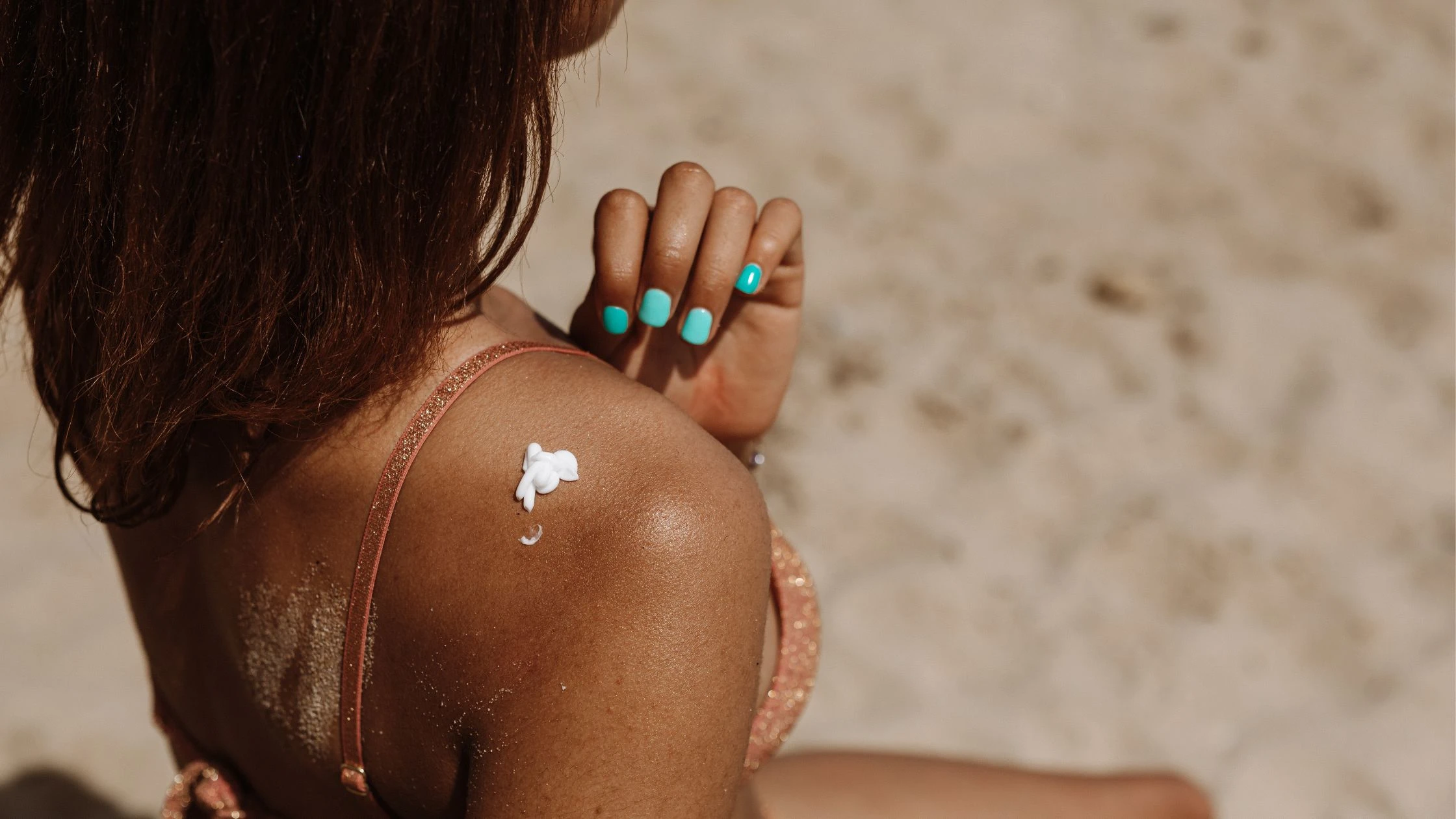
Dark elbows can feel like an unwelcome surprise when you notice them. You might wonder why this happens and what you can do about it. The good news is that dark elbows are common and usually harmless. Understanding the causes helps you choose the right approach to address them. From simple lifestyle changes to targeted treatments, there are many ways to improve the appearance of your elbows and boost your confidence.
Your elbows naturally have thicker skin than other parts of your body. This makes them more prone to dryness and color changes. Several factors work together to create elbow hyperpigmentation.
Friction tops the list of reasons why elbows are dark. When you lean on your elbows regularly, the constant pressure and rubbing triggers your skin to produce more melanin. This protective response leads to darker patches over time. Dryness plays a major role too. Elbow skin lacks oil glands, making it naturally drier. Without proper moisture, dead skin cells build up and create a darker appearance.
Your daily habits can worsen elbow discoloration. Resting your elbows on desks, tables, or armrests creates ongoing friction. Tight clothing that rubs against your elbows adds to the problem. Poor skincare routines often neglect joint areas like elbows. Many people focus on their face and forget about these spots that need extra attention.
Sometimes dark elbows signal underlying health issues. Recognizing these connections helps you get proper care when needed. Medical causes require different treatment approaches than simple friction-related darkening.
This condition creates velvety, dark patches on skin folds and joints. Elbow skin darkening from acanthosis nigricans often links to insulin resistance or diabetes. The patches feel soft and may appear on other areas like the neck or armpits. If your dark elbows appeared suddenly or feel different in texture, consider seeing a doctor. Early detection of diabetes helps prevent complications.
Vitamin B12 deficiency can cause skin darkening, including on elbows. This happens because B12 affects melanin production. Other vitamin deficiencies may also contribute to uneven skin tone elbows. Hormonal changes during pregnancy or from thyroid issues can trigger pigmentation changes. Genetics also play a role in how prone you are to developing dark patches.
Certain medications can increase pigmentation. Birth control pills, some antibiotics, and antimalarial drugs may darken skin areas including elbows. If you notice changes after starting new medication, discuss this with your doctor.
Effective treatment depends on the cause of your dark elbows. Multiple approaches often work better than single treatments. Patience is key since skin renewal takes time.
Dermatologists offer powerful options for stubborn elbow hyperpigmentation. Chemical peels remove dead skin layers and promote new cell growth. Prescription retinoids speed up skin turnover and fade dark spots. Laser treatments target pigment directly. These work well for resistant cases but require multiple sessions.
Many effective products are available without prescription. Look for alpha hydroxy acids (AHAs) like glycolic acid or lactic acid. These gently exfoliate and brighten skin. Moisturizers with urea or ceramides help repair the skin barrier. Regular use prevents further darkening while improving existing discoloration.
Simple home remedies for dark elbows can be surprisingly effective. These gentle approaches work well for mild discoloration and complement other treatments. Natural ingredients are often gentler on sensitive skin.
Make a simple scrub with baking soda and water. Gently massage this mixture on damp elbows twice weekly. Sugar mixed with olive oil also works well for removing dead skin cells. Avoid harsh scrubbing which can worsen darkening. Gentle, consistent exfoliation gives better results than aggressive treatment.
Apply thick moisturizer immediately after showering when skin is still damp. This locks in moisture effectively. For dry dark elbows, use products with ingredients like shea butter or petroleum jelly. Overnight treatments work especially well. Apply a thick layer of moisturizer before bed and cover with cotton sleeves if possible.
Preventing dark elbows is easier than treating existing discoloration. Small changes in daily habits make a big difference over time. Consistency matters more than perfection.
Be mindful of how often you lean on your elbows. Use cushions or armrests when possible. Apply sunscreen to exposed elbows since UV exposure can worsen pigmentation. Moisturize your elbows daily, just like you would your face. This simple step prevents dryness that leads to darkening.
Choose loose-fitting clothing that doesn't rub against your elbows. Natural fabrics like cotton are gentler on skin than synthetic materials. Maintaining healthy blood sugar levels helps prevent acanthosis nigricans. Regular exercise and a balanced diet support overall skin health.
Most dark elbows are harmless, but some situations need medical attention. Knowing when to seek help prevents missing important health issues. Professional guidance also speeds up treatment for cosmetic concerns.
See a doctor if your elbow discoloration appeared suddenly or spreads rapidly. Itching, pain, or unusual texture changes also warrant evaluation. These symptoms might indicate underlying conditions needing treatment. If you have diabetes risk factors and develop dark, velvety patches, get checked for insulin resistance.
Your dermatologist will examine your elbows and ask about your medical history. They might recommend blood tests to check for diabetes or vitamin deficiencies. Treatment plans are customized based on the cause and severity of your condition. Follow-up appointments track progress and adjust treatments as needed.
Most people see improvement in 4-8 weeks with consistent treatment. Severe cases may take several months. Results depend on the cause and treatment method used.
Yes, in most cases dark elbows can be significantly lightened or eliminated. Success depends on addressing the underlying cause and maintaining good skincare habits.
No, friction and dryness cause most cases of dark elbows. However, sudden onset of velvety dark patches should be evaluated for diabetes risk.
Look for thick creams with urea, ceramides, or glycerin. These ingredients help repair and hydrate the thick skin on elbows effectively.
Dark elbows are common and usually result from friction, dryness, or dead skin buildup. Simple changes like regular moisturizing and gentle exfoliation often improve appearance significantly. While most cases are harmless, sudden changes or unusual symptoms deserve medical attention. With patience and consistent care, you can achieve smoother, more even-toned elbows that make you feel confident in any outfit.
