


What is Melasma? Your Complete FAQ Guide
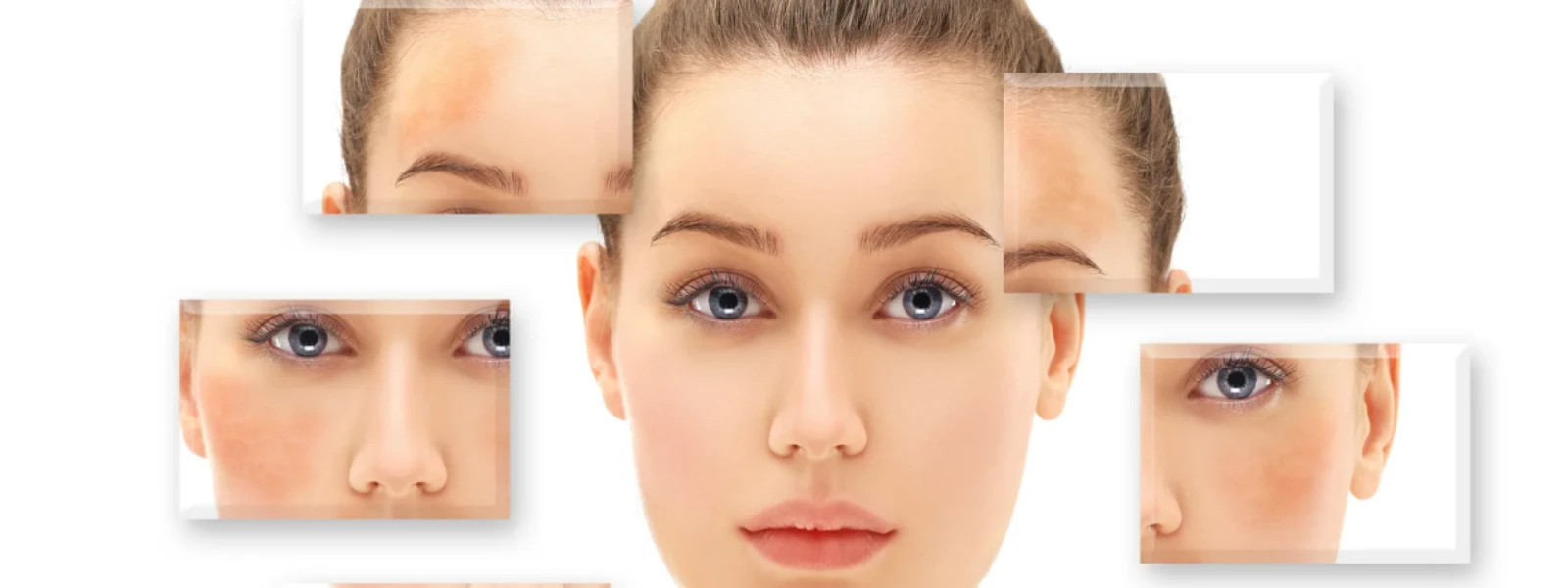
If you've noticed brown or gray patches appearing on your face, you might be wondering what is melasma and why it's happening to you. This common skin condition affects millions of people worldwide, particularly women, and can significantly impact confidence and daily life. Melasma creates symmetrical patches of hyperpigmentation that often appear during pregnancy, hormonal changes, or after sun exposure. Understanding this condition is the first step toward effective management and treatment. Let's explore everything you need to know about melasma, from its causes to the most effective treatment options available today.
Melasma is a common pigmentary disorder that causes brown, gray, or blue-gray patches to appear on the skin, primarily on the face. Often called the "mask of pregnancy," this condition occurs when melanocytes (pigment-producing cells) become overactive and produce excess melanin in certain areas of the skin. The patches typically appear symmetrically on both sides of the face, creating a distinctive pattern that distinguishes melasma from other forms of skin discoloration.
This condition affects approximately 90% of women and 10% of men, with women of reproductive age being most commonly affected. The prevalence is particularly high among individuals with darker skin tones, including those of Hispanic, Asian, and African descent, though it can affect people of all ethnicities.
Unlike age spots or sun damage, melasma appears in specific patterns and is primarily triggered by hormonal changes rather than just sun exposure. The patches are typically larger and more diffuse than other types of hyperpigmentation, and they often worsen during pregnancy or when taking hormonal medications.
The most distinctive feature of melasma symptoms is the symmetrical pattern of discoloration that appears on the face. These patches can range from light brown to dark brown or even grayish-blue, depending on the depth of pigmentation and your skin tone. The affected areas are typically flat and don't have any texture changes, making them purely cosmetic rather than physically uncomfortable.
Common locations for melasma face patches include the cheeks, forehead, bridge of the nose, and upper lip area. Some people also develop melasma on their forearms, though facial involvement is most common.
Melasma patches often have irregular borders and can vary in size from small spots to large areas covering significant portions of the face. The color intensity may fluctuate based on sun exposure, hormonal changes, and seasonal variations.
If you notice symmetrical brown patches appearing during pregnancy, while taking birth control pills, or after starting hormone replacement therapy, melasma is a likely culprit. The patches typically develop gradually over weeks or months rather than appearing suddenly.
Understanding melasma causes is crucial for both prevention and treatment. The primary triggers work together to stimulate excess melanin production in susceptible individuals. Hormonal fluctuations, particularly increases in estrogen and progesterone, are the most significant factors in melasma development.
Sun exposure acts as a major catalyst, activating the melanocytes that have been sensitized by hormonal changes. This is why melasma often worsens during summer months or after vacations in sunny locations.
Pregnancy is the most common trigger, affecting up to 70% of pregnant women. Birth control pills, hormone replacement therapy, and certain fertility treatments can also trigger melasma development in susceptible individuals.
Family history plays a significant role, with many people having relatives who also experienced melasma. Certain medications, cosmetics, and even stress can contribute to the condition's development or worsening.
Dermatologists classify melasma into three main types of melasma based on the depth of pigmentation in the skin layers. This classification is important because it affects treatment options and expected outcomes. Melasma diagnosis typically involves a visual examination by a dermatologist, often enhanced by special tools that can reveal the extent and depth of pigmentation.
The diagnostic process helps distinguish melasma from other conditions like post-inflammatory hyperpigmentation, solar lentigines, or café-au-lait spots, ensuring appropriate treatment selection.
This type affects only the top layer of skin and typically appears brown with well-defined borders. It responds best to treatment and may fade more quickly than other types.
Affecting deeper skin layers, dermal melasma appears blue-gray and has less defined borders. This type is more challenging to treat and may require more aggressive interventions.
The most common type, mixed melasma involves both epidermal and dermal layers, appearing brown-gray with varying degrees of definition. Treatment requires a comprehensive approach targeting multiple skin layers.
Melasma treatment requires patience and often combines multiple approaches for optimal results. The good news is that various effective options exist, from topical treatments you can use at home to professional procedures performed by dermatologists. The key is finding the right combination for your specific type of melasma and skin sensitivity.
Treatment success depends on consistency, sun protection, and realistic expectations. Most people see improvement within 3-6 months of starting treatment, though complete clearing may take longer.
The first line of treatment often involves melasma cream containing ingredients like hydroquinone, tretinoin, or kojic acid. These ingredients work by inhibiting melanin production and promoting cell turnover to fade existing pigmentation.
Chemical peels, laser treatments, and microneedling can provide more dramatic results for stubborn melasma. These procedures should always be performed by qualified professionals experienced in treating pigmentation disorders.
Melasma prevention focuses primarily on sun protection and managing hormonal triggers when possible. Since UV exposure is a major catalyst for melasma development and worsening, consistent use of broad-spectrum sunscreen is absolutely essential. This means applying SPF 50+ every day, regardless of weather or season, and reapplying every two hours when outdoors.
Beyond sun protection, lifestyle modifications can significantly impact melasma management. This includes wearing wide-brimmed hats, seeking shade during peak sun hours, and being mindful of hormonal medications that might trigger or worsen the condition.
Melasma can sometimes fade naturally, particularly when it's triggered by pregnancy (often called chloasma) and hormone levels return to normal after delivery. However, this process can take months to years, and many cases require active treatment. Sun-induced melasma rarely resolves without intervention, and even pregnancy-related melasma may persist without proper care and sun protection.
The main cause of melasma is hormonal fluctuations, particularly increases in estrogen and progesterone, combined with sun exposure. Pregnancy is the most common trigger, but birth control pills, hormone replacement therapy, and certain medications can also cause melasma. Genetic predisposition plays a significant role in determining who develops the condition when exposed to these triggers.
Melasma removal typically requires a combination of topical treatments, professional procedures, and strict sun protection. Start with a dermatologist-prescribed treatment plan that may include hydroquinone, tretinoin, or other lightening agents. Professional treatments like chemical peels or laser therapy can enhance results. Complete clearing can take 6-12 months or longer, and maintenance therapy is usually necessary to prevent recurrence.
Melasma is not harmful to your physical health and doesn't increase cancer risk. However, it can significantly impact emotional well-being and self-confidence. Many people experience psychological distress due to the visible nature of facial pigmentation. Seeking treatment is important not just for cosmetic reasons but also for mental health and quality of life.
The most effective melasma creams typically contain hydroquinone (2-4%), tretinoin, kojic acid, or vitamin C. Prescription combinations like tri-luma (hydroquinone, tretinoin, and fluocinolone) are often most effective. Over-the-counter options with ingredients like arbutin, niacinamide, and vitamin C can also help, though they typically work more slowly than prescription treatments.
Yes, melasma frequently recurs, especially if triggers like sun exposure or hormonal changes continue. This is why maintenance therapy and consistent sun protection are crucial even after successful treatment. Many people need ongoing use of lightening agents at reduced frequencies to prevent recurrence.
Most people begin seeing improvement in melasma within 6-8 weeks of starting treatment, with significant results typically visible after 3-4 months. Complete clearing can take 6-12 months or longer, depending on the severity and type of melasma. Deeper pigmentation generally takes longer to respond to treatment than superficial discoloration.
Chloasma is simply another term for melasma, specifically referring to melasma that occurs during pregnancy. The terms are often used interchangeably, though chloasma specifically describes pregnancy-related melasma. Both conditions involve the same type of pigmentation and respond to similar treatments.
Understanding what melasma is empowers you to take control of this common but manageable condition. While melasma can be frustrating and persistent, effective treatments exist that can significantly improve its appearance. The key to success lies in early intervention, consistent treatment, and unwavering commitment to sun protection. Remember that melasma management is typically a long-term journey rather than a quick fix, but with the right approach and professional guidance, you can achieve clearer, more even-toned skin.
If you suspect you have melasma, consult with a dermatologist for proper diagnosis and treatment planning. With patience, consistency, and the right treatment approach, you can effectively manage melasma and regain confidence in your skin's appearance.
