


What is Facial Pigmentation and How to Treat It Effectively
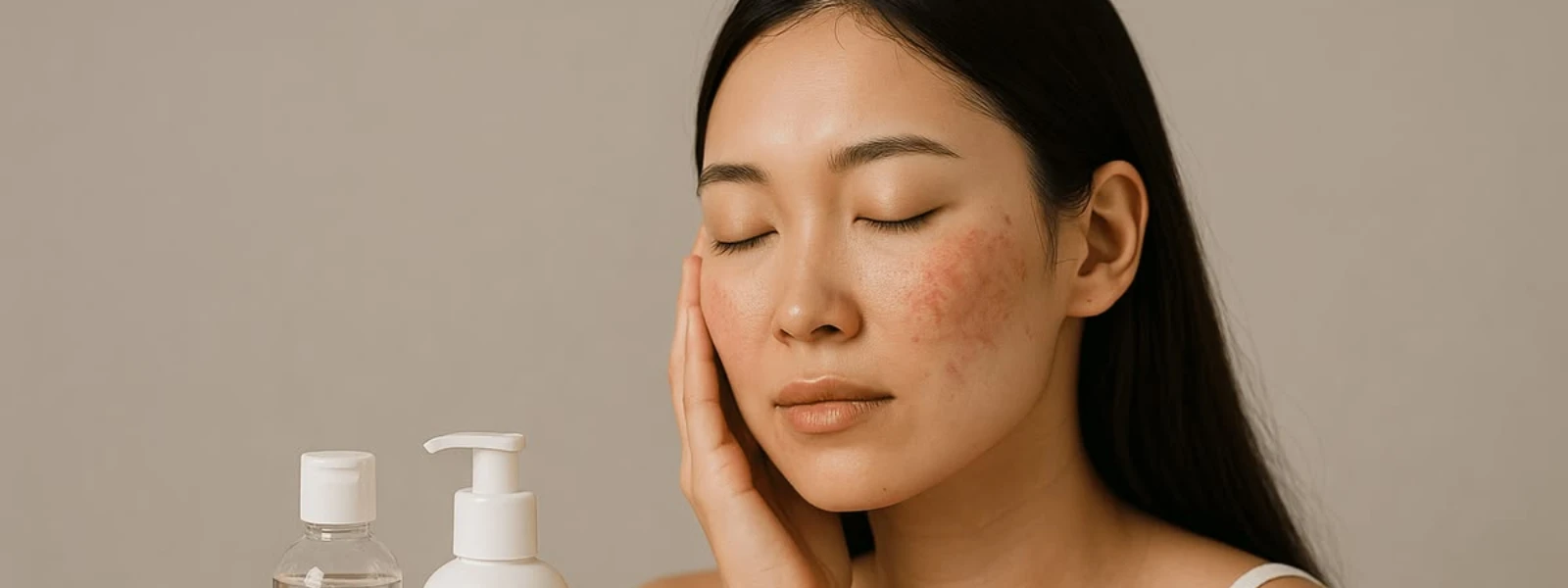
Facial pigmentation affects millions of people worldwide, creating uneven skin tone and dark spots that can impact confidence and self-esteem. Whether you're dealing with stubborn melasma, age spots from years of sun exposure, or post-acne marks that won't fade, understanding the root causes and effective treatment options is the first step toward achieving clearer, more radiant skin. This comprehensive guide explores everything you need to know about facial pigmentation and the most proven methods to address it safely and effectively.
Facial pigmentation refers to the uneven distribution of melanin, the natural pigment that gives your skin its color. When melanin production becomes irregular or excessive in certain areas, it creates visible dark patches, spots, or uneven skin tone. This condition affects people of all skin types, though it's more noticeable in individuals with darker complexions.
The difference between hyperpigmentation and hypopigmentation is crucial to understand. Hyperpigmentation occurs when areas of skin produce too much melanin, resulting in darker patches. Hypopigmentation happens when melanin production decreases, creating lighter spots. Most people seeking treatment deal with hyperpigmentation issues like dark spots on face or melasma.
Several distinct types of pigmentation can affect your face, each with unique characteristics and triggers. Understanding which type you're dealing with helps determine the most effective treatment approach.
This type develops after skin inflammation from acne, eczema, or injuries. The affected areas appear as dark spots where blemishes once were, and they're particularly common in people with darker skin tones.
Often called the "pregnancy mask," melasma creates symmetrical brown patches on the cheeks, forehead, and upper lip. Hormonal changes during pregnancy or from birth control pills typically trigger this condition.
These age spots or sunspots result from cumulative UV damage over time. They appear as flat, brown spots on areas most exposed to sun, including the face, hands, and shoulders.
Understanding skin discoloration causes is essential for both treatment and prevention. Multiple factors can trigger pigmentation issues, often working together to create visible changes in your skin.
Sun exposure remains the leading cause of facial pigmentation. UV radiation stimulates melanin production as your skin's natural defense mechanism, but repeated exposure can lead to uneven distribution and permanent dark spots.
Pregnancy, menopause, and hormonal contraceptives can all trigger melasma and other pigmentation changes. These hormonal fluctuations make melanocytes more sensitive to UV exposure, increasing the risk of developing dark patches.
Professional hyperpigmentation treatment offers the most dramatic and reliable results for stubborn pigmentation issues. Dermatologists and skincare professionals have access to powerful ingredients and technologies that can significantly improve skin tone.
Hydroquinone remains the gold standard for pigmentation removal, working by inhibiting melanin production. Tretinoin accelerates cell turnover, helping fade existing dark spots while preventing new ones from forming.
Professional chemical peels remove damaged skin layers, revealing fresher, more evenly toned skin underneath. Glycolic acid and salicylic acid peels are particularly effective for surface-level pigmentation.
Advanced laser treatments target melanin deposits with precision, breaking them down so your body can naturally eliminate them. IPL therapy is especially effective for sunspots removal and general skin tone improvement.
While professional treatments offer faster results, consistent at-home care can significantly improve pigmentation over time. The key is using proven ingredients and maintaining a disciplined routine.
Vitamin C serums provide antioxidant protection while inhibiting melanin production. Niacinamide reduces inflammation and helps regulate melanin transfer, making it excellent for preventing new dark spots.
Kojic acid, derived from fungi, effectively lightens existing pigmentation. Alpha arbutin offers a gentler alternative to hydroquinone, gradually fading dark spots without irritation.
Daily broad-spectrum sunscreen with at least SPF 30 is non-negotiable for preventing new pigmentation. Antioxidant-rich skincare products help neutralize free radicals that can trigger melanin production.
Different skin types respond differently to various treatments, making personalized approaches essential for optimal results. Understanding your skin's unique needs helps avoid complications and achieve better outcomes.
People with darker skin need gentler approaches to avoid triggering additional pigmentation. Lower concentrations of active ingredients and careful sun protection are crucial for safe treatment.
The most effective approach often combines multiple treatments. Professional procedures paired with consistent at-home care typically produce superior results compared to single-method approaches.
Most people notice improvement within 4-6 weeks of consistent treatment, though complete results may take 3-6 months. Professional treatments typically show faster results than at-home remedies.
While significant improvement is possible, complete removal depends on the type and depth of pigmentation. Surface-level spots respond better than deep dermal pigmentation.
Start with gentle ingredients like vitamin C and niacinamide, always use sunscreen, and introduce new products gradually. Patch testing prevents adverse reactions.
UV exposure triggers melanin production and can darken existing spots. Consistent sun protection and avoiding peak sun hours help prevent seasonal worsening.
Effective pigmentation treatment requires understanding your specific type of discoloration and choosing appropriate methods. While professional treatments offer faster results, consistent at-home care with proven ingredients can significantly improve skin tone over time. Remember that prevention through daily sun protection is just as important as treatment, and patience is essential since skin renewal takes time. Whether you choose professional procedures, at-home remedies, or a combination approach, consistency and realistic expectations are key to achieving the clear, even-toned skin you desire.
