


Uneven Skin Tone in India: Your Complete FAQ Guide
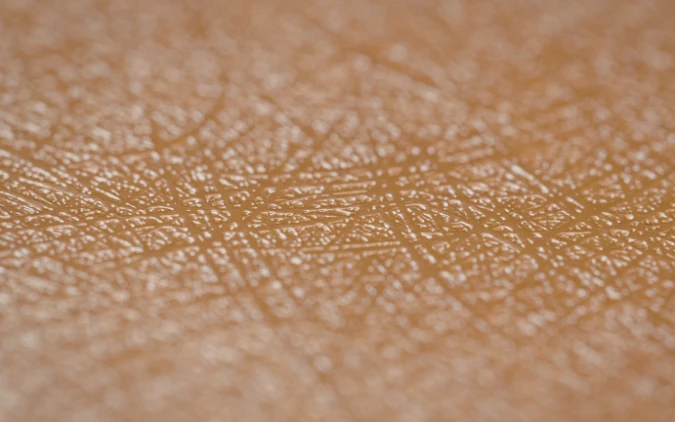
Did you know that 85% of Indian women struggle with uneven skin tone due to our unique climate and genetic factors? From the scorching heat of Rajasthan to the humid coastal regions of Kerala, Indian skin faces distinct challenges that require specialized care. Whether you're dealing with stubborn dark spots from acne, melasma from hormonal changes, or sun damage from our intense UV rays, understanding your skin's specific needs is the first step toward achieving that radiant, even complexion you've always wanted. This comprehensive guide addresses the most common questions about uneven skin tone India faces, offering evidence-based solutions tailored specifically for our skin types and environmental conditions.
Indian skin has unique characteristics that make it both resilient and prone to specific pigmentation issues. Our naturally higher melanin levels provide excellent protection against UV damage, but they also make us more susceptible to hyperpigmentation treatment India requires. The tropical climate, combined with genetic predisposition, creates a perfect storm for various types of skin discoloration that need targeted approaches.
Our skin produces more melanin than lighter skin types, which means any inflammation or irritation can trigger excessive pigment production. The year-round intense UV radiation across most Indian regions constantly stimulates melanocytes, leading to persistent tanning and dark spots. Additionally, the high humidity and pollution levels in urban areas create oxidative stress that accelerates skin discoloration India commonly experiences.
Post-inflammatory hyperpigmentation from acne is extremely common, especially during monsoon seasons when humidity spikes. Melasma affects many Indian women due to hormonal fluctuations during pregnancy or menstruation. Sun-induced age spots develop earlier in Indian skin due to constant UV exposure, while environmental pollution creates a dull, uneven complexion that requires consistent skin brightening India treatments.
Understanding why Indian skin hyperpigmentation occurs helps in choosing the right treatment approach. Multiple factors contribute to uneven skin tone, from environmental triggers to internal hormonal changes. Identifying your specific triggers allows for more targeted and effective treatment strategies.
UV exposure intensity varies across Indian regions, but even in northern states, the radiation is strong enough to cause significant pigmentation. Air pollution in cities like Delhi and Mumbai creates free radical damage that accelerates melanin production. Seasonal climate changes, especially the transition from winter to summer, can trigger reactive pigmentation in sensitive skin types.
Hormonal changes during pregnancy, menstruation, or PCOS significantly impact melanin imbalance India women experience. Genetic melanin production patterns inherited from family members determine how quickly and intensely your skin responds to triggers. Inflammatory responses in Indian skin types tend to be more pronounced, leading to longer-lasting dark spots India residents struggle with.
Professional treatments offer faster and more dramatic results for severe pigmentation issues. However, choosing the right treatment for Indian skin requires careful consideration of skin type, pigmentation depth, and potential side effects. Always consult with dermatologists experienced in treating Indian skin tones.
Chemical peels using glycolic acid or lactic acid work well for Indian skin when done at appropriate concentrations. Laser therapy requires careful selection, as some lasers can cause post-inflammatory hyperpigmentation in darker skin tones. Prescription-strength brightening agents like hydroquinone or tretinoin provide faster results but need professional monitoring.
Severe or persistent discoloration that doesn't respond to over-the-counter treatments needs professional evaluation. Hormonal pigmentation, especially melasma, often requires prescription treatments for effective management. A pre-treatment skin assessment helps determine the safest and most effective pigmentation removal India approach for your specific case.
Choosing the right ingredients is crucial for effective skin lightening treatment India requires. Not all brightening ingredients work equally well for Indian skin, and some can cause irritation or worsen pigmentation if used incorrectly. Understanding proven ingredients helps you make informed choices about products and treatments.
Vitamin C in stable forms like magnesium ascorbyl phosphate provides antioxidant protection and brightening effects. Niacinamide regulates melanin transfer and reduces inflammation without irritation. Alpha hydroxy acids like glycolic and lactic acid gently exfoliate to reveal brighter skin, while kojic acid and licorice extract offer natural brightening benefits suitable for sensitive Indian skin.
Harsh bleaching agents like mercury-based compounds can cause severe skin damage and should be completely avoided. Over-concentration of active ingredients can trigger reactive pigmentation in Indian skin. Fragrances and certain preservatives can cause sensitivity reactions that worsen uneven skin texture India commonly experiences.
Consistency is key when addressing uneven skin tone. A well-structured daily routine that includes gentle cleansing, targeted treatments, and protection helps gradually improve pigmentation while preventing new dark spots from forming. Adapting your routine to India's climate ensures maximum effectiveness.
Start with gentle cleansing to remove overnight buildup without stripping natural oils. Apply antioxidant serums with vitamin C to protect against daily environmental damage. Broad-spectrum SPF 50+ is non-negotiable in Indian climate, and moisturizing helps maintain the skin barrier essential for healing pigmentation.
Double cleansing removes sunscreen and pollution buildup effectively. Treatment serums with niacinamide or alpha arbutin work best at night when skin is in repair mode. Weekly exfoliation with gentle AHAs helps accelerate cell turnover and brightening results.
Most people see initial improvements in 4-6 weeks with consistent use of appropriate products. Complete pigmentation fading can take 3-6 months, depending on the depth and age of the dark spots. Professional treatments may show faster results, but maintenance is always required.
A combination approach works best: daily use of niacinamide or vitamin C serums, weekly gentle exfoliation, and strict sun protection. For severe cases, professional treatments like chemical peels or prescription retinoids provide faster results when used under dermatological supervision.
Traditional ingredients like turmeric and sandalwood can provide mild brightening effects, but they cannot permanently fix deep pigmentation. Home remedies work best as supportive treatments alongside proven active ingredients and professional care.
Look for broad-spectrum sunscreens with SPF 50+ that contain zinc oxide or titanium dioxide. Water-resistant formulas work better in humid Indian climate. Reapplication every 2-3 hours is crucial, especially during outdoor activities.
Certain lasers like Q-switched Nd:YAG are considered safer for Indian skin tones, but treatment should only be done by experienced dermatologists. Improper laser treatment can cause post-inflammatory hyperpigmentation, making the problem worse.
Sudden changes often result from hormonal fluctuations, new medications, or increased sun exposure. Stress and certain skincare products can also trigger reactive pigmentation. Identifying and avoiding triggers helps prevent future discoloration.
Look for products with proven ingredients like niacinamide, vitamin C, or alpha arbutin. Avoid products with harsh bleaching agents or excessive fragrances. Always patch test new products and introduce them gradually to avoid irritation.
Treating uneven skin tone India faces requires patience, consistency, and the right approach for your specific skin type and concerns. Remember that prevention through daily sun protection is just as important as treatment. While professional treatments can provide faster results, a well-designed daily skincare routine forms the foundation of long-term success. Always consult with dermatologists for severe pigmentation issues, and be realistic about timelines – true skin transformation takes time, but the results are worth the effort. Start with gentle, proven ingredients and gradually build your routine for the best chance of achieving that radiant, even complexion you desire.
