

Understanding Melasma: A Complete Guide to Causes
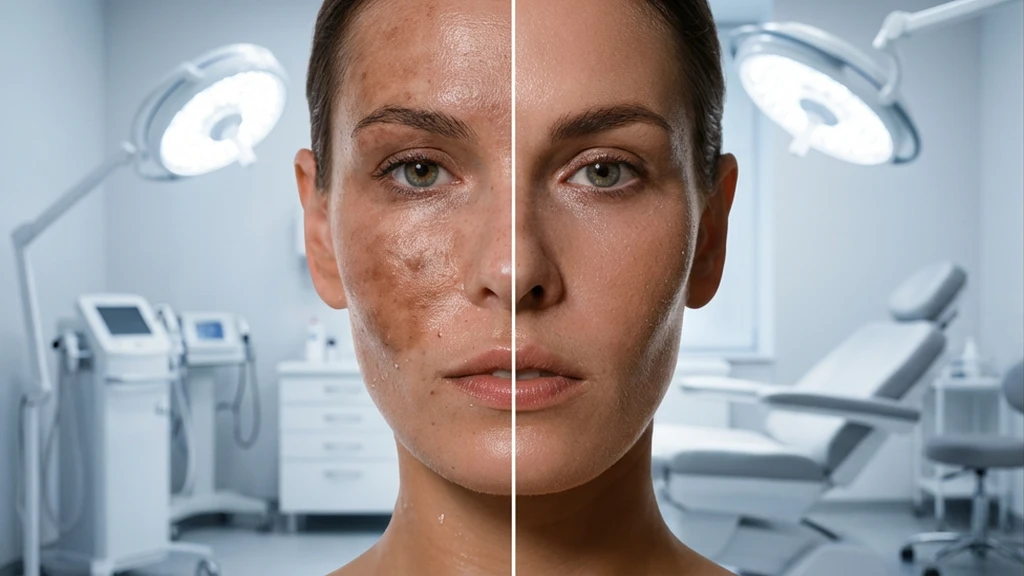
Have you noticed dark patches appearing on your face and wondered, why do I have melasma? You're not alone in this frustrating journey. Melasma affects millions of people worldwide, creating brown or gray patches that seem to appear out of nowhere. Understanding the root causes behind this common skin condition is the first step toward managing it effectively. While melasma can feel overwhelming, knowing what triggers it empowers you to make informed decisions about your skincare routine and lifestyle choices. Let's dive deep into the science behind melasma and uncover the various factors that might be contributing to your skin discoloration.
Melasma is a common skin condition characterized by brown or gray patches that typically appear on the face. These patches develop when melanocytes, the cells responsible for producing skin pigment, become overactive and produce excess melanin in certain areas.
The most obvious melasma symptoms include symmetrical dark patches on both sides of your face. These patches often have irregular borders and can vary in size. Unlike freckles or age spots, melasma patches tend to be larger and more diffuse.
Melasma typically appears on the cheeks, forehead, bridge of the nose, and upper lip. Some people also develop patches on their forearms or other sun-exposed areas. The condition rarely affects areas that don't receive regular sun exposure.
Unlike other skin discoloration causes, melasma patches are usually symmetrical and hormone-related. Age spots tend to be smaller and more defined, while post-inflammatory hyperpigmentation often follows acne or injury patterns.
The two main culprits behind melasma are hormonal fluctuations and ultraviolet radiation exposure. These factors often work together, creating the perfect storm for hyperpigmentation causes to take hold.
Pregnancy hormones, particularly estrogen and progesterone, can trigger melasma development. Birth control pills and hormone replacement therapy can also stimulate melanin production. This explains why melasma causes are more common in women of reproductive age.
UV radiation acts as a catalyst, triggering melanocytes to produce excess pigment. Even brief sun exposure can worsen existing melasma or trigger new patches. Heat and infrared light can also contribute to pigment production, making sunny climates particularly challenging for melasma sufferers.
Beyond the well-known triggers, several lesser-known factors can contribute to melasma development. Understanding these melasma risk factors helps explain why some people develop the condition while others don't.
Family history plays a significant role in melasma development. If your mother or grandmother had melasma, you're more likely to develop it yourself. Certain genetic variations affect how your skin responds to hormonal changes and sun exposure.
Vitamin B12 deficiency has been linked to melasma in some studies. Low levels of folate and other B vitamins may also contribute to skin pigmentation issues. Maintaining proper nutrition supports healthy skin cell function and may help prevent melasma.
Liver dysfunction can affect hormone metabolism, potentially triggering melasma. Certain medications, including some antibiotics and anti-seizure drugs, can also increase photosensitivity and contribute to pigmentation changes.
Many people wonder why melasma appears suddenly when they've never had skin issues before. Several specific melasma triggers can cause rapid onset of this condition.
Pregnancy-related melasma, sometimes called chloasma, affects up to 70% of pregnant women. The dramatic hormone surges during pregnancy can trigger melanocyte activity, especially when combined with sun exposure.
Starting new birth control pills or changing formulations can trigger melasma in susceptible individuals. Similarly, beginning hormone replacement therapy during menopause can activate dormant pigmentation patterns.
Moving to a sunnier climate or taking a tropical vacation can suddenly trigger melasma in people who were previously unaffected. The increased UV exposure overwhelms the skin's natural protective mechanisms.
Effective melasma prevention focuses on minimizing known triggers while supporting overall skin health. Prevention is often easier than treatment, making these strategies crucial for long-term skin wellness.
Daily broad-spectrum sunscreen with SPF 30 or higher is non-negotiable. Reapply every two hours and seek shade during peak sun hours. Wide-brimmed hats and UV-protective clothing provide additional protection.
Avoid harsh scrubs or irritating ingredients that can trigger inflammation. Choose gentle, fragrance-free products designed for sensitive skin. Always patch-test new products before full application.
Work with your healthcare provider to manage hormonal triggers. If you're considering birth control or hormone therapy, discuss melasma risk factors beforehand.
While prevention is ideal, various melasma treatment options can help fade existing patches and prevent new ones from forming. Treatment success depends on consistency and patience.
Hydroquinone remains the gold standard for melasma treatment, often combined with tretinoin and corticosteroids. Vitamin C serums and kojic acid can provide gentler alternatives for sensitive skin.
Chemical peels, laser treatments, and microneedling can accelerate improvement when combined with proper skincare. These treatments should only be performed by experienced professionals familiar with melasma.
Supporting your skin from within through proper nutrition and supplements may enhance treatment results. Antioxidants like vitamin C and E help protect against further damage.
Consistent sun protection is the most important step. Use broad-spectrum sunscreen daily, wear protective clothing, and avoid peak sun hours. Gentle skincare and avoiding known triggers also help prevent progression.
While melasma can significantly fade with proper treatment, complete clearance isn't always possible. Many people achieve substantial improvement that makes the condition barely noticeable with consistent care.
Vitamin B12 deficiency has been linked to melasma development in some studies. Folate and other B vitamin deficiencies may also contribute to skin pigmentation issues.
Sudden melasma onset often results from hormonal changes like pregnancy or starting birth control, increased sun exposure, or underlying health changes affecting hormone levels.
Pregnancy-related melasma sometimes fades after delivery, but most melasma requires active treatment. Without intervention, patches typically persist or worsen over time.
High-glycemic foods that spike blood sugar may worsen inflammation and potentially affect melasma. Focus on anti-inflammatory foods rich in antioxidants instead.
Understanding why you have melasma empowers you to take control of your skin health. While hormones and sun exposure remain the primary triggers, numerous factors can contribute to this complex condition. The key to managing melasma lies in consistent prevention strategies, appropriate treatment choices, and patience with the healing process. Remember that melasma is a common condition affecting millions of people, and with proper care, significant improvement is possible. Focus on protecting your skin daily, working with qualified professionals for treatment, and maintaining realistic expectations about your journey to clearer skin.
