


Underarm Pigmentation: Your Complete Guide
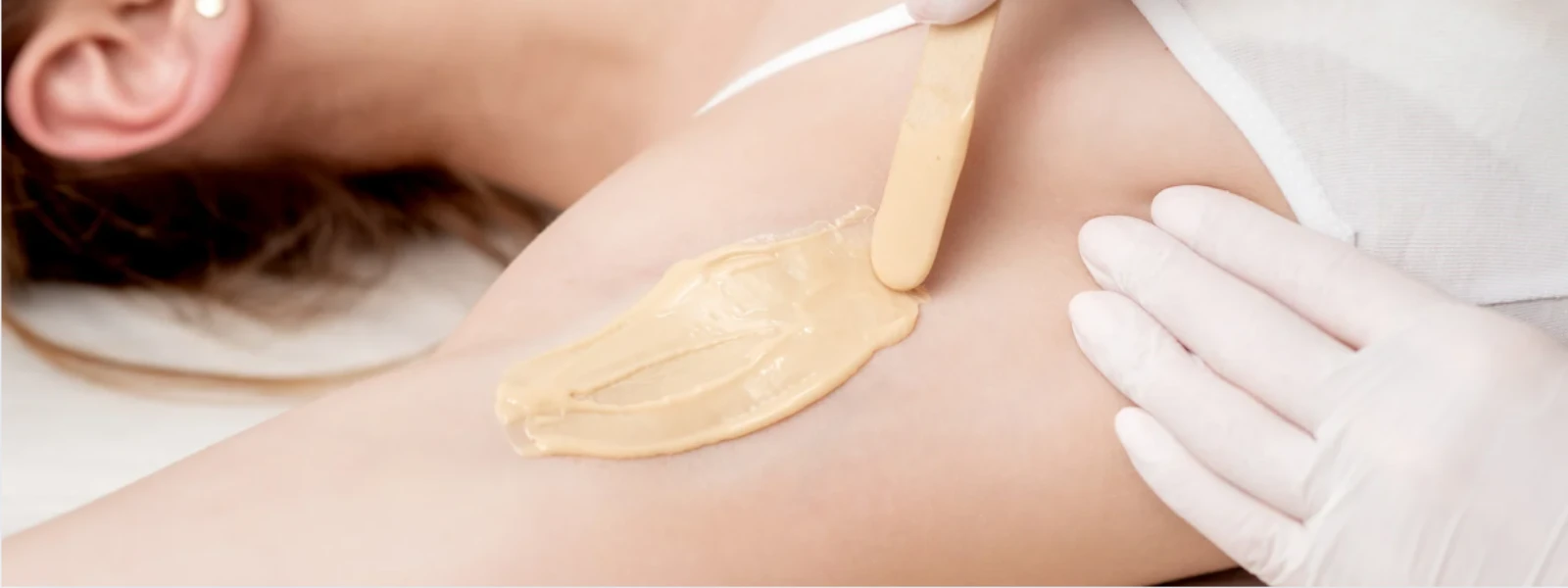
Dark underarms can feel like an unwelcome surprise, especially when you're getting ready for sleeveless tops or swimwear. You're definitely not alone in this concern. Underarm pigmentation affects millions of people worldwide, and the good news is that there are proven ways to address it. Whether you're dealing with mild discoloration or more noticeable darkening, understanding the causes and treatment options can help you regain confidence. Let's explore everything you need to know about how to remove underarm pigmentation and achieve the even-toned skin you're looking for.
Underarm pigmentation happens when your skin produces excess melanin in response to various triggers. This process isn't just cosmetic - it often signals underlying factors that need attention. The delicate skin in your underarm area is particularly susceptible to darkening because it's constantly exposed to friction, moisture, and various products. Several medical conditions can contribute to underarm discoloration. Acanthosis nigricans, often linked to insulin resistance and diabetes, creates thick, dark patches. Hormonal changes during pregnancy, PCOS, or thyroid disorders can also trigger hyperpigmentation underarms. Sometimes, the darkening is your skin's response to chronic irritation from tight clothing, frequent shaving, or harsh deodorants.
Friction tops the list of underarm pigmentation causes. When fabric rubs against your skin repeatedly, it triggers inflammation that leads to darkening. Shaving can have a similar effect, especially if you use dull razors or shave too frequently. The constant irritation creates micro-injuries that heal with increased pigmentation. Deodorants and antiperspirants containing aluminum, fragrances, or alcohol can cause contact dermatitis. Your skin reacts to these ingredients with inflammation, which often results in post-inflammatory hyperpigmentation. Some people are more sensitive than others, making product selection crucial for prevention.
Post-inflammatory hyperpigmentation appears after any skin injury or irritation heals. This type responds well to gentle treatments and usually fades over time with proper care. Melasma-related darkening often has hormonal triggers and may require more intensive treatment approaches. Contact dermatitis pigmentation results from allergic reactions to products or materials. Identifying and avoiding the trigger is essential for both treatment and prevention. Age-related skin changes happen gradually as your skin's natural renewal process slows down, making pigmentation more persistent.
Nature offers several gentle yet effective options for addressing underarm discoloration. These natural remedies for dark underarms work by exfoliating dead skin cells, reducing inflammation, and gradually lightening pigmented areas. The key is consistency and patience, as natural treatments typically take longer to show results than commercial products. Most natural remedies work through gentle exfoliation or mild bleaching properties. Ingredients like lemon juice contain natural acids that help remove dead skin cells and lighten pigmentation. However, it's important to use these remedies carefully to avoid irritation, especially in the sensitive underarm area.
Lemon juice mixed with baking soda creates a gentle exfoliating paste. Apply this mixture for 10-15 minutes before rinsing thoroughly. The citric acid helps lighten pigmentation while baking soda provides mild exfoliation. Always follow with a moisturizer to prevent dryness. Potato slices contain vitamin C and mild enzymes that can help lighten dark spots. Simply rub fresh potato slices on clean underarms for 10 minutes daily. This method is extremely gentle and suitable for sensitive skin types.
Coconut oil provides deep moisturization while its lauric acid content offers mild antimicrobial benefits. Regular application can help prevent the dryness and irritation that contribute to pigmentation. Use virgin, unrefined coconut oil for best results. Aloe vera gel soothes inflammation and promotes healing. Its natural compounds help reduce the inflammatory response that leads to pigmentation. Fresh aloe gel works best, but pure commercial preparations are also effective.
Turmeric and milk paste combines anti-inflammatory properties with gentle exfoliation. Mix one teaspoon of turmeric powder with enough milk to form a paste. Apply for 15 minutes before rinsing. This combination is particularly effective for inflammation-related darkening. Oatmeal mixed with honey creates a nourishing exfoliating treatment. The oatmeal gently removes dead skin cells while honey provides antibacterial and moisturizing benefits. Use this scrub 2-3 times weekly for best results.
When natural remedies aren't providing the results you want, professional underarm discoloration treatment options can offer more dramatic improvements. These treatments use scientifically proven ingredients and technologies to target pigmentation more effectively than home remedies alone. Professional treatments work faster because they use higher concentrations of active ingredients or advanced technologies. However, they also require proper guidance from skincare professionals to ensure safety and effectiveness. The investment in professional treatment often pays off with more predictable and lasting results.
Retinol-based creams accelerate cell turnover, helping to shed pigmented skin cells faster. Start with lower concentrations to build tolerance, as retinol can cause initial irritation. These products work best when used consistently over several months. AHA and BHA acids like glycolic, lactic, and salicylic acid provide chemical exfoliation. They dissolve the bonds between dead skin cells, revealing fresher, more even-toned skin underneath. Glycolic acid is particularly effective for pigmentation, while salicylic acid works well for those prone to ingrown hairs.
Laser therapy targets melanin deposits directly, breaking them down so your body can naturally eliminate them. Different laser types work for different skin tones, so professional assessment is crucial. Results are often visible after 3-6 sessions. Chemical peels use controlled acid solutions to remove layers of pigmented skin. Professional peels are stronger than at-home options and provide more dramatic results. Recovery time varies depending on peel depth.
Look for products containing proven lightening ingredients like kojic acid, alpha arbutin, or vitamin C. These best products for underarm discoloration often combine multiple active ingredients for enhanced effectiveness. Always patch test new products before full application. Prescription options like hydroquinone or tretinoin offer stronger pigmentation-fighting power but require medical supervision. These products can provide significant improvement but may cause irritation if not used properly.
Creating a systematic approach to how to lighten underarms ensures you're addressing all factors that contribute to pigmentation. A well-structured routine combines gentle exfoliation, targeted treatments, and protective measures to achieve and maintain results. Consistency is more important than intensity when it comes to underarm lightening. Gentle, regular care produces better results than aggressive treatments that can cause irritation and worsen pigmentation. Your routine should be sustainable and fit into your daily life.
Morning care should focus on gentle cleansing and protection. Use a mild, pH-balanced cleanser to remove overnight buildup without stripping natural oils. Follow with a lightweight moisturizer containing SPF if your underarms will be exposed to sunlight. Evening treatments can include active ingredients like vitamin C serums or gentle acids. Apply these products to clean, dry skin and allow full absorption before applying deodorant or going to bed. This timing maximizes ingredient effectiveness.
Gentle exfoliation 2-3 times weekly helps remove dead skin cells that can make pigmentation appear darker. Use soft washcloths, gentle scrubs, or chemical exfoliants designed for sensitive skin. Over-exfoliation can worsen pigmentation, so start slowly and increase frequency gradually. Physical exfoliation should be done with light pressure using circular motions. Chemical exfoliants like AHA or BHA products provide more even results with less risk of irritation. Always follow exfoliation with moisturizer to maintain skin barrier function.
Proper hydration prevents the dryness and irritation that can worsen pigmentation. Choose fragrance-free, hypoallergenic moisturizers that won't clog pores or cause reactions. Ingredients like ceramides, hyaluronic acid, and niacinamide provide hydration while supporting skin barrier repair. Sun protection is crucial if your underarms are exposed to UV rays. Even brief exposure can darken existing pigmentation and create new spots. Use broad-spectrum SPF 30 or higher when wearing sleeveless clothing.
Prevention is always easier than treatment when it comes to underarm pigmentation. By addressing the root causes and making simple lifestyle adjustments, you can prevent new darkening while supporting your treatment efforts. Small changes in your daily routine can make a significant difference over time. The goal is to minimize irritation and inflammation while maintaining healthy skin function. This approach not only prevents pigmentation but also improves overall skin health and comfort in the underarm area.
Proper shaving technique can prevent much of the irritation that leads to pigmentation. Use sharp, clean razors and shave in the direction of hair growth. Consider alternatives like waxing or laser hair removal if shaving consistently causes problems. Clothing choices matter more than you might think. Loose-fitting, breathable fabrics reduce friction and allow air circulation. Natural fibers like cotton are generally better than synthetic materials that can trap moisture and cause irritation.
Choose aluminum-free deodorants if you suspect your current product is contributing to darkening. Look for formulations with natural antibacterial ingredients like tea tree oil or zinc oxide. Fragrance-free options reduce the risk of allergic reactions. Gentle, pH-balanced cleansers maintain your skin's natural protective barrier. Avoid harsh soaps or antibacterial products that can disrupt the skin's microbiome and cause irritation.
Once you achieve your desired results, maintenance becomes key to preventing recurrence. Continue using gentle products and protective measures even after pigmentation improves. Regular moisturizing and sun protection should become permanent habits. Monitor your progress with photos taken in consistent lighting. This helps you track improvements and identify any factors that might be causing setbacks. Adjust your routine as needed based on your skin's response.
Natural remedies typically show initial improvements in 4-6 weeks with consistent use. Professional treatments may show results faster, sometimes within 2-3 weeks. Complete improvement can take 3-6 months depending on the severity of pigmentation and treatment method used.
Most cases of underarm pigmentation can be significantly improved or completely resolved with appropriate treatment. However, results depend on the underlying cause, skin type, and consistency of treatment. Some genetic or medical conditions may require ongoing management rather than complete elimination.
Most natural remedies are gentler than commercial treatments, but they can still cause irritation in sensitive individuals. Always patch test new ingredients and start with short application times. Discontinue use if you experience redness, burning, or increased irritation.
Deodorant stains appear as white or yellowish buildup on clothing and can create temporary darkening on skin. True pigmentation involves changes in melanin production and appears as brown or black discoloration that doesn't wash off with regular cleansing.
Consult a dermatologist if darkening appears suddenly, is accompanied by other symptoms like itching or thickness, or doesn't improve with consistent home treatment after 3 months. Rapid changes in pigmentation can sometimes indicate underlying medical conditions that need professional evaluation.
Underarm pigmentation is a common concern with multiple effective treatment options available. Understanding the underlying causes helps you choose the most appropriate treatment approach and prevent recurrence. Whether you prefer natural remedies or professional treatments, consistency and patience are essential for achieving lasting results. Remember that gentle, consistent care produces better outcomes than aggressive treatments that can cause irritation. Focus on addressing the root causes while supporting your skin's natural healing processes. With the right approach, you can achieve the even-toned, confident underarms you're looking for.
