

Unclog Pores: Ultimate Acne Treatment Guide
Dealing with clogged pores and acne can feel overwhelming, especially when you're not sure where to start. The good news is that effective pore treatment for acne doesn't have to be complicated or expensive. Whether you're struggling with blackheads, whiteheads, or enlarged pores that seem to trap dirt and oil, there are proven strategies that can help you achieve clearer, healthier skin. Understanding how your pores work and why they get clogged is the first step toward finding the right treatment approach for your unique skin needs.
Your pores are tiny openings in your skin that allow oil and sweat to reach the surface. When everything works properly, this natural process helps keep your skin moisturized and healthy. However, problems arise when pores become clogged with excess oil, dead skin cells, and bacteria. Several factors contribute to clogged pores. Hormonal changes can increase oil production, making your skin more prone to blockages. Genetics also play a role in determining your pore size and how much oil your skin produces. Environmental factors like pollution and humidity can make the problem worse by adding more debris to your skin's surface.
When pores become clogged, the trapped oil and dead skin cells create an ideal environment for bacteria to grow. This leads to inflammation and the formation of different types of acne lesions. Blackheads form when the clog stays open to the surface, while whiteheads develop when the pore closes over the blockage.
Pore size is largely determined by genetics, but other factors can make them appear larger. When pores are clogged with oil and debris, they stretch to accommodate the buildup. Sun damage can also break down the collagen around pores, making them look more prominent.
Dermatologists offer several effective treatments for stubborn acne and enlarged pores. These professional options often provide faster and more dramatic results than at-home treatments, especially for severe cases. Retinoid therapy is considered the gold standard for treatment for enlarged pores acne. Prescription retinoids like tretinoin work by increasing cell turnover and preventing dead skin cells from clogging pores. They also help reduce oil production and can improve the appearance of acne scars over time.
Chemical peels use acids to remove the top layer of dead skin cells, revealing smoother skin underneath. For acne-prone skin, salicylic acid peels are particularly effective because they can penetrate into pores and dissolve oil buildup. Laser treatments like fractional CO2 and IPL can help reduce pore size and improve skin texture. These treatments work by stimulating collagen production, which helps tighten the skin around pores.
Microneedling creates tiny wounds in the skin that trigger the body's natural healing process. This treatment can help reduce the appearance of enlarged pores and acne scars by promoting collagen production and skin renewal.
Salicylic acid for acne pores is one of the most effective over-the-counter treatments available. This beta-hydroxy acid is oil-soluble, which means it can penetrate deep into pores to dissolve the oil and dead skin cells that cause blockages. Unlike other acids that only work on the skin's surface, salicylic acid can get inside pores and clean them from within. This makes it particularly effective for blackheads and whiteheads. It also has anti-inflammatory properties that help reduce redness and swelling associated with acne.
Start with a low concentration (0.5% to 1%) and use it every other day to allow your skin to adjust. You can gradually increase frequency as your skin builds tolerance. Always follow up with a moisturizer, as salicylic acid can be drying. Avoid using salicylic acid with other strong actives like retinoids or benzoyl peroxide initially, as this can cause irritation. If you want to combine treatments, introduce them slowly and consider alternating days.
You don't always need expensive treatments to see improvements in your skin. Many effective pore cleansing for acne methods can be done at home with readily available products. Clay masks are excellent for absorbing excess oil and drawing impurities out of pores. Bentonite and kaolin clays are particularly effective for acne-prone skin. Use a clay mask once or twice a week to avoid over-drying your skin.
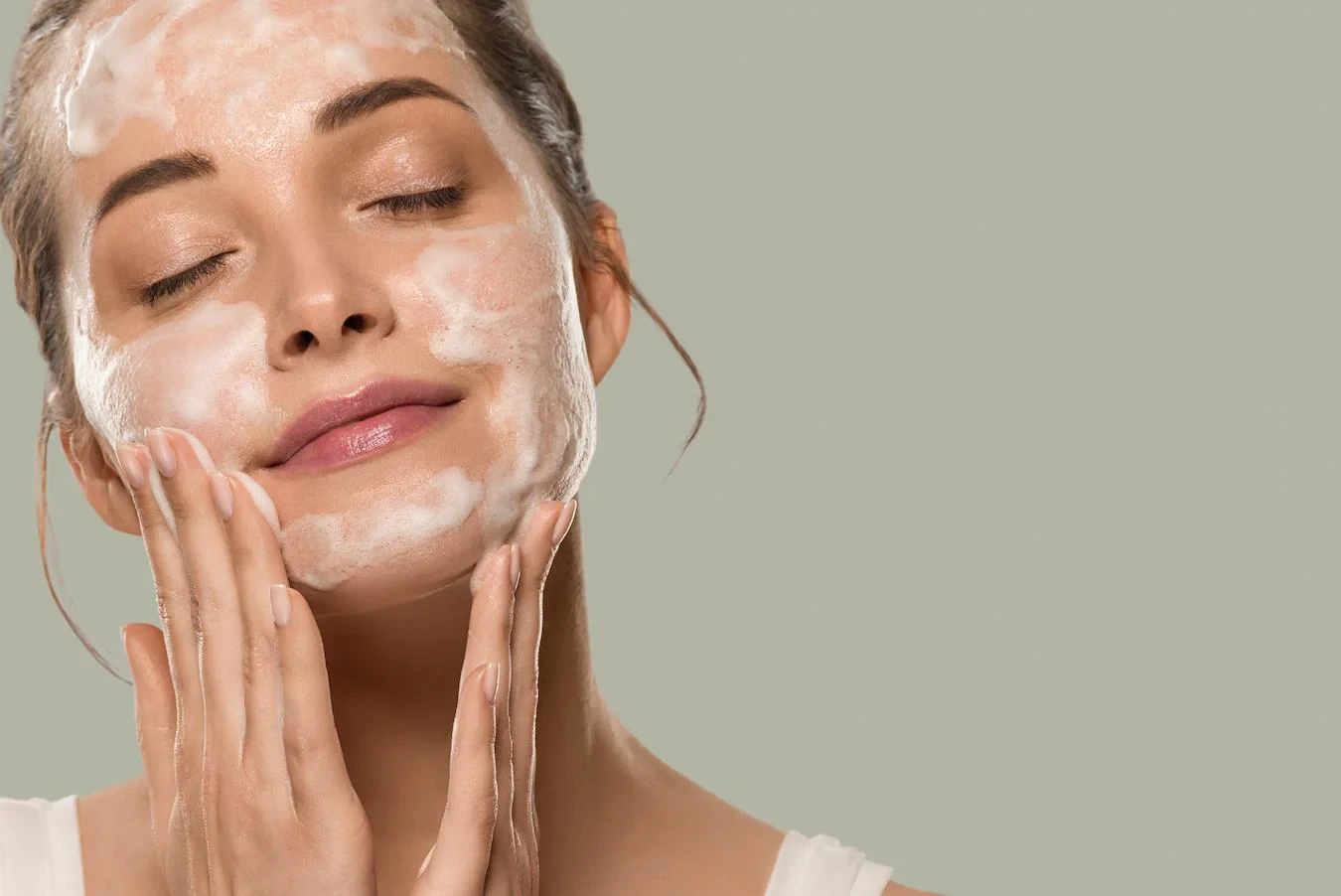
A consistent skincare routine is crucial for preventing clogged pores. Start with a gentle cleanser that removes oil and debris without stripping your skin. Look for non-comedogenic products that won't clog pores. Niacinamide is another powerful ingredient for pore minimizing treatment acne. This form of vitamin B3 helps regulate oil production and can make pores appear smaller over time. It's gentle enough to use twice daily and works well with other acne treatments.
Steam can help soften the contents of clogged pores, making them easier to clear. Hold your face over a bowl of hot water for 5-10 minutes, then gently cleanse with a soft washcloth. Never squeeze or pick at your skin, as this can cause scarring and spread bacteria.
Many people with acne also struggle with dark spots and uneven skin tone. Hyperpigmentation acne treatment requires a different approach than treating active breakouts, but both issues can often be addressed simultaneously. Vitamin C is a powerful antioxidant that can help fade dark spots while protecting your skin from further damage. Use a vitamin C serum in the morning, followed by sunscreen to prevent new pigmentation from forming.
Sun exposure can worsen both acne and hyperpigmentation. Use a broad-spectrum SPF 30 or higher every day, even when it's cloudy. Look for non-comedogenic formulas that won't clog your pores. Ingredients like kojic acid, arbutin, and licorice root extract can also help fade dark spots over time. These are gentler alternatives to hydroquinone and can be used long-term for maintenance.
Most people start seeing improvements in 4-6 weeks with consistent treatment. However, significant changes in pore appearance and acne reduction typically take 3-6 months of regular use.
While you can't permanently change your pore size (it's largely genetic), you can minimize their appearance by keeping them clean and using treatments that improve skin texture and firmness.
It's generally safer to let a professional handle extractions. If you must do it yourself, only attempt it after steaming and use clean tools. Never force stubborn blackheads, as this can cause scarring.
Blackheads are actual clogs that can be extracted, while sebaceous filaments are natural oil channels that return quickly after removal. Sebaceous filaments are normal and don't need aggressive treatment.
Effective pore treatment for acne requires patience and consistency. Start with gentle, proven ingredients like salicylic acid and build your routine gradually. Remember that everyone's skin is different, so what works for others might not work for you immediately. Focus on maintaining a consistent routine rather than constantly switching products. If over-the-counter treatments aren't giving you the results you want after 3 months, consider consulting a dermatologist for stronger options. Most importantly, be gentle with your skin and avoid harsh scrubbing or picking, which can make both acne and pore problems worse.
