

Ultimate Guide: Skincare Routine to Fade Hyperpigmentation
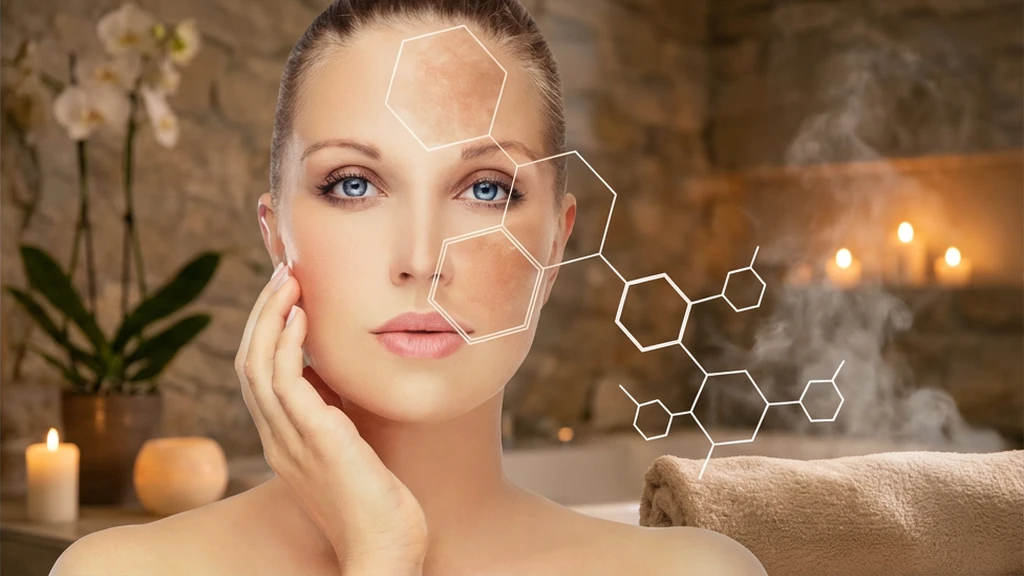
Dark spots and uneven skin tone affect nearly 90% of people by age 50, making hyperpigmentation one of the most common skin concerns worldwide. Whether you're dealing with acne marks, melasma, or sun damage, the right skincare routine can make a dramatic difference. This comprehensive guide reveals the best skincare routine for hyperpigmentation that dermatologists recommend, with evidence-based steps that deliver visible results in 8-12 weeks. You'll discover which ingredients actually work, how to layer them properly, and why your current routine might be making things worse.
Hyperpigmentation occurs when your skin produces excess melanin in response to inflammation, hormones, or UV damage. This creates those stubborn dark patches that seem impossible to fade. The process involves complex cellular mechanisms where melanocytes become overactive, depositing pigment unevenly across your skin's surface.
Post-inflammatory hyperpigmentation (PIH) appears after acne, cuts, or any skin injury. These marks are typically brown or black and fade slowly without treatment. Melasma creates symmetrical patches on the face, often triggered by hormones or pregnancy. Solar lentigines are age spots from cumulative sun damage, while drug-induced hyperpigmentation results from certain medications.
Most people make critical mistakes that actually worsen uneven skin tone. Over-exfoliating irritates skin and triggers more pigment production. Using harsh ingredients without proper sun protection creates a cycle where new dark spots form faster than old ones fade. Additionally, many routines lack the specific active ingredients needed for effective hyperpigmentation treatment.
This science-backed routine targets multiple pathways of pigment formation while protecting your skin barrier. Consistency is crucial – expect to see initial improvements around week 4, with significant dark spots removal by week 8-12.
Step 1: Gentle Cleansing
Start with a pH-balanced cleanser that removes overnight buildup without stripping your skin. Avoid sulfates and harsh detergents that can trigger inflammation. Step 2: Vitamin C for Hyperpigmentation
Vitamin C for hyperpigmentation works as both an antioxidant and brightening agent. L-ascorbic acid offers the most potent results, while magnesium ascorbyl phosphate provides gentler benefits for sensitive skin. Apply 2-3 drops to clean skin and wait 10 minutes before the next step. Step 3: Hydrating Serum
Layer a lightweight, non-comedogenic moisturizer to maintain your skin barrier. Look for ingredients like hyaluronic acid and ceramides that support healing. Step 4: Broad-Spectrum Sunscreen
This step is absolutely non-negotiable for any skin brightening routine. Our Indian skin needs high-power, yet lightweight sun protection. One that doesn't weigh it down or leave dulling white-casts. Melanin-rich skin like ours is also prone to sun-induced wear and tear, and uneven skin tone. This ultra lightweight, aqua-sunscreen with SPF 50 is broad-spectrum sun defence in a dewy, rejuvenating glow. It absorbs quickly into skin for a next-to-nothing feeling; no heaviness nor ashy white-cast.
Step 1: Double Cleansing
Remove sunscreen and makeup with an oil cleanser, followed by your gentle water-based cleanser. This ensures all barriers to active ingredient penetration are removed. Step 2: Chemical Exfoliation (2-3x Weekly)
Alternate between AHA and BHA acids. Glycolic acid accelerates cell turnover, while salicylic acid penetrates pores to prevent new breakouts that could cause PIH. Step 3: Targeted Treatment Serums
Alpha arbutin benefits include gentle melanin inhibition without the irritation of hydroquinone. Kojic acid serum naturally blocks tyrosinase, the enzyme responsible for melanin production. Azelaic acid for skin provides dual benefits – reducing inflammation while inhibiting pigment formation. Layer these from thinnest to thickest consistency. Step 4: Retinoid Integration
After 4 weeks of building tolerance, introduce retinol or prescription retinoids. These accelerate cell turnover and help fade existing pigmentation while preventing new spots.
Beyond basic routines, certain approaches can dramatically accelerate your results. Understanding how to combine ingredients safely maximizes their effectiveness while minimizing irritation.
The order of application matters significantly. Water-based serums go first, followed by oil-based treatments, then moisturizers. Wait 10-15 minutes between active ingredients to prevent interactions that could reduce effectiveness or cause irritation.
For stubborn melasma treatment, combining at-home care with professional procedures often yields the best results. Chemical peels, microneedling, and laser treatments can jumpstart the process, while your daily routine maintains and enhances the improvements.
Many people experience setbacks during their hyperpigmentation treatment journey. Understanding these challenges helps you stay consistent and achieve better results.
When you start using active ingredients, your skin might temporarily look worse before improving. This "purging" phase typically lasts 4-6 weeks as deeper pigmentation rises to the surface. Continue your routine unless you experience true irritation – redness, burning, or excessive dryness.
Your routine may need modifications based on weather and sun exposure. Summer requires more frequent sunscreen reapplication and potentially gentler active ingredients. Winter allows for stronger treatments but demands extra hydration to prevent barrier damage.
A good routine includes gentle cleansing, vitamin C in the morning, targeted treatment serums in the evening, and consistent broad-spectrum sun protection. The key is using proven ingredients like alpha arbutin, kojic acid, and azelaic acid consistently for 8-12 weeks.
The most effective products contain active ingredients like vitamin C, alpha arbutin, kojic acid, azelaic acid, or prescription retinoids. Look for formulations specifically designed for your skin type and pigmentation concerns.
Yes, but use vitamin C in the morning and retinol at night. This prevents potential interactions while maximizing the benefits of both ingredients for fading dark spots.
Most people notice initial improvements around 4-6 weeks, with significant fading visible by 8-12 weeks. Deeper pigmentation may take 3-6 months to fully resolve.
The best skincare routine for hyperpigmentation combines prevention with active treatment. Morning protection with vitamin C and sunscreen prevents new damage, while evening treatments with alpha arbutin, kojic acid, and azelaic acid work to fade hyperpigmentation over time. Remember that consistency trumps perfection – a simple routine followed daily will always outperform an elaborate routine used sporadically. Start with gentler ingredients, build tolerance gradually, and be patient with the process. Your skin's natural renewal cycle takes time, but with the right approach, you can achieve the even, radiant complexion you've been seeking.
