


The Ultimate Checklist: What Causes Skin Pigmentation & How to Address It
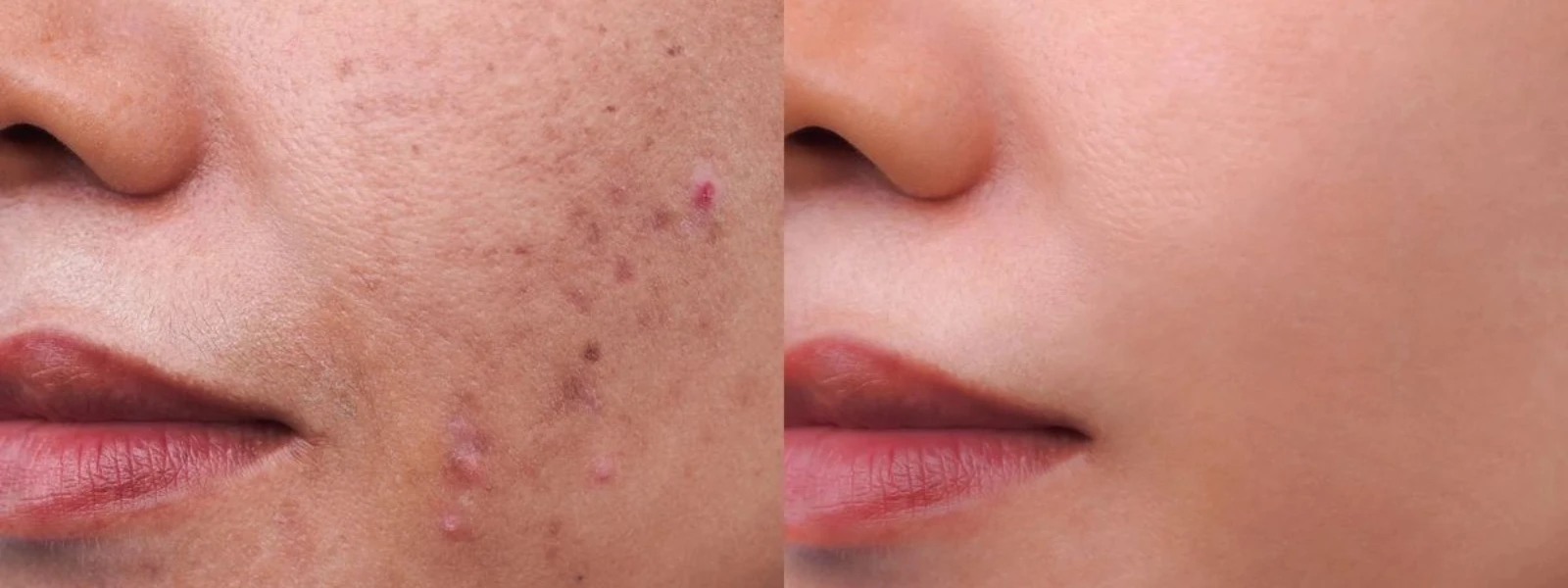
Nearly 90% of people over 50 develop some form of skin pigmentation, making it one of the most common skin concerns worldwide. Whether you're dealing with stubborn dark spots, uneven patches, or sudden changes in your skin tone, understanding what causes skin pigmentation is the first step toward achieving clearer, more radiant skin. Melanin, the pigment responsible for our skin color, plays a crucial role in this process. When melanin production goes into overdrive or becomes uneven, it creates the various forms of hyperpigmentation we see. This comprehensive guide will walk you through the science behind pigmentation, identify the key triggers, and provide you with actionable solutions to address and prevent future discoloration.
Skin pigmentation occurs when specialized cells called melanocytes produce melanin, the natural pigment that gives our skin its color. This process is completely normal and serves as our body's natural defense against harmful UV radiation. However, when melanin production becomes irregular or excessive, it leads to various forms of hyperpigmentation and skin discoloration.
The melanin production process involves a complex enzyme called tyrosinase, which converts the amino acid tyrosine into melanin. When your skin encounters triggers like UV exposure, inflammation, or hormonal changes, it signals melanocytes to ramp up production. This increased activity can result in localized dark spots, widespread uneven skin tone, or patches of hyperpigmentation that persist long after the initial trigger has disappeared.
Normal pigmentation provides even skin tone and natural protection. Abnormal pigmentation happens when melanocytes become overactive in specific areas or when the distribution of melanin becomes uneven. Genetic factors also influence how much melanin your skin naturally produces and how it responds to various triggers.
Understanding the root causes of pigmentation helps you identify your specific triggers and choose the most effective treatment approach. Here are the seven most common culprits behind hyperpigmentation causes and how they affect your skin.
Sun exposure pigmentation remains the leading cause of skin discoloration worldwide. UV radiation triggers immediate melanin production as a protective response, but repeated exposure leads to cumulative damage and persistent dark spots. Even brief, unprotected sun exposure can activate melanocytes and worsen existing pigmentation.
Hormonal pigmentation, particularly melasma, affects millions of people, especially during pregnancy, menopause, or when using hormonal contraceptives. Estrogen and progesterone fluctuations can trigger melanocyte activity, creating symmetrical patches of darkened skin, typically on the face.
Post-inflammatory hyperpigmentation develops after skin trauma, acne breakouts, eczema flares, or any inflammatory skin condition. When skin heals from injury or inflammation, it often produces excess melanin in the affected area, leaving behind persistent dark marks that can take months or years to fade naturally.
Your genetic makeup significantly influences your pigmentation patterns and susceptibility to dark spots. Variations in genes like MC1R determine your baseline melanin production and how your skin responds to environmental triggers. Family history often provides clues about your pigmentation risks.
Certain medications, including antimalarials, chemotherapy drugs, and some antibiotics, can cause drug-induced pigmentation. Medical conditions like Addison's disease, thyroid disorders, and autoimmune conditions can also trigger widespread skin darkening or unusual pigmentation patterns.
Age spots develop as cumulative sun damage becomes visible over time. Years of UV exposure, combined with natural cellular aging processes, lead to concentrated areas of melanin that appear as brown spots, particularly on sun-exposed areas like hands, face, and shoulders.
Environmental pollutants, chemical irritants, and even nutritional deficiencies can contribute to pigmentation issues. Poor air quality, harsh skincare products, and inadequate antioxidant intake can all trigger inflammatory responses that lead to uneven skin tone.
Identifying your specific type of pigmentation helps determine the most effective treatment approach. Different types of dark spots on skin respond better to certain treatments, making accurate identification crucial for success.
Solar lentigines, commonly called sun spots or liver spots, appear as well-defined brown patches on sun-exposed areas. Melasma creates symmetrical patches, often in a butterfly pattern across the cheeks and forehead. Post-acne marks typically appear as small, round dark spots where breakouts previously occurred.
Uneven skin tone can manifest as overall dullness, patchy areas of different shades, or subtle variations in skin color across different areas of your face or body. This type of pigmentation often results from combination factors and requires comprehensive treatment approaches.
Effective skin pigmentation treatment often requires a multi-faceted approach combining prevention, active ingredients, and sometimes professional interventions. The key is consistency and patience, as most treatments require several months to show significant results.
Several proven ingredients can help fade existing pigmentation and prevent new dark spots from forming:
Vitamin C - Powerful antioxidant that inhibits melanin production and brightens existing spots
Niacinamide - Reduces inflammation and helps regulate melanin transfer
Alpha arbutin - Gentle alternative to hydroquinone that gradually lightens dark spots
Kojic acid - Natural ingredient that inhibits tyrosinase enzyme activity
Retinoids - Accelerate cell turnover and help fade pigmentation over time
Professional treatments can provide faster, more dramatic results for stubborn pigmentation. Chemical peels remove damaged skin layers, while laser treatments target melanin deposits directly. Microneedling and professional-grade topicals can also accelerate the fading process when used under dermatological supervision.
Preventing new pigmentation is often easier and more effective than treating existing dark spots. A comprehensive prevention strategy addresses all potential triggers while supporting your skin's natural healing processes.
Broad-spectrum SPF 30 or higher should be applied daily, regardless of weather or season. Reapplication every two hours during sun exposure is crucial, and physical barriers like hats and sunglasses provide additional protection for vulnerable facial areas.
Avoiding harsh scrubbing, picking at blemishes, and using irritating products helps prevent post-inflammatory hyperpigmentation. Gentle, consistent skincare routines support skin barrier function and reduce inflammation that can trigger pigmentation.
Effective pigmentation removal typically requires combining topical treatments with sun protection and sometimes professional procedures. Most people see improvement within 3-6 months of consistent treatment, though complete fading may take longer depending on the type and depth of pigmentation.
Sudden pigmentation often results from hormonal changes, new medications, increased sun exposure, or recent skin trauma. Pregnancy, menopause, and starting birth control are common triggers for new pigmentation development.
Some types of pigmentation, particularly post-inflammatory hyperpigmentation, may fade naturally over 6-24 months. However, sun-induced pigmentation and melasma typically require active treatment to see significant improvement.
UV exposure remains the primary cause of skin pigmentation worldwide. Even minimal sun exposure can trigger melanin production and worsen existing dark spots, making daily sun protection essential for prevention and treatment.
Understanding what causes skin pigmentation empowers you to make informed decisions about prevention and treatment. While multiple factors can trigger hyperpigmentation, sun exposure remains the most significant and preventable cause. Successful treatment requires patience, consistency, and often a combination of approaches tailored to your specific pigmentation type. Remember that prevention is always more effective than treatment, making daily sun protection and gentle skincare practices your first line of defense against future dark spots and uneven skin tone.
