


Sun Exposure & Pigmentation: Your Complete Guide
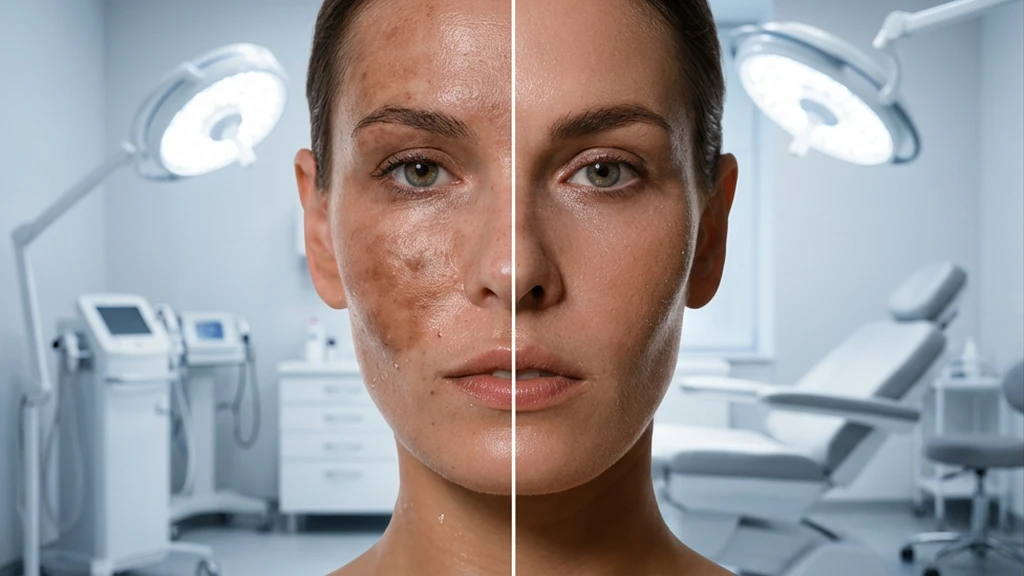
Ever noticed how a day at the beach leaves you with more than just memories? That golden glow might seem appealing at first, but those dark spots and uneven patches that appear weeks later tell a different story. Sun exposure pigmentation affects millions of people worldwide, creating everything from light freckles to stubborn dark spots that seem impossible to fade. Understanding how UV radiation triggers these changes in your skin is the first step toward both treating existing damage and preventing future discoloration. The relationship between sun exposure and pigmentation is complex, involving your skin's natural defense mechanisms and cellular processes that can sometimes work against you.
When ultraviolet rays penetrate your skin, they trigger a cascade of cellular responses designed to protect you from DNA damage. This process involves multiple layers of your skin and various types of cells working together in what seems like a coordinated defense system.
UV-A and UV-B radiation affect your skin differently, but both contribute to hyperpigmentation causes. UV-B rays primarily damage the surface layer of skin, while UV-A rays penetrate deeper into the dermis. When these rays hit melanocytes (pigment-producing cells), they activate a hormone called alpha-MSH, which signals the cells to produce more melanin. This increased melanin production is your skin's attempt to create a natural sunscreen, but the process often results in uneven distribution and excess pigmentation in certain areas.
Melanin acts as your body's built-in protection against UV radiation skin damage. The pigment absorbs harmful rays before they can cause serious cellular damage. However, this protective mechanism isn't perfect. Some areas of your face and body are more prone to pigmentation than others due to factors like skin thickness, hormone levels, and previous sun damage. Individual skin types also respond differently, with some people developing freckles while others experience larger patches of discoloration.
Not all sun induced hyperpigmentation looks the same. Different types of pigmentation develop through various mechanisms and require different approaches for treatment. Understanding which type you're dealing with helps determine the most effective treatment strategy.
These flat, brown spots typically appear on areas with the most sun exposure, like your face, hands, shoulders, and arms. Sunspots skin damage accumulates over years of UV exposure, often becoming visible in your 40s and beyond. They're essentially areas where melanin has clumped together due to repeated sun damage. Unlike freckles, which often fade in winter, age spots tend to persist year-round and may darken with continued sun exposure.
Melasma creates symmetrical patches of brown or gray pigmentation, typically on the cheeks, forehead, and upper lip. While hormones trigger melasma, sun exposure significantly worsens the condition. Pregnancy hormones and birth control pills can make your skin more sensitive to UV rays, leading to more pronounced pigmentation. This type of hyperpigmentation often requires ongoing management rather than a one-time treatment.
When acne, cuts, or other skin trauma heal, they sometimes leave dark marks behind. Sun exposure can darken these marks significantly, making them more noticeable and longer-lasting. This is why dermatologists always emphasize sun protection during acne treatment and wound healing.
The permanence of sun-induced pigmentation depends on several factors, including the depth of melanin deposits and your skin's natural repair capacity. Understanding these factors helps set realistic expectations for treatment and recovery.
Your skin naturally sheds and renews itself every 28 days through a process called cell turnover. Surface-level pigmentation often fades as new, unpigmented cells replace the damaged ones. However, when melanin deposits form deeper in the skin or when the pigment-producing cells themselves are damaged, the discoloration becomes more persistent. Uneven skin tone sun damage that affects deeper layers requires more intensive treatment approaches.
The depth of melanin deposits plays a crucial role in how easily pigmentation fades. Surface-level pigmentation responds well to topical treatments and natural exfoliation. Deeper deposits may require professional intervention. Cumulative sun exposure effects also matter - years of damage create more stubborn pigmentation than a single intense sunburn. Age affects your skin's repair capacity, with younger skin generally recovering more quickly from pigmentation.
Recovery timelines vary significantly based on the type and severity of pigmentation. Setting realistic expectations helps you stay committed to treatment and avoid switching products too quickly.
Surface-level pigmentation from recent sun exposure typically begins fading within a few weeks of consistent treatment and sun protection. The natural exfoliation process helps remove pigmented cells, while new, healthy cells take their place. Most people see significant improvement in mild cases within three to six months of starting a proper skincare routine.
Deeper pigmentation and established age spots resist fading because the melanin deposits sit in lower skin layers. These spots may require six months to two years of consistent treatment to see substantial improvement. Professional interventions often speed up this timeline, but patience remains essential for achieving the best results.
Effective pigmentation treatment often combines multiple approaches for optimal results. The key is choosing treatments appropriate for your skin type and pigmentation severity.
Hydroquinone remains the gold standard for sunspot removal, working by inhibiting melanin production. Vitamin C and kojic acid offer gentler alternatives with antioxidant benefits. Retinoids accelerate cell turnover, helping pigmented cells shed more quickly while promoting the growth of new, healthy skin cells. These ingredients work best when combined in a comprehensive routine.
Laser skin resurfacing removes damaged skin layers while stimulating collagen production for overall skin improvement. Chemical peels use acids to remove surface pigmentation and promote cell renewal. IPL (Intense Pulsed Light) therapy targets specific pigmented areas without affecting surrounding skin. These treatments typically require multiple sessions spaced several weeks apart.
Most people begin seeing improvement within 6-8 weeks of starting treatment, with significant changes visible at the 3-6 month mark. Combination therapy often produces better results than single treatments alone. Consistency is crucial - stopping treatment too early often leads to pigmentation returning.
Prevention remains the most effective strategy for avoiding skin discoloration. Implementing comprehensive sun protection measures protects your investment in treatment and prevents new damage.
Broad-spectrum SPF 30 or higher should be applied every morning, regardless of weather or season. Reapplication every two hours is essential, especially if you're outdoors or sweating. Many people underestimate how much sunscreen to use - you need about a teaspoon for your face and neck alone.
Avoiding peak UV hours between 10 AM and 4 PM significantly reduces your exposure to harmful rays. When you must be outside during these times, seek shade whenever possible. Protective clothing, wide-brimmed hats, and UV-blocking sunglasses provide additional defense against radiation.
Antioxidant serums containing vitamin C or niacinamide help neutralize free radicals and support your skin's natural defense mechanisms. Gentle exfoliation with alpha or beta hydroxy acids promotes even skin tone by encouraging regular cell turnover. Avoid harsh scrubbing, which can worsen pigmentation through inflammation.
Sunlight triggers increased melanin production sun exposure as a protective response. While mild pigmentation often fades naturally through skin cell turnover, repeated exposure can cause permanent changes, especially in deeper skin layers. The key factor is cumulative damage over time.
Mild sun-induced hyperpigmentation typically fades within 3-6 months with proper care and sun protection. However, deeper sunspots may require targeted treatment and can take 6+ months to improve. Consistent prevent sun damage measures are essential during the healing process.
Hormonal changes from pregnancy or birth control, inflammation from acne or trauma, and certain medications can worsen pigmentation. Sun exposure amplifies all these triggers, making protection even more critical for people with these risk factors.
Yes, exposure to UV light can cause repigmentation of previously bleached areas as melanocytes respond to UV stimulation by producing melanin again. This is why ongoing sun protection is crucial even after successful treatment.
New pigmentation can appear within days of intense sun exposure, but cumulative damage from years of exposure typically manifests as age spots in your 40s and beyond. The timeline depends on skin type, genetics, and total UV exposure over your lifetime.
Understanding how sun exposure causes pigmentation empowers you to make informed decisions about treatment and prevention. While some pigmentation fades naturally over time, deeper damage often requires professional intervention and patience. The most effective approach combines appropriate treatments with comprehensive sun protection to prevent new damage while addressing existing concerns. Remember that consistency in both treatment and prevention measures is key to achieving and maintaining clear, even-toned skin. Whether you're dealing with recent sun damage or years of accumulated spots, the right combination of treatments and protective measures can help restore your skin's natural radiance.
