


Step-by-Step Guide: Using Azelaic Acid for Perioral Hyperpigmentation
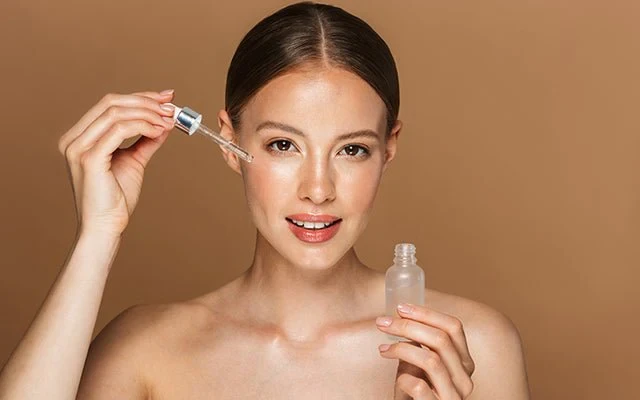
Dark patches around your mouth can feel frustrating and impact your confidence. This condition, called perioral hyperpigmentation, affects many people but responds well to the right treatment approach. Azelaic acid has emerged as one of the most effective and gentle solutions for addressing skin discoloration around mouth areas. Unlike harsher treatments, this powerhouse ingredient works gradually to fade dark spots while being kind to the sensitive perioral region. Whether you're dealing with post-inflammatory marks or hormonal pigmentation, understanding how to properly use azelaic acid can transform your skincare results.
Perioral hyperpigmentation refers to darkened skin patches that develop around the mouth area. This condition differs from general facial pigmentation because the perioral region has unique characteristics that make it more prone to certain types of discoloration. The skin around your mouth is thinner and more sensitive than other facial areas, making it susceptible to various triggers.
Several factors contribute to dark spots around mouth causes. Hormonal fluctuations, particularly during pregnancy or while using birth control, can trigger increased melanin around mouth production. Post-inflammatory hyperpigmentation from acne, eczema, or irritation also commonly affects this area. Additionally, friction from lip products, aggressive scrubbing, or even certain toothpastes can lead to darkening over time.
Not all hyperpigmentation around mouth looks the same. Melasma typically appears as symmetrical brown patches, while post-inflammatory hyperpigmentation shows up as darker spots where previous breakouts occurred. Some people develop what's called perioral melanosis, which presents as a more uniform darkening around the entire mouth area.
Azelaic acid for hyperpigmentation works through multiple mechanisms that make it particularly effective for the delicate mouth area. This naturally occurring acid inhibits tyrosinase, the enzyme responsible for melanin production, helping to prevent new dark spots from forming while gradually fading existing ones. Unlike some other treatments, azelaic acid provides gentle yet consistent results without causing excessive irritation.
The azelaic acid benefits for skin extend beyond just pigmentation control. This ingredient also offers anti-inflammatory properties that help calm irritated skin around the mouth. Its gentle exfoliating action promotes cell turnover, revealing brighter skin underneath while maintaining the skin barrier integrity that's crucial for the sensitive perioral area.
Clinical studies consistently show azelaic acid's effectiveness for treating various forms of hyperpigmentation. Research indicates that 15-20% azelaic acid formulations can produce significant improvements in skin tone within 12-16 weeks of consistent use, making it a reliable choice for perioral hyperpigmentation treatment.
Proper application technique makes all the difference when using azelaic acid for perioral areas. The key lies in starting slowly and building tolerance while maintaining consistency. Here are the essential tips for perioral hyperpigmentation with azelaic acid that ensure both safety and effectiveness.
Begin your treatment journey with a patch test on a small area near your mouth. Apply a tiny amount of azelaic acid and wait 24 hours to check for any adverse reactions. Once you've confirmed tolerance, you can proceed with the full protocol.
Start by applying azelaic acid every other evening after cleansing. Use only a pea-sized amount for the entire perioral area. Gently pat the product around your mouth, avoiding direct contact with lips. Follow with a gentle moisturizer to prevent dryness.
If your skin shows no signs of irritation, increase application to every evening. Some people can tolerate twice-daily application, but morning use requires diligent sun protection since the perioral area is particularly susceptible to UV damage.
Continue daily evening application while monitoring your skin's response. Most people see initial improvements around week 4-6, with significant fading occurring by month 3. Consistency remains crucial for maintaining results.
Strategic combinations can enhance your topical treatments for hyperpigmentation results. However, the sensitive nature of perioral skin requires careful consideration when layering products. Some ingredients work synergistically with azelaic acid, while others should be avoided or used alternately.
Safe combinations include hyaluronic acid for hydration, niacinamide for additional brightening, and ceramides for barrier support. These ingredients complement azelaic acid without increasing irritation risk. Vitamin C can be used in morning routines when azelaic acid is applied at night.
Avoid combining azelaic acid with retinoids, strong alpha hydroxy acids, or benzoyl peroxide in the same routine. These combinations can cause excessive irritation, particularly around the sensitive mouth area. Instead, alternate these treatments on different days or use them at different times.
Understanding the timeline for improvement helps maintain realistic expectations and treatment adherence. Perioral hyperpigmentation treatment requires patience, as the skin around your mouth needs time to regenerate and shed pigmented cells safely.
Most people notice initial improvements around week 4-6, with subtle lightening of dark spots becoming apparent. Significant fading typically occurs between months 2-4, while optimal results usually appear by month 6. Individual factors like skin type, pigmentation depth, and consistency of use all influence the timeline.
Several factors affect how quickly you'll see results. Consistent daily application, proper sun protection, and avoiding irritating products all contribute to faster improvement. Additionally, addressing underlying causes like hormonal imbalances or irritating habits can prevent new pigmentation from forming.
While azelaic acid is generally well-tolerated, some people experience initial side effects when starting treatment. Common reactions include mild stinging, redness, or dryness around the mouth area. These effects typically subside as your skin builds tolerance, usually within 1-2 weeks.
If irritation persists or worsens, reduce application frequency to every other day or every third day. Some people benefit from mixing azelaic acid with a gentle moisturizer to dilute the concentration initially. Always discontinue use if you experience severe burning, swelling, or allergic reactions.
Consult a dermatologist if you don't see improvement after 3-4 months of consistent use, or if your pigmentation appears to be worsening. Professional evaluation can help determine if you need prescription-strength formulations or alternative treatments for your specific type of perioral hyperpigmentation.
Selecting appropriate products is crucial for successful treatment outcomes. The best products for perioral hyperpigmentation typically contain 10-20% azelaic acid in stable formulations designed for sensitive skin. Look for products that include additional soothing ingredients like niacinamide or ceramides.
Over-the-counter options usually contain 10% azelaic acid, which works well for mild to moderate pigmentation. Prescription formulations with 15-20% concentrations may be necessary for stubborn or extensive discoloration. Consider your skin sensitivity and pigmentation severity when making your selection.
Yes, most people can use azelaic acid daily around the mouth once tolerance is established. Start with every other day application and gradually increase frequency based on your skin's response.
Initial improvements typically appear after 4-6 weeks, with significant fading occurring between months 2-4. Optimal results usually develop by month 6 with consistent daily use.
Azelaic acid is generally considered safe during pregnancy, making it an excellent choice for treating pregnancy-related perioral hyperpigmentation. However, always consult your healthcare provider before starting any new skincare treatment during pregnancy.
Yes, you can use vitamin C in the morning and azelaic acid in the evening. This combination can enhance brightening effects while minimizing irritation risk around the sensitive mouth area.
Azelaic acid offers an effective, gentle solution for treating perioral hyperpigmentation when used correctly. Success depends on consistent application, proper technique, and realistic expectations about the timeline for results. Start slowly to build tolerance, protect your skin from sun exposure, and be patient as improvements develop gradually over several months. With the right approach, azelaic acid can help you achieve the even-toned, confident complexion you desire while maintaining the health of your delicate perioral skin.
