


Step-by-Step Guide to Treating Hyperpigmentation Acne Scars
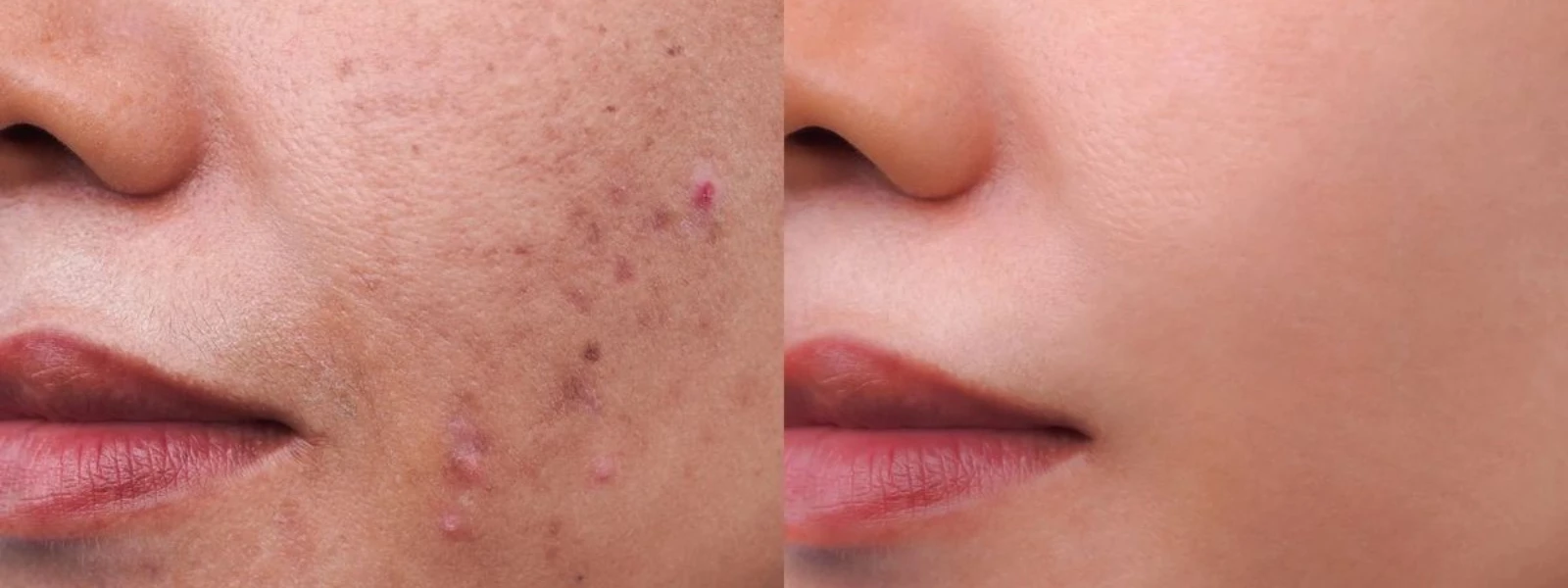
Dealing with dark spots after acne can feel frustrating, especially when you've finally cleared your breakouts only to be left with stubborn marks. These hyperpigmentation acne scars are actually more common than you might think, affecting people of all skin tones. The good news? With the right approach and a bit of patience, you can significantly fade these marks and restore your skin's natural glow. Understanding the difference between true acne scars and post-inflammatory hyperpigmentation is your first step toward choosing the most effective treatment path.
Many people confuse acne scar discoloration with actual scarring, but they're quite different conditions that require distinct treatment approaches. Knowing which type you're dealing with helps you choose the right products and set realistic expectations for your healing journey.
Post-inflammatory hyperpigmentation, or PIH, occurs when your skin produces excess melanin during the healing process after acne. These flat, dark spots appear where pimples once were, creating an uneven skin tone without any textural changes. Unlike true scars, PIH affects only the color of your skin, not its structure.
The texture test is your best friend here. Run your fingers gently across the affected area. If the skin feels smooth and flat, you're likely dealing with dark spots from acne rather than true scarring. True acne scars create indentations, raised areas, or other textural changes you can actually feel. This distinction matters because hyperpigmentation responds much better to topical treatments than structural scarring.
People with darker skin tones tend to develop PIH more frequently due to higher melanin production. However, anyone can experience these dark spots from acne, especially those who pick at their skin or have inflammatory acne types. Hormonal changes and genetic factors also play significant roles in determining your likelihood of developing post-acne hyperpigmentation.
Understanding the root skin discoloration causes helps you prevent future dark spots while treating existing ones. The process begins when inflammation from acne triggers your skin's protective response, leading to increased melanin production in affected areas.
When acne inflames your skin, specialized cells called melanocytes go into overdrive, producing excess melanin as a protective mechanism. This melanin doesn't distribute evenly, creating concentrated dark patches where inflammation occurred. The deeper the original acne lesion, the more likely it is to leave behind noticeable hyperpigmentation.
Sun exposure is the biggest culprit in worsening existing hyperpigmentation and slowing the natural fading process. UV rays stimulate additional melanin production, making dark spots darker and more persistent. Picking, squeezing, or otherwise manipulating acne lesions also increases inflammation and the likelihood of developing PIH. Delayed treatment of active acne allows inflammation to persist longer, increasing the risk of lasting discoloration.
Patience becomes your greatest asset when dealing with hyperpigmentation acne scars. While the waiting game can feel endless, understanding typical timelines helps set realistic expectations and keeps you motivated throughout your treatment journey.
Most post-inflammatory hyperpigmentation fades naturally within three to six months without any intervention. However, this timeline varies significantly based on factors like skin tone, the depth of discoloration, and your skin's natural cell turnover rate. Darker, deeper spots may take up to a year or longer to fade completely on their own.
Successful PIH treatment shows gradual lightening rather than dramatic overnight changes. You might notice the edges of dark spots becoming less defined first, followed by overall lightening of the affected areas. Taking progress photos in consistent lighting helps track improvements that might be too subtle to notice day by day.
When at-home treatments aren't delivering the results you want, professional interventions can significantly accelerate the scar lightening process. These treatments work by either removing pigmented skin layers or inhibiting melanin production more aggressively than over-the-counter options.
Professional chemical peels use higher concentrations of active ingredients like glycolic acid, salicylic acid, or trichloroacetic acid to remove the top layers of pigmented skin. These treatments can dramatically reduce the appearance of dark spots from acne in just a few sessions, though they require proper aftercare and sun protection.
Laser treatments like IPL (Intense Pulsed Light) and fractional lasers target melanin directly, breaking up pigmented areas for faster fading. These treatments work particularly well for acne scar removal when combined with proper skincare. However, they require careful consideration of skin tone to avoid additional pigmentation issues.
Dermatologists can prescribe stronger formulations containing hydroquinone, tretinoin, or combination therapies that work more effectively than over-the-counter alternatives. These prescription treatments often deliver faster results for stubborn hyperpigmentation treatment cases that don't respond to gentler approaches.
A consistent, well-planned skincare routine forms the foundation of successful hyperpigmentation treatment. The key lies in choosing the right combination of ingredients and using them consistently over time to see meaningful improvements in your skin's appearance.
Vitamin C serums help brighten existing dark spots while preventing new ones from forming. Look for stable forms like magnesium ascorbyl phosphate or sodium ascorbyl phosphate. Retinoids accelerate cell turnover, helping pigmented cells shed faster and revealing fresh, even-toned skin underneath. Niacinamide reduces inflammation and helps regulate melanin production, making it excellent for preventing future uneven skin tone issues.
While natural remedies work more slowly than clinical treatments, some show genuine promise for fade acne scars efforts. Kojic acid, derived from fungi, inhibits melanin production naturally. Alpha arbutin, found in bearberry plants, works similarly to hydroquinone but with less irritation potential. Licorice root extract contains glabridin, which helps lighten dark spots over time.
Morning routines should focus on protection and brightening. Start with a gentle cleanser, apply vitamin C serum, follow with moisturizer, and finish with broad-spectrum SPF 30 or higher. Evening routines can include more active ingredients like retinoids or alpha hydroxy acids, but introduce them gradually to avoid irritation that could worsen hyperpigmentation.
Preventing new hyperpigmentation acne scars while treating existing ones creates a comprehensive approach to achieving clear, even-toned skin. These strategies work best when implemented consistently as part of your daily routine.
Daily sunscreen application remains the most crucial step in preventing and treating hyperpigmentation. UV exposure not only darkens existing spots but also triggers new melanin production. Choose broad-spectrum protection with at least SPF 30, and reapply every two hours when outdoors. Physical sunscreens containing zinc oxide or titanium dioxide work particularly well for sensitive, acne-prone skin.
Treating acne promptly and gently reduces the likelihood of developing PIH. Avoid picking, squeezing, or manipulating active breakouts, as this increases inflammation and the risk of lasting discoloration. Use gentle, non-comedogenic products that won't clog pores or irritate already inflamed skin. When acne persists despite consistent home care, seek professional treatment early to minimize the risk of scarring and hyperpigmentation.
Most post-inflammatory hyperpigmentation fades naturally within 3-6 months, though deeper or darker spots may take up to a year. Treatment can significantly speed up this process, with noticeable improvements often visible within 6-8 weeks of consistent care.
Hyperpigmentation acne scars are flat, dark spots that don't change skin texture, while true acne scars create indentations or raised areas you can feel. Hyperpigmentation affects only skin color, making it easier to treat with topical products.
While combining treatments can be effective, introduce new products gradually to avoid irritation. Start with one active ingredient and add others slowly. Over-treating can actually worsen hyperpigmentation by causing additional inflammation.
Some natural ingredients like kojic acid, alpha arbutin, and vitamin C do show evidence for treating dark spots from acne. However, they typically work more slowly than clinical treatments and may require longer consistent use to see results.
Genetics, skin tone, and individual inflammatory responses all influence PIH development. People with higher melanin production tend to develop acne scar discoloration more easily, but anyone can experience it, especially with inflammatory acne types.
Successfully treating hyperpigmentation acne scars requires patience, consistency, and the right approach for your specific skin type and concerns. Remember that these dark spots are temporary and highly treatable with proper care. Start with gentle, proven ingredients like vitamin C and retinoids, protect your skin from sun exposure religiously, and don't hesitate to seek professional help for stubborn cases. Most importantly, avoid picking at active acne to prevent future hyperpigmentation. With time and consistent effort, you can achieve the clear, even-toned skin you're working toward. The journey may take several months, but the results are absolutely worth the investment in your skin's health and your confidence.
