

Step-by-Step Guide to Remedies for Dark Spots
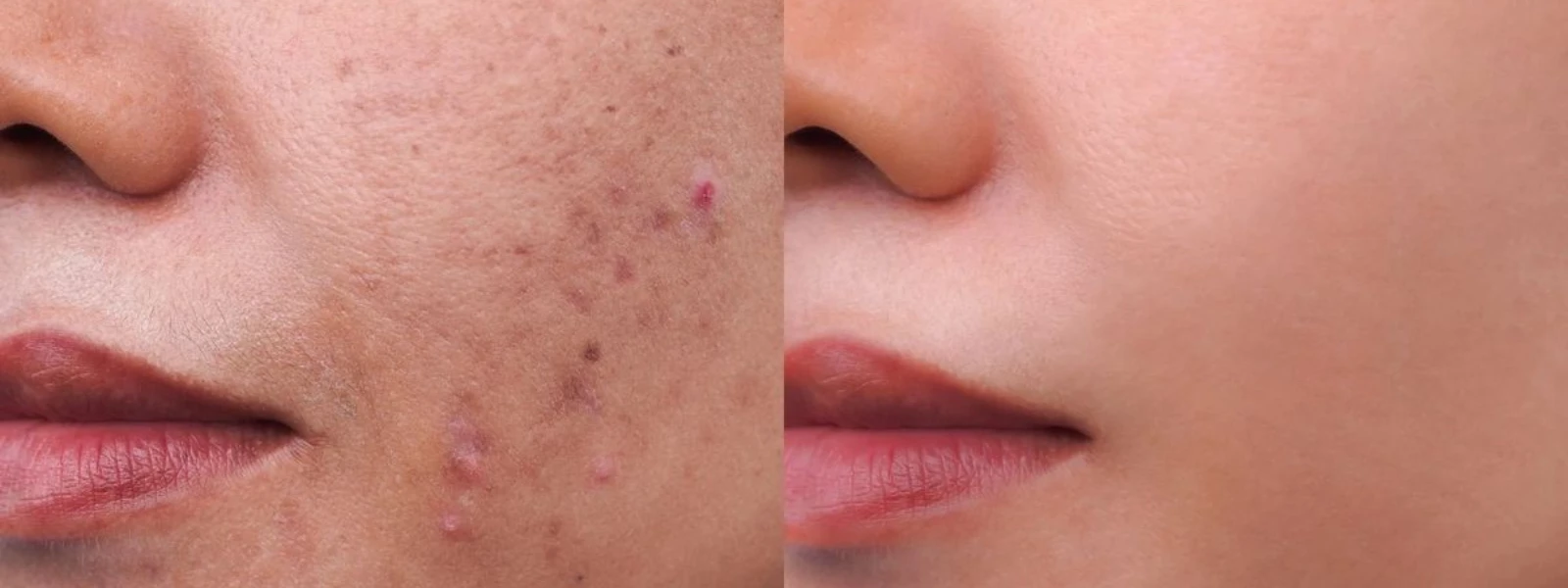
Dark spots can feel like unwelcome guests that overstay their welcome on your skin. Whether they're from sun damage, acne scars, or hormonal changes, these patches of skin discoloration affect millions of people worldwide. The good news? You don't have to live with them forever. With the right approach and consistent care, you can significantly reduce their appearance and prevent new ones from forming. This comprehensive guide walks you through proven remedies for dark spots, from professional treatments to gentle home solutions that work with your skin's natural healing process.
Before diving into treatments, it's crucial to understand what you're dealing with. Dark spots occur when your skin produces excess melanin in specific areas, creating patches that appear darker than your natural skin tone. This process, called hyperpigmentation, happens for various reasons and affects people of all skin types.
Several factors contribute to dark spot formation. Sun exposure remains the leading cause, as UV rays trigger melanin reduction mechanisms that sometimes go into overdrive. Post-inflammatory hyperpigmentation from acne creates another common type of dark spot. Hormonal changes during pregnancy or from birth control can lead to melasma, while natural aging processes make skin more susceptible to uneven skin tone.
Different types of dark spots require different approaches. Age spots and sun spots typically appear on areas with frequent sun exposure like hands and face. Melasma creates larger, symmetrical patches often on the cheeks and forehead. Post-acne marks fade more quickly than other types, while freckles and solar lentigines represent genetic and sun-related pigmentation respectively.
Professional treatments offer the fastest and most dramatic results for stubborn dark spots. Dermatologists have access to stronger concentrations and advanced technologies that can target deep pigmentation effectively.
Chemical peels use controlled acids to remove damaged skin layers, revealing brighter skin underneath. Laser therapy precisely targets melanin deposits for effective age spot removal. Microneedling combined with brightening serums enhances product penetration. IPL treatments use intense pulsed light for comprehensive sun spot treatment across larger areas.
Hydroquinone remains the gold standard for prescription dark spot treatment, though it requires careful monitoring. Tretinoin accelerates cellular turnover, helping fade spots while preventing new ones. Combination therapies often prove most effective, though results typically take 8-12 weeks to become noticeable.
You don't always need prescription treatments to see significant improvement. Many over-the-counter ingredients have proven effectiveness for treating dark spots when used consistently and correctly.
Vitamin C stands out as a powerful antioxidant that brightens skin while protecting against future damage. A quality brightening serum with stable vitamin C can make noticeable differences within weeks. Other effective ingredients include:
Retinoids for accelerated skin renewal
Niacinamide for reducing uneven skin tone
Kojic acid and arbutin for gentle lightening
Alpha hydroxy acids for surface exfoliation
Azelaic acid for sensitive skin types
Consider your skin type and sensitivity level when selecting products. Start with lower concentrations and gradually increase as your skin adapts. Always apply treatments in the correct order: thinnest to thickest consistency, with actives applied to clean skin before moisturizer.
Natural remedies offer gentler alternatives for those with sensitive skin or preference for plant-based solutions. While they work more slowly than professional treatments, many natural ingredients have scientific backing for their brightening properties.
Aloe vera contains compounds that can help fade dark spots while soothing inflammation. Apply fresh gel directly to spots twice daily. Turmeric mixed with honey creates a powerful anti-inflammatory mask that can gradually lighten pigmentation. Green tea extract provides antioxidants that protect against further damage while promoting healing.
Simple kitchen ingredients can create effective treatments. Mix lemon juice with honey for a gentle spot treatment, but always use sunscreen afterward as citrus increases photosensitivity. Yogurt and oat masks provide gentle exfoliation, while rice water offers brightening benefits used traditionally in Asian skincare.
Consistency beats intensity when treating dark spots. A well-structured daily routine ensures steady progress while protecting your skin barrier throughout the treatment process.
Start with gentle cleansing to remove overnight buildup without irritating treated areas. Apply vitamin C serum to clean skin, allowing it to absorb completely. Follow with moisturizer, then broad-spectrum SPF 30 or higher sunscreen. This protection prevents existing spots from darkening and new ones from forming.
Double cleanse to remove sunscreen and daily buildup thoroughly. Apply your chosen dark spot correctors to clean, dry skin. Wait 10-15 minutes before applying moisturizer to ensure proper absorption. Use exfoliating treatments 2-3 times weekly, never daily, to avoid irritation.
Understanding realistic timelines helps maintain motivation and prevents disappointment. Most effective treatments require patience, as skin renewal cycles take time to show visible improvements.
Most people notice initial improvements within 4-6 weeks of consistent treatment. Significant fading typically occurs between 8-12 weeks. Deeper, older spots may require 6 months or longer. Factors affecting speed include spot depth, skin type, treatment consistency, and sun protection habits.
Prevention remains easier than treatment. Daily sunscreen use, gentle skincare practices, and prompt treatment of acne or skin injuries help prevent new pigmentation solutions needs. Regular use of vitamin C and gentle exfoliation maintains results long-term.
While no treatment can completely remove dark spots in 3 days, you can minimize their appearance with concealer and start treatments that show initial brightening within a week. Focus on gentle exfoliation and vitamin C application for fastest safe results.
Vitamin C serum combined with gentle daily exfoliation provides the fastest home treatment results. Aloe vera gel can also show quick improvements for fresh post-acne marks when applied consistently twice daily.
Professional treatments like laser therapy and chemical peels offer the most permanent results. However, maintaining results requires ongoing sun protection and proper skincare to prevent new spots from forming.
No safe treatment can remove dark spots overnight. Products claiming overnight results often contain harsh ingredients that can damage skin. Effective treatment requires consistent application over weeks to months.
Successfully treating dark spots requires patience, consistency, and the right approach for your skin type. Whether you choose professional treatments, over-the-counter products, or natural remedies, the key lies in maintaining a regular routine and protecting your skin from further damage. Remember that prevention through daily sunscreen use remains your best defense against future dark spots. With dedication and realistic expectations, you can achieve the clearer, more even skin tone you desire. Start with gentle treatments, monitor your progress, and don't hesitate to consult a dermatologist for persistent or concerning spots.
