


SPF Prevents Sunburn: Your Ultimate FAQ Guide
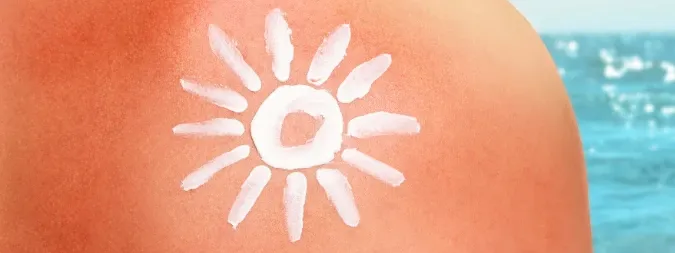
Sunburn isn't just about temporary redness and pain. It's your skin's distress signal after UV damage, and it can trigger long-lasting issues like dark spots and uneven skin tone. The good news? SPF prevents sunburn when used correctly, acting as your first line of defense against harmful UV rays. Whether you're dealing with existing hyperpigmentation or trying to prevent future damage, understanding how SPF works can transform your skin protection game. Let's dive into everything you need to know about using SPF to keep your skin healthy and burn-free.
Sun Protection Factor (SPF) measures how well a sunscreen protects your skin from UVB rays - the specific type of radiation that causes sunburn. Think of SPF as a shield that absorbs or reflects these harmful rays before they can damage your skin cells.
When UV rays hit unprotected skin, they penetrate the outer layer and damage DNA in skin cells. This damage triggers inflammation, which shows up as the redness, heat, and pain we call sunburn. SPF works by creating a protective barrier that either absorbs these rays (chemical sunscreens) or reflects them away from your skin (mineral sunscreens).
SPF specifically measures protection against UVB rays, which are shorter and more intense than UVA rays. UVB rays are the primary cause of sunburn because they have enough energy to directly damage skin cell DNA. UVA rays penetrate deeper and contribute more to aging and hyperpigmentation, which is why broad-spectrum protection matters for complete sun damage prevention.
Yes, SPF absolutely protects against sunburn when applied correctly. Clinical studies consistently show that proper sunscreen use can prevent 95-98% of sunburn-causing UV radiation from reaching your skin.
However, real-world protection often falls short of laboratory results. Most people apply only 25-50% of the recommended amount, which dramatically reduces effectiveness. A sunscreen labeled SPF 30 might only provide SPF 10 protection if you're not using enough product.
The most common reason for breakthrough sunburn is insufficient application. You need about 1/4 teaspoon for your face alone, and most people use far less. Other factors include forgetting to reapply every two hours, using expired products, or choosing a formula that doesn't suit your activity level.
The best SPF for daily use is at least SPF 30, which blocks about 97% of UVB rays. SPF 50 blocks 98%, while SPF 100 blocks 99%. The difference seems small, but that extra 1-2% protection can matter significantly for people with fair skin or those spending extended time outdoors.
For most daily activities, SPF 30 provides excellent sunburn prevention. However, if you're swimming, hiking, or spending hours in direct sunlight, SPF 50 or higher offers better protection against the cumulative UV exposure that can overwhelm lower SPF products.
Indoor work with minimal sun exposure requires SPF 30 as a baseline. Outdoor activities, sports, or beach days call for SPF 50 or higher. Water activities need water-resistant formulas that maintain protection even when wet or sweaty.
Effective sunscreen benefits go beyond just SPF numbers. Look for "broad-spectrum" on the label, which means the product protects against both UVA and UVB rays. This comprehensive UV protection prevents not only sunburn but also the deeper damage that leads to hyperpigmentation and premature aging.
Chemical sunscreens absorb UV rays and work well under makeup, while mineral sunscreens (zinc oxide and titanium dioxide) sit on top of skin and reflect rays away. Both types effectively prevent sunburn when applied properly.
No sunscreen is truly waterproof, but water-resistant formulas maintain their SPF rating for 40 or 80 minutes during swimming or sweating. These formulas are essential for outdoor activities where regular reapplication might be challenging.
The biggest mistake people make is applying too little product. Most adults need about one ounce (two tablespoons) to cover their entire body properly. For your face alone, use about 1/4 teaspoon - that's more than most people think.
Timing matters too. Chemical sunscreens need 15-30 minutes to absorb and become effective, so apply them before getting dressed or heading outside. Mineral sunscreens work immediately but need thorough blending to avoid white streaks.
Don't forget your ears, lips, feet, and the back of your neck. These areas burn quickly because they're often missed during application. The tops of your hands and around your eyes also need protection, as these areas show sun damage and aging first.
Sunburn doesn't just cause immediate discomfort - it triggers inflammatory responses that can lead to lasting hyperpigmentation. When skin burns, it produces excess melanin as a protective response, often resulting in dark spots and uneven skin tone that persist long after the burn heals.
Daily SPF use is crucial for hyperpigmentation prevention, especially if you're already dealing with dark spots or melasma. Even minimal UV exposure can worsen existing pigmentation, making consistent sun protection essential for maintaining clear, even-toned skin.
Severe sunburn can cause post-inflammatory hyperpigmentation (PIH), where dark spots appear weeks after the burn heals. This is particularly common in people with medium to dark skin tones, making prevention through proper SPF use even more important.
Yes, you can still burn with SPF 50 if you don't apply enough product, forget to reapply, or spend excessive time in intense sun. SPF 50 blocks 98% of UVB rays, but that remaining 2% can accumulate over time and cause burning, especially on fair or sensitive skin.
Sunscreen won't heal existing sunburn, but it's crucial for preventing further damage to already compromised skin. Burned skin is more vulnerable to additional UV damage, so gentle, mineral-based sunscreens can protect the healing process.
Fair skin that burns easily needs SPF 50 or higher for extended outdoor time. Medium skin tones can often use SPF 30 for daily activities but should increase to SPF 50 for outdoor sports. Darker skin still needs SPF 30 minimum, as UV damage and hyperpigmentation can occur even without visible burning.
SPF protection breaks down over time due to UV exposure, sweating, and natural skin oils. Reapply every two hours during sun exposure, or immediately after swimming or heavy sweating, regardless of the SPF level.
PA++++ is an Asian rating system that measures UVA protection. The more plus signs, the better the UVA protection. This rating complements SPF, which only measures UVB protection, giving you a more complete picture of the sunscreen's effectiveness.
No, SPF is a measurement of how well a sunscreen protects against UVB rays, while sunscreen is the actual product. Think of SPF as the strength rating - like how we measure the brightness of light bulbs in watts.
Make SPF the final step in your morning skincare routine, applying it after moisturizer but before makeup. Use enough product to create an even layer across all exposed skin, paying special attention to areas that burn easily like your nose, shoulders, and the tops of your ears.
Set reminders to reapply every two hours, especially during outdoor activities. Keep travel-size sunscreens in your car, bag, or desk drawer so you're never caught without protection. Remember that UV rays can penetrate windows and reflect off surfaces like water, sand, and snow, making year-round protection essential for preventing both sunburn and long-term skin damage.
