

Safe Underarm Lightening: Your Complete Guide
Dark underarms can feel embarrassing, but you're not alone in dealing with this common skin concern. Many people experience underarm discoloration at some point in their lives. The good news is that safe skin lightening for underarms is possible with the right approach and patience. This guide will walk you through proven methods, natural alternatives, and professional treatments that can help you achieve brighter, more even-toned underarms safely.
Dark underarms causes vary from person to person, but understanding the root of your armpit hyperpigmentation is the first step toward effective treatment. Most cases stem from everyday habits rather than serious medical conditions. Shaving is one of the most common culprits. When you shave regularly, the razor can cause micro-injuries to your skin. Your body responds by producing extra melanin to protect the area, leading to darker patches over time. Deodorants and antiperspirants can also contribute to discoloration, especially those containing alcohol or harsh chemicals that irritate sensitive underarm skin.
Sometimes dark underarms signal underlying health issues. Acanthosis nigricans creates thick, dark patches that feel velvety to the touch. This condition often links to insulin resistance, diabetes, or hormonal imbalances. If your underarms feel thick or rough along with being dark, it's worth checking with a healthcare provider.
Tight clothing creates constant friction against your underarms, triggering your skin's protective response. Obesity can worsen this issue because skin folds create more friction points. Poor hygiene allows bacteria and dead skin cells to build up, making discoloration appear worse than it actually is.
When it comes to safe skin lightening for underarms, choosing the right ingredients makes all the difference. Your skin deserves gentle yet effective treatment that won't cause irritation or long-term damage. Hydroquinone remains the gold standard for skin lightening, but it requires careful use. This ingredient works by blocking the enzyme that produces melanin. However, hydroquinone can cause irritation and isn't suitable for long-term use. Many dermatologists now recommend safer underarm bleaching alternatives that deliver similar results with fewer risks.
Kojic acid offers a gentler approach to underarm pigmentation removal. This natural ingredient comes from fungi and works by inhibiting melanin production. It's less likely to cause irritation than hydroquinone, making it perfect for sensitive underarm skin. Arbutin, derived from bearberry plants, provides another safe option. This ingredient gradually lightens dark spots without the harsh side effects of stronger chemicals. Vitamin C also supports natural lightening while providing antioxidant protection.
Steer clear of products containing mercury, steroids, or high concentrations of acids without professional guidance. These ingredients can cause severe skin damage, including permanent scarring or increased sensitivity. Always read ingredient lists carefully and choose products from reputable brands.
Natural underarm whitening appeals to many people seeking gentle alternatives to chemical treatments. While natural methods take longer to show results, they're often safer for sensitive skin and can be just as effective with consistent use. Lemon juice contains natural citric acid that can help lighten dark spots over time. However, lemon juice can make your skin more sensitive to sunlight, so always apply it at night and wash it off thoroughly in the morning. Mix lemon juice with honey to reduce its acidity and add moisturizing benefits.
Gentle exfoliation removes dead skin cells that can make underarms appear darker. Create a simple scrub using baking soda and water, or try oatmeal mixed with milk. Exfoliate no more than twice a week to avoid irritating your skin. Turmeric has been used for centuries in traditional beauty treatments. This golden spice contains curcumin, which has anti-inflammatory and lightening properties. Mix turmeric powder with milk or yogurt to create a paste, but be aware that turmeric can temporarily stain your skin yellow.
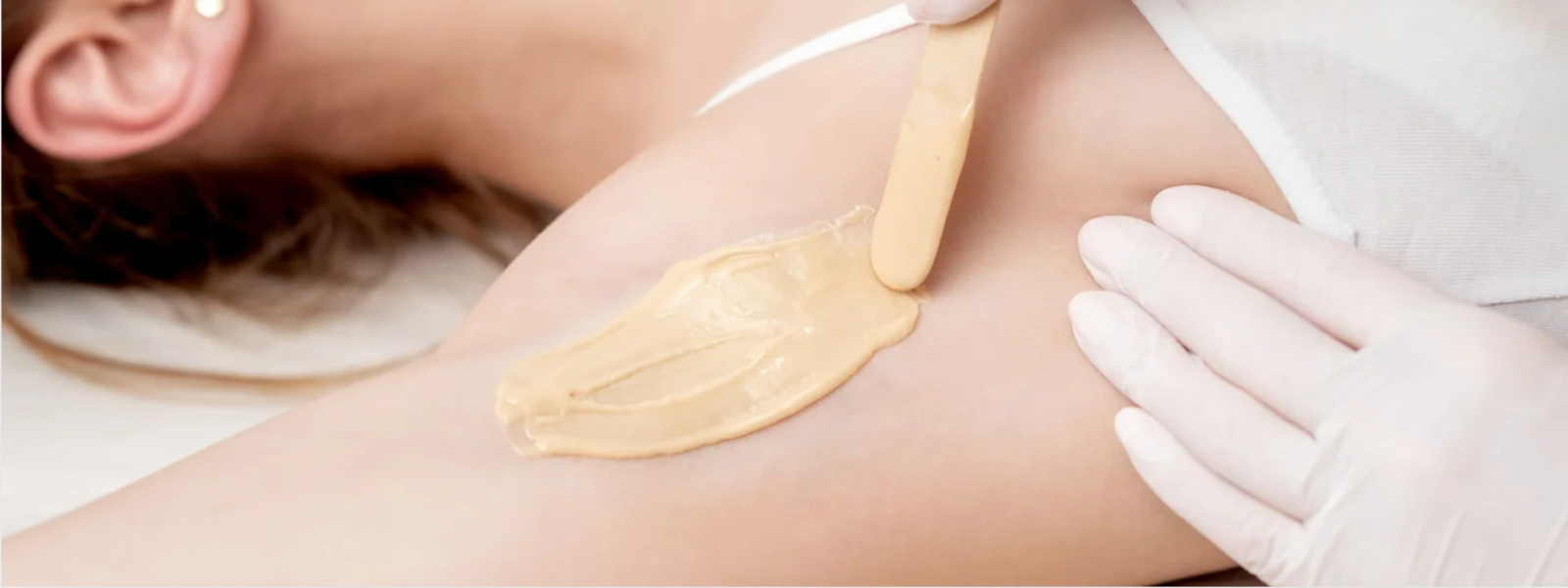
Switching from shaving to other hair removal methods can prevent further darkening. Consider waxing, laser hair removal, or using depilatory creams designed for sensitive areas. These methods remove hair from the root, reducing the appearance of dark stubble. Choose aluminum-free deodorants to reduce chemical irritation. Look for products with natural ingredients like coconut oil, shea butter, or essential oils. These gentler formulas clean and protect without causing additional discoloration.
When home remedies aren't enough, professional underarm discoloration treatment can provide faster, more dramatic results. Dermatologists have access to stronger ingredients and advanced techniques that aren't available over-the-counter. Chemical peels designed for underarm use can remove layers of discolored skin, revealing brighter skin underneath. These treatments use controlled amounts of acids like glycolic or lactic acid to safely exfoliate the area. Most people need multiple sessions spaced several weeks apart for best results.
Laser treatments target melanin directly, breaking up dark pigments so your body can naturally eliminate them. Q-switched lasers work particularly well for underarm pigmentation removal. While more expensive than topical treatments, laser therapy often provides the fastest results.
Dermatologists can prescribe stronger lightening agents like tretinoin or prescription-strength hydroquinone. These treatments work faster than over-the-counter options but require careful monitoring to prevent side effects. Your doctor will create a customized treatment plan based on your specific needs and skin type.
Choosing the best underarm brightening products requires understanding what ingredients work and how to use them safely. Look for products specifically formulated for underarm use, as these areas have different needs than facial skin. Niacinamide, also known as vitamin B3, offers gentle yet effective lightening properties. This ingredient also helps strengthen your skin barrier and reduce inflammation. Products containing 2-5% niacinamide work well for daily use without causing irritation.
Apply lightening products to clean, dry skin for best absorption. Use gentle, upward motions and allow products to fully absorb before applying deodorant. Consistency matters more than quantity – using a small amount daily works better than occasional heavy applications. Layering products can enhance results, but introduce new ingredients gradually. Start with one product for several weeks before adding others. This approach helps you identify which ingredients work best for your skin and reduces the risk of irritation.
Preventing future armpit hyperpigmentation is often easier than treating existing discoloration. Simple changes to your daily routine can make a significant difference in maintaining brighter underarms. Improve your shaving technique by using sharp razors and plenty of shaving cream or gel. Shave in the direction of hair growth rather than against it to reduce irritation. Replace razors frequently and consider shaving less often if possible.
Select deodorants and antiperspirants designed for sensitive skin. Avoid products with alcohol, fragrances, or other potential irritants. Allow your skin to dry completely after showering before applying any products to prevent trapping moisture and bacteria. Wear loose-fitting, breathable clothing when possible to reduce friction. Natural fabrics like cotton allow better air circulation than synthetic materials. If you must wear tight clothing, consider using anti-chafing products to protect your skin.
Most people see initial improvements within 4-6 weeks of consistent treatment. Natural methods may take 8-12 weeks, while professional treatments can show results in 2-4 weeks. Complete lightening often takes 3-6 months depending on the severity of discoloration.
Many lightening ingredients aren't recommended during pregnancy. Stick to gentle, natural methods like proper exfoliation and moisturizing. Always consult your healthcare provider before using any lightening products while pregnant or breastfeeding.
Yes, but maintaining results requires ongoing care. Once you achieve your desired lightness, continue using gentle maintenance products and follow prevention strategies to avoid re-darkening.
Whitening products typically contain stronger active ingredients designed to reduce melanin production. Brightening products focus on improving overall skin tone and radiance through exfoliation and hydration.
Consult a dermatologist if your underarms feel thick or velvety, if discoloration appears suddenly, or if over-the-counter treatments haven't helped after 3 months of consistent use.
Mild irritation, redness, or dryness can occur, especially when starting new treatments. Serious side effects are rare with proper use. Always patch test new products and follow usage instructions carefully.
Safe skin lightening for underarms is achievable with patience and the right approach. Whether you choose natural methods, over-the-counter products, or professional treatments, consistency is key to success. Remember that prevention plays a crucial role in maintaining results once you achieve them. Start with gentle methods and gradually work up to stronger treatments if needed. Most importantly, be patient with the process – healthy, lasting results take time to develop.
