

PCOS Pigmentation FAQ: Understanding Skin Discoloration
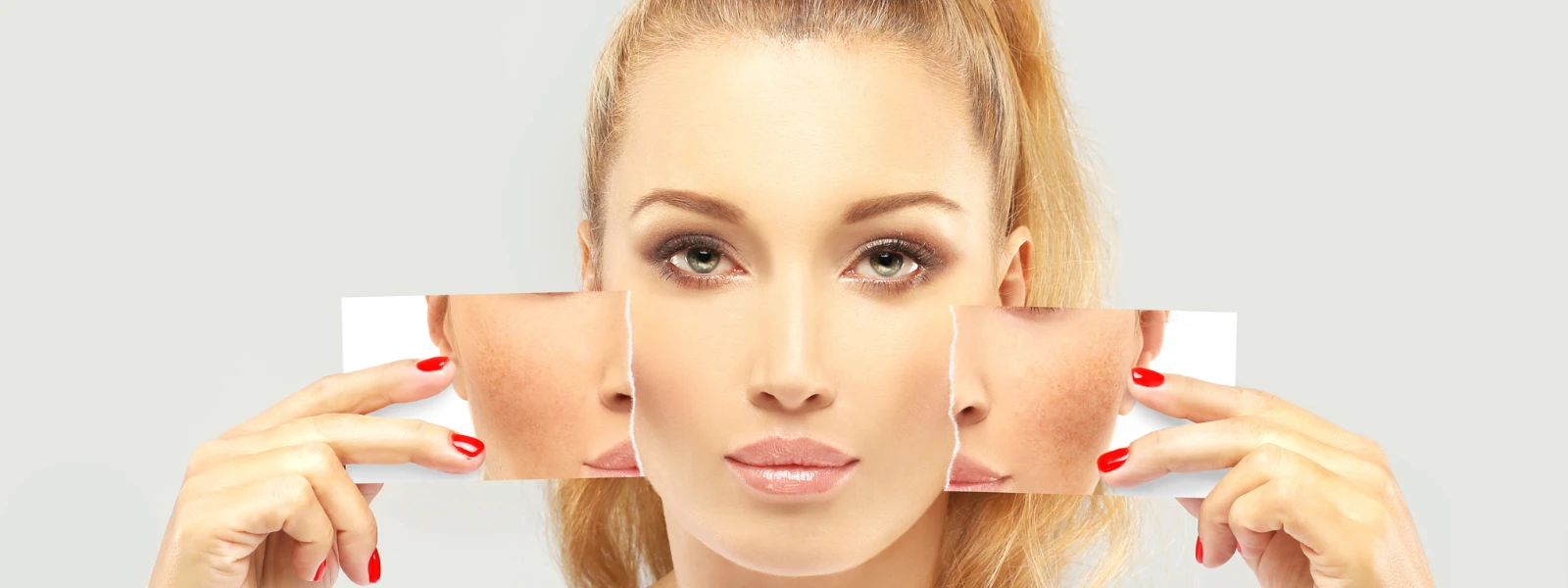
Living with PCOS often means dealing with more than just irregular periods and weight challenges. Many women discover that pigmentation related to PCOS becomes an unexpected and frustrating part of their journey. Dark patches on the neck, underarms, and face can appear seemingly overnight, leaving you wondering what's happening to your skin. These changes aren't just cosmetic concerns—they're often visible signs of the complex hormonal and metabolic shifts occurring within your body. Understanding why PCOS causes skin discoloration and what you can do about it empowers you to take control of both your skin health and overall wellness.
PCOS hyperpigmentation stems from the intricate relationship between hormones, insulin resistance, and your skin's response to these internal changes. When insulin levels remain consistently elevated—a common issue in PCOS—your body produces excess amounts of insulin-like growth factor (IGF-1). This surge triggers skin cells to multiply rapidly and stimulates melanocytes to produce more melanin, the pigment responsible for skin color.
The elevated androgen levels characteristic of PCOS further complicate matters by increasing sebum production and inflammation. This creates a perfect storm for pcos skin discoloration to develop, particularly in areas where skin folds naturally occur.
When your cells become resistant to insulin, your pancreas compensates by producing even more of this hormone. The excess insulin doesn't just affect blood sugar—it binds to receptors in your skin, promoting cell growth and pigment production. This explains why managing insulin sensitivity often leads to improvements in skin appearance.
PCOS creates a state of chronic low-grade inflammation throughout your body. This inflammatory environment can trigger post-inflammatory hyperpigmentation, especially after acne breakouts or skin irritation. The darker spots that remain after blemishes heal represent your skin's attempt to protect itself from further damage.
Understanding the different manifestations of pcos skin problems helps you identify what you're experiencing and choose appropriate treatments. Each type of pigmentation has distinct characteristics and may require different approaches for effective management.
Acanthosis nigricans pcos represents the most recognizable form of PCOS-related skin changes. These velvety, dark patches typically appear in skin folds and can feel slightly thicker than surrounding skin.
This condition creates dark, velvety patches that commonly appear on the neck, armpits, groin, and sometimes behind the knees. The affected skin may feel slightly raised and have a soft, velvety texture. Unlike other forms of hyperpigmentation, acanthosis nigricans often indicates underlying insulin resistance.
When PCOS-related acne heals, it often leaves behind dark spots or patches. These marks can persist for months or even years without proper treatment. The deeper the original inflammation, the more pronounced and long-lasting the resulting pigmentation tends to be.
PCOS melasma appears as symmetrical brown or gray patches on the face, particularly on the cheeks, forehead, and upper lip. Hormonal fluctuations in PCOS can trigger this condition, which often worsens with sun exposure.
The location of pcos and dark spots isn't random—certain areas of your body are more susceptible due to friction, hormonal sensitivity, and insulin receptor concentration. Recognizing these patterns helps distinguish PCOS-related pigmentation from other skin conditions.
Skin folds create the perfect environment for insulin resistance pigmentation to develop. The combination of friction, moisture, and higher concentrations of insulin receptors in these areas makes them particularly vulnerable to darkening.
The neck, especially the back and sides, represents the most frequent location for PCOS pigmentation. Underarms follow closely, along with the groin area and inner thighs. These locations share common characteristics: they're areas where skin touches skin, creating friction and trapping moisture.
On the face, hormonal pigmentation pcos often appears along the jawline, around the mouth, and on the cheeks. These areas correspond to regions with higher concentrations of hormone receptors, making them more responsive to the hormonal imbalances characteristic of PCOS.
Effective hyperpigmentation treatment pcos requires a multi-faceted approach that addresses both the underlying hormonal imbalances and the visible skin changes. The most successful treatments combine topical interventions with lifestyle modifications to target the root causes of pigmentation.
Treatment success depends largely on consistency and patience. Most people begin seeing improvements within 8-12 weeks of starting a comprehensive treatment plan, though complete resolution may take several months to a year.
Gentle chemical exfoliants like salicylic acid and glycolic acid help remove the upper layers of pigmented skin while promoting cell turnover. Vitamin C serums provide antioxidant protection while inhibiting melanin production. Retinoids accelerate skin renewal and can significantly improve pigmentation over time.
Chemical peels performed by dermatologists can provide more dramatic results for stubborn pigmentation. Laser treatments and intense pulsed light (IPL) therapy target melanin deposits directly. These procedures typically require multiple sessions and should always be performed by qualified professionals.
Medications like metformin can improve insulin sensitivity, often leading to gradual improvement in acanthosis nigricans. This approach addresses the root cause rather than just treating symptoms, making it particularly effective for long-term management.
While topical treatments address existing pigmentation, lifestyle modifications can prevent new dark spots from forming and support your skin's natural healing processes. These changes work synergistically with medical treatments to optimize results.
The connection between diet, exercise, and pcos skin changes reflects the systemic nature of PCOS. Improvements in metabolic health often translate directly to visible improvements in skin appearance.
Following a low-glycemic diet helps stabilize insulin levels, reducing the hormonal triggers for pigmentation. Focus on whole foods, lean proteins, and complex carbohydrates while limiting processed foods and added sugars. Anti-inflammatory foods like berries, leafy greens, and fatty fish can help reduce overall inflammation.
Regular physical activity improves insulin sensitivity and can lead to gradual lightening of acanthosis nigricans. Even modest weight loss—as little as 5-10% of body weight—can produce noticeable improvements in skin appearance for many women with PCOS.
Yes, many types of PCOS-related pigmentation can significantly improve or even completely resolve with proper treatment. Acanthosis nigricans often lightens substantially when insulin resistance improves, while post-inflammatory hyperpigmentation typically fades with consistent skincare and time. However, the timeline varies greatly between individuals, and some people may always have slightly darker areas in previously affected regions.
Most people notice initial improvements within 6-8 weeks of starting treatment, with more significant changes becoming apparent after 3-6 months. Acanthosis nigricans may take longer to improve since it's closely tied to insulin resistance, which can take months to address effectively. Consistency with treatment is crucial for achieving optimal results.
PCOS pigmentation typically appears in skin folds and areas of friction, has a velvety texture (in the case of acanthosis nigricans), and occurs in younger women. Age spots usually appear on sun-exposed areas like the hands and face, have a flat appearance, and develop gradually over time due to cumulative sun damage.
Certain birth control pills can help improve PCOS-related skin issues by regulating hormones and reducing androgen levels. However, their effect on existing pigmentation is usually modest. They're more effective at preventing new acne and subsequent post-inflammatory hyperpigmentation than treating existing dark spots.
While some natural ingredients like kojic acid, licorice extract, and vitamin C can help lighten pigmentation, home remedies alone are rarely sufficient for significant PCOS-related skin changes. They work best as supportive treatments alongside medical interventions and lifestyle modifications. Always patch test new ingredients and avoid harsh scrubs that can worsen inflammation.
Yes, especially if over-the-counter treatments haven't provided satisfactory results after 2-3 months, if the pigmentation is extensive or rapidly worsening, or if you're unsure about the diagnosis. A dermatologist can provide stronger prescription treatments and rule out other skin conditions that might mimic PCOS-related changes.
Understanding that pigmentation related to PCOS stems from complex hormonal and metabolic factors empowers you to approach treatment holistically. While these skin changes can feel overwhelming, remember that they're treatable and often improve significantly with the right combination of medical care, skincare, and lifestyle modifications. The key lies in addressing both the visible symptoms and underlying causes, working with healthcare providers who understand the connection between PCOS and skin health. With patience and consistency, most women see meaningful improvements in their skin's appearance and overall confidence.
