


Knee Whitening: Clinical vs Natural Treatments
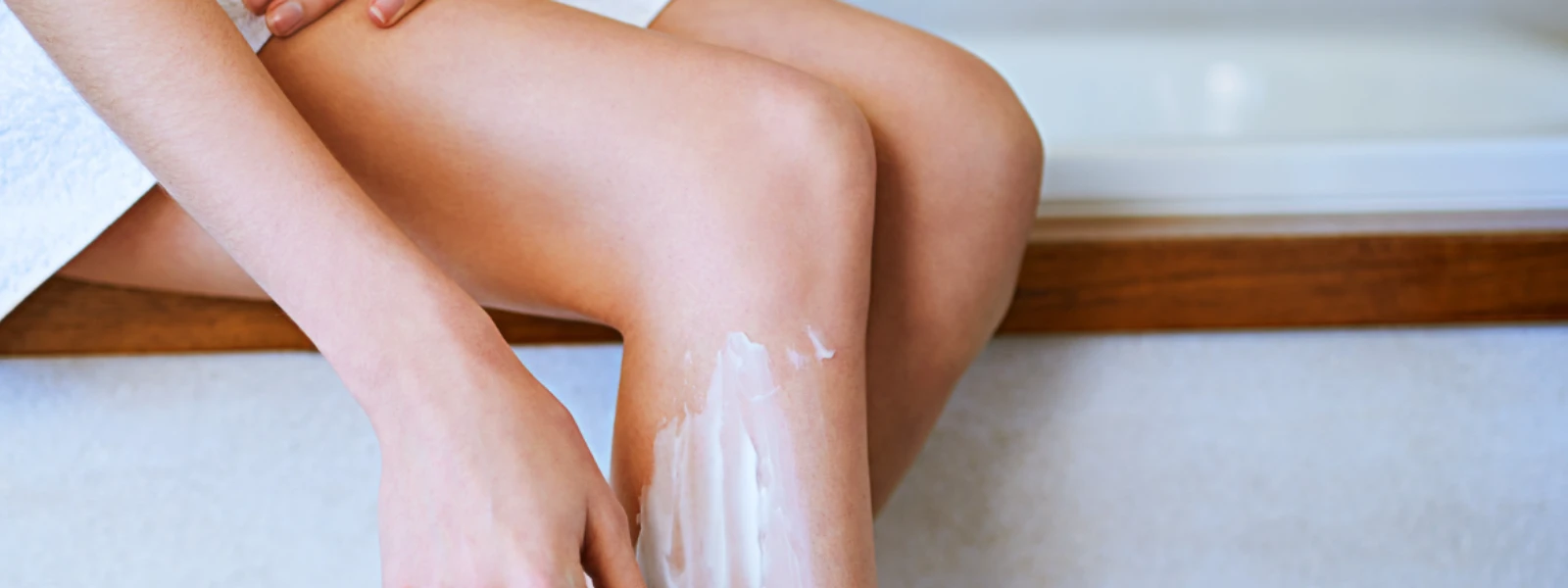
Dark knees can feel frustrating, especially when you want to wear shorts or skirts with confidence. This common skin concern affects millions of people worldwide, regardless of age or skin type. The good news? You have options. From professional dermatologist treatments to gentle home remedies, there are proven ways to address knee discoloration and achieve the even skin tone you're looking for. Understanding the difference between clinical and natural approaches helps you make the best choice for your skin, lifestyle, and budget.
Dark knees happen when your skin produces extra melanin in response to various triggers. This creates patches that appear darker than the surrounding skin. The medical term for this is hyperpigmentation knees, and it's completely normal. Several factors contribute to this condition. Friction from tight clothing or frequent kneeling creates ongoing irritation. Your skin responds by thickening and darkening as protection. Hormonal changes during pregnancy or due to insulin resistance can also trigger knee pigmentation changes.
The most common cause is acanthosis nigricans, often linked to insulin resistance or diabetes. This condition creates thick, dark patches on skin folds and pressure points like knees. Constant friction from clothing, sports activities, or work that involves kneeling also contributes to darkening. Other factors include genetics, certain medications, and post-inflammatory hyperpigmentation from cuts or scrapes. Dead skin cell buildup makes the area appear even darker by creating a rough, uneven texture.
People with darker skin tones tend to notice knee discoloration more easily, but it affects all ethnicities. Those with insulin resistance, diabetes, or obesity have higher risk factors. Hormonal changes during puberty, pregnancy, or menopause can also trigger darkening. Athletes and people whose jobs require kneeling face increased friction-related darkening. Age plays a role too, as skin cell turnover slows down over time.
Professional treatments offer faster, more dramatic results for knee whitening. Dermatologists have access to stronger ingredients and advanced procedures that aren't available over-the-counter. These treatments work by targeting melanin production and accelerating skin cell renewal. Clinical options typically show visible improvement within 2-4 weeks, with full results appearing after 8-12 weeks of consistent treatment. The investment ranges from $150 to $800 per session, depending on the procedure and location.
Hydroquinone therapy remains the gold standard for treating hyperpigmentation. Prescription-strength formulations (2-4%) work by inhibiting tyrosinase, the enzyme responsible for melanin production. Your dermatologist will monitor your progress and adjust concentrations as needed. Tretinoin and retinoids accelerate cell turnover, helping dark skin cells shed faster while promoting new, lighter cell growth. These vitamin A derivatives also improve overall skin texture and thickness. Chemical peels using glycolic or lactic acid remove the top layer of darkened skin. Multiple sessions create cumulative lightening effects while improving skin smoothness.
Most professional treatments require 8-12 weeks for optimal results. Initial improvement appears within 2-3 weeks, with progressive lightening throughout the treatment period. Maintenance sessions every 3-6 months help preserve results. Potential side effects include temporary redness, mild irritation, or increased sun sensitivity. Your dermatologist will provide detailed aftercare instructions to minimize risks and maximize results.
Home remedies for dark knees offer gentle, budget-friendly alternatives that work gradually over time. While results take longer to appear, natural ingredients often cause fewer side effects and can be easily incorporated into your daily routine. Natural treatments typically require 12-16 weeks for noticeable improvement. The key is consistency and patience, as these gentler approaches work slowly but steadily.
Aloe vera contains compounds that inhibit tyrosinase activity while soothing inflammation. Fresh aloe gel applied twice daily provides gentle lightening effects with added moisturizing benefits. Turmeric and honey masks combine anti-inflammatory curcumin with honey's natural enzymes. This mixture helps reduce pigmentation while nourishing the skin barrier. Lemon juice provides vitamin C and natural citric acid that gently exfoliate and brighten skin. Always dilute lemon juice and use sunscreen, as citrus can increase photosensitivity.
Create an effective oatmeal scrub by mixing ground oats with honey and a few drops of lemon juice. Gently massage onto damp knees twice weekly, then rinse with warm water. For a brightening mask, combine 1 teaspoon turmeric powder with 2 tablespoons honey and 1 tablespoon aloe vera gel. Apply for 15-20 minutes before rinsing. Use this treatment 2-3 times weekly for best results. Always patch test new ingredients on a small skin area first. Natural doesn't always mean safe for everyone, especially if you have sensitive skin or allergies.
Choosing between clinical and natural approaches for how to lighten knees depends on your timeline, budget, and skin sensitivity. Both methods can effectively address uneven skin tone knees, but they work at different speeds and intensities. Clinical treatments deliver faster, more dramatic results but require professional supervision and higher investment. Natural remedies work more slowly but offer gentler, more affordable options with fewer side effects.
Clinical treatments show visible improvement within 2-4 weeks, with full results appearing after 8-12 weeks. Professional procedures can lighten knees by 2-3 shades during this timeframe. Natural remedies typically require 6-8 weeks for initial improvement and 12-20 weeks for significant lightening. Results may be more subtle, achieving 1-2 shade improvement with consistent use. Cost differences are substantial. Clinical treatments range from $200-$1200 for a complete series, while natural remedies cost $10-$50 for several months of treatment.
Professional treatments carry higher risk of side effects like irritation, redness, or temporary darkening. However, dermatologist supervision minimizes these risks through proper product selection and monitoring. Natural ingredients generally cause fewer adverse reactions but aren't risk-free. Citrus-based remedies can cause photosensitivity, while some people may be allergic to ingredients like turmeric or honey. Pregnant and breastfeeding women should avoid hydroquinone and strong retinoids but can safely use most natural ingredients with proper precautions.
Preventing future knee pigmentation is just as important as treating existing darkening. Simple daily habits can significantly reduce your risk of developing dark knees while maintaining treatment results. Consistent prevention strategies often prove more effective than reactive treatments. Building these habits into your routine protects your investment in lightening treatments.
Apply broad-spectrum SPF 30 or higher sunscreen to your knees daily, even when wearing pants. UV exposure can worsen existing pigmentation and slow healing progress. Moisturize your knees twice daily with a gentle, fragrance-free lotion. Well-hydrated skin is less prone to friction-related darkening and heals more effectively. Exfoliate gently 2-3 times weekly using a soft washcloth or mild scrub. This removes dead skin cells that can make darkening appear worse.
Choose loose-fitting clothing that doesn't rub against your knees during movement. Cotton and moisture-wicking fabrics reduce friction better than synthetic materials. Maintain a healthy weight to improve insulin sensitivity and reduce pressure on your knees. Regular exercise supports overall skin health and circulation. If your work requires kneeling, use protective knee pads and take frequent breaks to reduce constant pressure and friction.
Clinical treatments typically show improvement within 2-4 weeks, while natural remedies require 6-8 weeks for initial results. Full results appear after 8-12 weeks for professional treatments and 12-20 weeks for home remedies.
Over-the-counter lightening creams with gentle ingredients like niacinamide or vitamin C are generally safe for daily use. Stronger ingredients like hydroquinone should only be used under dermatologist supervision.
While genetic factors can't be changed, you can significantly reduce your risk through proper skincare, sun protection, maintaining healthy weight, and avoiding excessive friction.
Consult a dermatologist if darkening appears suddenly, spreads rapidly, or doesn't improve with gentle home care after 3 months. Also seek professional help if you have diabetes or other medical conditions.
Results can last 6-12 months with proper maintenance, but darkening may return without ongoing prevention strategies. Consistent skincare and lifestyle modifications help preserve lightening effects.
Both clinical and natural approaches can effectively address dark knees, but your choice depends on your specific needs and preferences. Clinical treatments offer faster, more dramatic results but require professional supervision and higher investment. Natural remedies provide gentler, more affordable options that work gradually over time. The most successful approach often combines elements of both methods. Start with gentle natural ingredients while building healthy prevention habits. If you need faster results or have stubborn pigmentation, consider professional treatments under dermatologist guidance. Remember that consistency matters more than perfection. Whether you choose clinical treatments, natural remedies, or a combination approach, stick with your chosen method for at least 12 weeks to see meaningful results. With patience and proper care, you can achieve the even, confident skin tone you're looking for.
