


Indian Skin Tone Types FAQ: Your Complete Guide
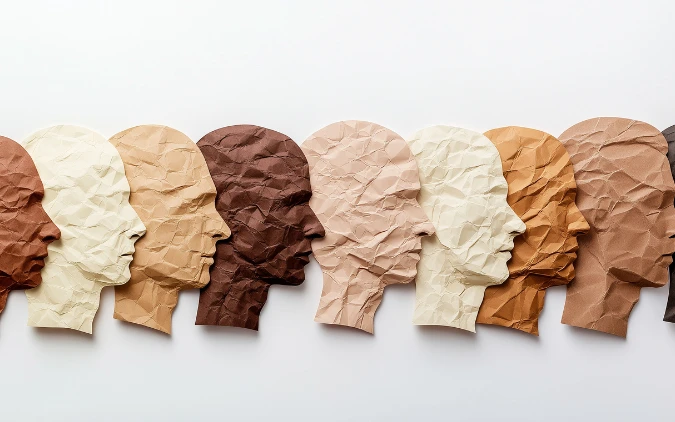
India's incredible diversity extends far beyond culture and language—it's beautifully reflected in the stunning spectrum of Indian skin tone types found across our nation. With over 1.4 billion people, India showcases one of the world's most varied ranges of skin complexions, from fair porcelain to rich espresso tones. Yet despite this natural diversity, many of us struggle to understand our own skin tone, leading to confusion about proper skincare routines and product choices. Understanding your specific skin tone isn't just about beauty—it's about giving your skin the targeted care it deserves, especially when dealing with common concerns like hyperpigmentation in Indian skin.
The science behind our skin color lies in melanin in skin—tiny pigment factories called melanocytes that determine our natural complexion. Indian skin typically falls between Types II to VI on the Fitzpatrick Scale, with most of us clustering around Types III to V. Geographic factors play a huge role too—coastal regions often see deeper tones due to sun exposure, while mountainous areas may have lighter complexions.
Our skin pigmentation types are influenced by centuries of genetic mixing, creating unique combinations you won't find anywhere else in the world. This diversity is our strength, but it also means we need personalized approaches to skincare.
Fair Indian skin appears ivory to light beige and is more common in northern regions. This skin type burns easily and requires extra sun protection. Light to medium tones show beige to golden hues and represent a significant portion of the Indian population.
The wheatish skin tone is perhaps India's most celebrated complexion—that beautiful golden-brown hue that glows naturally. Olive or dusky skin shows rich, warm undertones and tans beautifully. Dark Indian skin ranges from deep brown to espresso and offers natural protection against UV damage while requiring specialized care for concerns like dark spots.
While your surface skin complexion is what you see in the mirror, Indian skin undertones are the subtle hues beneath that affect how colors look on you. About 70% of Indians have warm undertones—those golden, yellow, or peachy hints that make gold jewelry look stunning.
Cool undertones show blue, pink, or reddish hints and are less common but equally beautiful. Neutral undertones blend warm and cool elements perfectly.
Look at your wrist veins in natural light. Green veins usually indicate warm undertones, while blue or purple veins suggest cool undertones. If you can't tell, you likely have neutral undertones.
Try holding white and off-white fabrics near your face. Warm undertones look better in off-white, while cool undertones shine in pure white. Your jewelry preferences also offer clues—gold lovers typically have warm undertones, while silver enthusiasts often have cool ones.
Our melanin-rich skin is both a blessing and a challenge. While it provides natural sun protection, hyperpigmentation in Indian skin can develop more easily and appear more pronounced than in lighter skin tones. Common triggers include sun exposure, hormonal changes, acne, and even minor injuries.
The good news? Treating hyperpigmentation effectively is possible with the right approach. Prevention remains key—daily sunscreen use is non-negotiable for all Indian skin tones, even dark Indian skin that seems naturally protected.
Fair Indian skin needs broad-spectrum SPF 30 or higher, reapplied every two hours. Medium and wheatish skin tone types should use SPF 30 daily and increase to SPF 50 during peak sun hours.
Dark Indian skin benefits from SPF 30 minimum, focusing on preventing post-inflammatory hyperpigmentation from acne or minor cuts. All skin tones should incorporate gentle exfoliation and targeted treatments for existing dark spots.
A proper skin tone chart helps you identify where you fall on the spectrum and understand your skin's unique needs. Unlike generic charts, Indian-specific guides account for our diverse undertones and regional variations.
Remember that your skin tone can vary seasonally—many Indians notice their complexion deepens during summer months and lightens during winter. This natural variation is completely normal and doesn't change your underlying undertone.
Northern India shows more variation, from fair to medium tones with mixed undertones. Southern regions typically display warm undertones with medium to dark complexions. Eastern India often features cool to neutral undertones, while western coastal areas show predominantly warm, olive-toned skin.
Regardless of where you fall on the Indian skin tone types spectrum, certain principles apply universally. Sun protection forms the foundation of any good routine, followed by gentle cleansing and adequate hydration.
For fair Indian skin, focus on prevention with higher SPF and antioxidant-rich products. Medium tones benefit from balanced routines that maintain natural radiance while preventing damage. Darker skin tones should prioritize ingredients that prevent and treat hyperpigmentation while maintaining the skin's natural moisture barrier.
Niacinamide works beautifully across all Indian skin tone types, helping to regulate oil production and fade dark spots. Vitamin C provides antioxidant protection and brightening benefits, while gentle acids like kojic acid can help with targeted spot treatment.
The wheatish skin tone is most prevalent across India, representing approximately 40-45% of the population. This golden-brown complexion with warm undertones is found across all regions, though it's particularly common in central and western India.
Examine your skin in natural daylight, not artificial lighting. Look at areas that don't get much sun exposure, like your inner arm. Compare your skin to a reliable skin tone chart and consider your undertones using the vein test or fabric comparison method.
Your base skin tone remains relatively stable, but surface skin complexion can vary due to sun exposure, age, hormones, and skincare routines. Many Indians notice seasonal variations, with skin appearing darker in summer and lighter in winter.
Higher melanin in skin makes Indian skin more reactive to inflammation, sun exposure, and hormonal changes. While this melanin provides natural sun protection, it also means our skin produces more pigment in response to triggers, leading to hyperpigmentation in Indian skin.
Absolutely! Even dark Indian skin with natural protection can develop sun damage, premature aging, and hyperpigmentation. Fair to medium tones are at higher risk for burns, while darker tones still need protection against UV-induced dark spots and uneven tone.
Your skin tone is the surface color you see—fair, medium, dark. Indian skin undertones are the subtle hues beneath—warm (yellow/golden), cool (pink/blue), or neutral (balanced). Understanding both helps you choose the right makeup shades and skincare products.
Understanding your specific place among the diverse Indian skin tone types empowers you to make better skincare choices and embrace your natural beauty. Whether you have fair Indian skin that needs extra protection or dark Indian skin that requires targeted hyperpigmentation care, the key lies in personalized routines that honor your skin's unique needs.
Remember that India's skin tone diversity is something to celebrate, not categorize into hierarchies. Every shade on our spectrum has its own beauty and specific care requirements. By understanding your skin complexion and undertones, you're taking the first step toward healthier, more radiant skin that reflects your natural glow.
