

Hyperpigmentation: Natural Fade vs. Professional Care
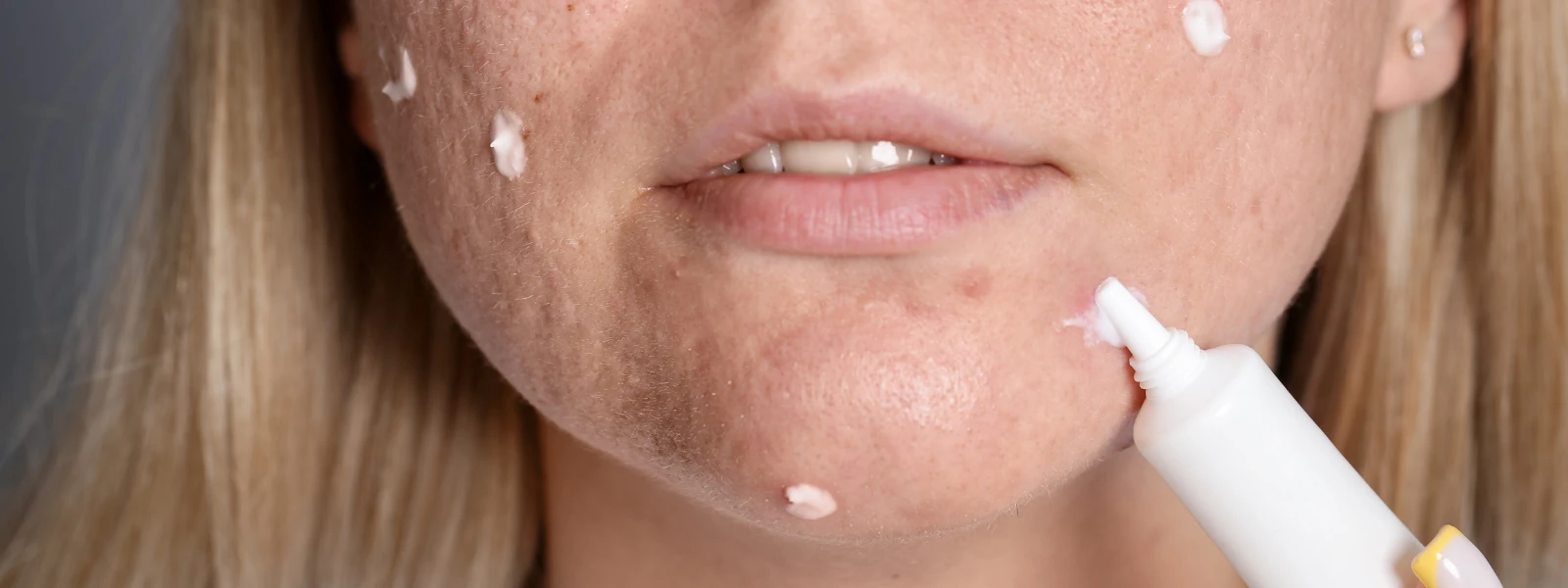
Dark spots and uneven skin tone can feel frustrating, especially when you're wondering if they'll ever fade on their own. The truth is, some types of hyperpigmentation do improve naturally over time, while others need professional help to see real results. Understanding which category your skin discoloration falls into can save you months of waiting and help you make the right choice for your skin. Whether you're dealing with acne marks, sun damage, or hormonal changes, knowing what to expect from natural healing versus professional treatment will guide you toward clearer, more even-toned skin.
Hyperpigmentation happens when your skin produces too much melanin in certain areas, creating those frustrating dark patches we all want to fade. Think of melanin as your skin's natural sunscreen - it's supposed to protect you from UV damage, but sometimes the system goes into overdrive.
Your skin cells called melanocytes create melanin to shield deeper layers from damage. When these cells get triggered by injury, hormones, or sun exposure, they can pump out extra pigment that gets trapped in your skin. This creates the uneven skin tone and dark spots on skin that can stick around long after the original trigger is gone.
Several factors can kick your melanin production into high gear. Sun exposure remains the biggest culprit, creating those stubborn sunspots that seem to appear overnight. Hormonal changes during pregnancy or from birth control can trigger melasma, those symmetrical patches that often show up on the face. Post-inflammatory responses from acne, cuts, or even aggressive skincare can leave behind dark marks that take months to fade. Age also plays a role, as your skin's ability to heal and turn over cells slows down over time.
Not all types of hyperpigmentation behave the same way. Some fade on their own with patience and good skincare, while others dig in for the long haul and need professional intervention to budge.
This type develops after your skin heals from acne, cuts, or irritation. The good news? Post-inflammatory hyperpigmentation often fades naturally as your skin cycles through its renewal process. Most people see improvement within 3-6 months if they protect their skin from sun exposure and avoid picking at healing spots.
Hormonal changes create some of the most stubborn pigmentation patterns. Pregnancy-related melasma might start fading 3-6 months after delivery as hormone levels normalize, but complete clearing can take up to two years. Some women find their melasma never fully disappears without professional help.
These UV-induced spots rarely fade on their own because the damage sits deep in your skin layers. While surface-level sun damage might lighten slightly with diligent sun protection, established age spots typically need professional treatment to see significant improvement.
The timeline for natural fading depends on several factors, and patience becomes your best friend in this process. Your skin's natural renewal cycle takes about 28 days, but deeper pigmentation needs multiple cycles to show real improvement.
Minor post-inflammatory marks from recent acne or small injuries often show improvement within 3-6 months. Moderate pigmentation from deeper inflammation or mild hormonal changes typically takes 6-12 months to fade noticeably. Deep or severe cases, especially those involving melasma or long-standing sun damage, may take over a year or might not fade completely without professional intervention.
Your skin type plays a huge role in how quickly pigmentation fades. People with lighter skin tones often see faster natural improvement, while those with darker skin may experience longer-lasting marks. Age affects the process too - younger skin turns over cells more quickly, speeding up the fading process. The depth of pigmentation matters most, though. Surface-level discoloration fades much faster than pigment trapped in deeper skin layers.
Understanding which cases improve naturally versus those that need help can save you time and frustration. Some types of pigmentation respond well to patience and good skincare, while others require professional intervention from the start.
Fresh post-inflammatory hyperpigmentation from recent acne breakouts often fades on its own with consistent sun protection. Mild hormonal changes, like those experienced during pregnancy, may resolve as hormone levels return to normal. Surface-level sun damage can lighten with diligent broad-spectrum sunscreen use and gentle exfoliation.
Deep melasma that's been present for years rarely fades completely without professional help. Long-standing age spots and solar damage have usually penetrated too deeply for natural processes to clear effectively. If you have a genetic predisposition to persistent pigmentation, you'll likely need professional hyperpigmentation treatment to see significant results.
While waiting for natural fading, you can support your skin's healing process with gentle, evidence-based approaches. These methods won't work miracles overnight, but they can help speed up the natural process and prevent new spots from forming.
Vitamin C serums provide antioxidant protection and can help brighten existing pigmentation over time. Gentle exfoliation with alpha hydroxy acids helps remove dead skin cells and encourages faster cell turnover. Natural brightening ingredients like kojic acid, arbutin, and licorice root extract can help inhibit melanin production when used consistently.
Prevention remains your most powerful tool against new hyperpigmentation. Broad-spectrum sunscreen with at least SPF 30 should be your daily non-negotiable, even on cloudy days. Studies show that consistent sunscreen use during pregnancy can reduce melasma incidence by over 90%. Avoiding picking at acne or healing wounds prevents post-inflammatory hyperpigmentation from developing in the first place.
Sometimes natural fading isn't enough, and that's perfectly normal. Professional treatments can dramatically speed up the process and tackle stubborn pigmentation that refuses to budge on its own.
If your pigmentation hasn't improved after 6-12 months of consistent home care and sun protection, it's time to consider professional help. Rapid changes in existing spots or new pigmentation that appears quickly should be evaluated by a dermatologist. When hyperpigmentation significantly impacts your confidence or quality of life, professional treatment can provide faster, more dramatic results.
Chemical peels use controlled acids to remove damaged skin layers and accelerate cell turnover. Laser treatments can target specific pigmented areas with precision, breaking up melanin deposits that natural processes can't clear. Prescription topical treatments like tretinoin, hydroquinone, or newer alternatives can provide stronger results than over-the-counter options. Many dermatologists recommend combination therapy approaches that use multiple methods for optimal results.
Minor hyperpigmentation can fade in 3-6 months, while deeper pigmentation may take 1+ years or require professional treatment. The timeline depends on the type and depth of pigmentation.
Post-inflammatory hyperpigmentation from acne typically fades naturally over 6-12 months with proper sun protection and gentle care. Fresh marks fade faster than older ones.
Yes, using broad-spectrum sunscreen from the first trimester can reduce melasma incidence by over 90%. Consistent sun protection is crucial during hormonal changes.
Pregnancy-related melasma often begins fading 3-6 months postpartum as hormones normalize, but may take up to 2 years or require treatment for complete clearing.
The question "can hyperpigmentation go away on its own" doesn't have a simple yes or no answer. Fresh, surface-level pigmentation from recent acne or minor sun damage often fades naturally with time and proper care. However, deep melasma, established age spots, and long-standing pigmentation typically need professional intervention to see significant improvement. The key is understanding your specific type of hyperpigmentation and setting realistic expectations for natural fading versus professional treatment. Remember that prevention through consistent sun protection remains your best strategy for avoiding new pigmentation, regardless of which treatment path you choose.
