

Hyperpigmentation Fade Time: Expert Answers Revealed
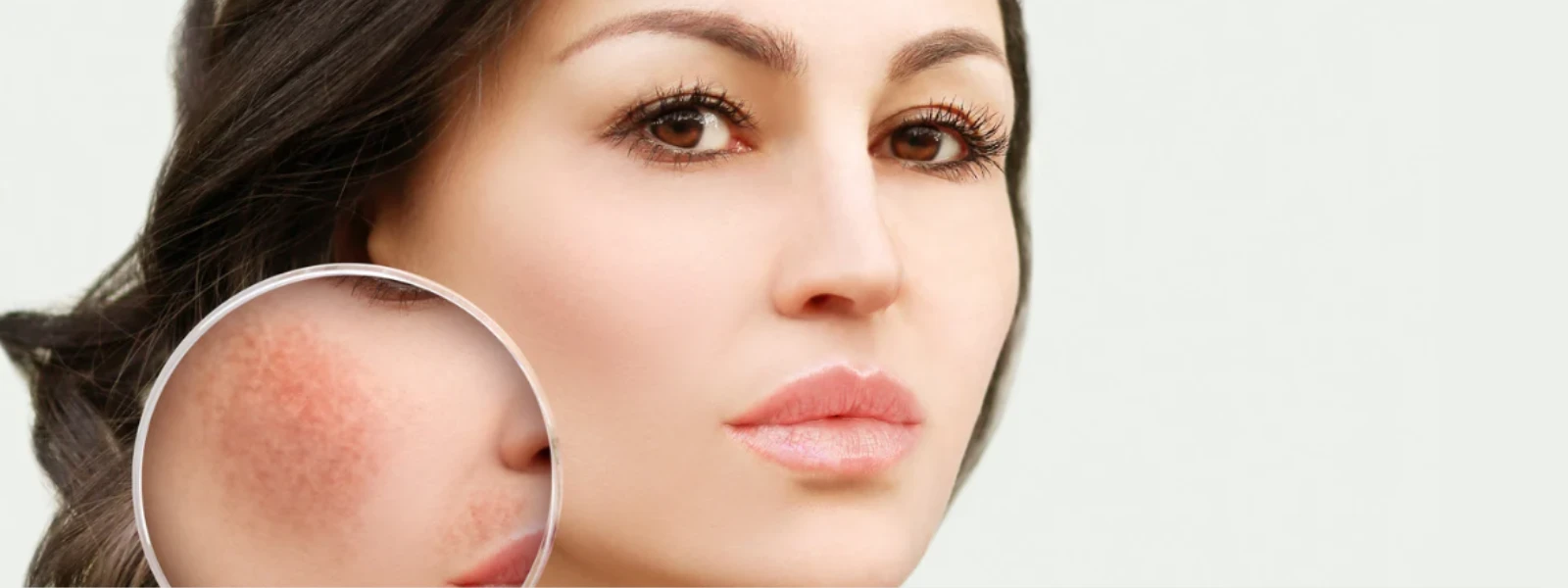
Dark spots and uneven skin tone can feel overwhelming, especially when you're wondering how long the journey to clearer skin will take. The truth is, hyperpigmentation fade time varies dramatically from person to person, ranging anywhere from a few months to several years. Understanding realistic timelines helps set proper expectations and prevents the frustration that comes with unrealistic goals. Whether you're dealing with acne marks, sun damage, or melasma, knowing what influences fade time empowers you to make informed decisions about your skincare journey.
Hyperpigmentation occurs when your skin produces excess melanin in response to various triggers. This melanin production creates the dark patches and spots that characterize uneven skin tone. The process isn't random – specific factors determine where and how intensely pigmentation develops. Skin discoloration causes include sun exposure, hormonal changes, inflammation from acne, and even minor injuries like cuts or bug bites. When your skin perceives any of these as threats, melanocytes (pigment-producing cells) go into overdrive, creating protective melanin that often persists long after the initial trigger disappears.
Post inflammatory hyperpigmentation develops after skin trauma like acne, cuts, or burns. These spots typically appear darker than your natural skin tone and can range from light brown to deep black, depending on your skin's melanin levels. Sunspots removal addresses age spots or solar lentigines that develop from cumulative UV exposure. These tend to be lighter brown and appear on frequently exposed areas like the face, hands, and shoulders. Melasma presents as symmetrical patches, often triggered by hormonal changes during pregnancy or birth control use. This type tends to be the most stubborn and requires specialized treatment approaches.
The depth of pigmentation significantly impacts fade time. Surface-level melanin deposits in the epidermis typically fade faster than deep dermal pigmentation. Additionally, newer spots generally respond better to treatment than long-established hyperpigmentation that has had years to settle into the skin. Skin tone also plays a crucial role. Darker skin naturally produces more melanin and often experiences longer-lasting pigmentation. This isn't a disadvantage – it's simply how different skin types respond to triggers and healing.
Understanding realistic timelines prevents disappointment and helps you stay committed to your treatment routine. The question "how long does hyperpigmentation take to fade" doesn't have a one-size-fits-all answer, but general patterns can guide your expectations. Natural skin cell turnover occurs approximately every 28 days, but this process slows with age and varies by individual. Without intervention, mild hyperpigmentation might fade on its own, while deeper or more extensive pigmentation typically requires active treatment.
Mild acne marks and recent sun damage often fall into this category. These spots affect primarily the upper layers of skin and respond well to consistent skincare routines. Factors that accelerate natural fading include regular exfoliation, sun protection, and maintaining healthy skin barrier function. Younger skin typically experiences faster turnover, potentially reducing this timeline to 4-8 months with proper care.
Stubborn melasma and chronic sun spots require patience and often professional intervention. These deep-seated pigment deposits have established themselves in the dermis, making them resistant to surface treatments alone. Some spots may never fully disappear without aggressive treatment, but significant improvement is usually achievable with consistent effort and appropriate therapies.
Acne-related dark spots typically require 12 months for noticeable improvement without treatment. However, studies show that 22% of cases persist beyond five years, highlighting the importance of early intervention. Prevention during active breakouts significantly reduces the severity and duration of resulting hyperpigmentation. This means treating acne promptly and avoiding picking or squeezing blemishes.
Active hyperpigmentation treatment dramatically reduces fade times compared to natural healing alone. Different approaches offer varying timelines and results, allowing you to choose methods that fit your lifestyle and budget. Consistency remains the most critical factor in treatment success. Sporadic application or frequent product switching can actually extend fade times by preventing your skin from adapting to active ingredients.
Vitamin C serums typically show visible improvement within 8-12 weeks of consistent daily use. This powerful antioxidant helps prevent new pigmentation while gradually lightening existing spots through its melanin-inhibiting properties. Retinoids and tretinoin require 3-6 months for significant fading but offer some of the most dramatic long-term results. These ingredients accelerate cell turnover, bringing pigmented cells to the surface more quickly while preventing new melanin formation. Hyperpigmentation creams containing hydroquinone or kojic acid often show initial results within 6-8 weeks. However, hydroquinone requires careful monitoring and shouldn't be used continuously for extended periods without professional guidance.
Chemical peels typically require 4-6 sessions over 3-4 months for optimal results. The depth and type of peel determine both effectiveness and recovery time, with deeper peels offering faster results but requiring more downtime. Laser treatments vary widely in their approach and timeline. Some patients see improvement after a single session, while others require 2-6 months of treatments for complete results. The specific laser type and your skin's response determine the exact timeline. Microneedling combined with topical treatments often requires 3-6 sessions spaced 4-6 weeks apart. This approach stimulates natural healing while enhancing product absorption for improved results.
Several key factors influence how quickly your hyperpigmentation responds to treatment. Understanding these variables helps set realistic expectations and optimize your approach. Skin type and natural melanin levels significantly impact treatment response. Higher melanin content often means longer treatment times but also better protection against future damage. This isn't a limitation – it's simply a characteristic that requires adjusted expectations and potentially modified treatment approaches. Spot depth and age matter tremendously. Recent pigmentation in the upper skin layers responds much faster than years-old spots that have settled into deeper tissue layers. This is why early intervention proves so valuable. Daily sun exposure habits can make or break your progress. Even minimal UV exposure can trigger new melanin production, essentially undoing treatment progress. Consistent SPF 30+ protection isn't optional – it's essential for success. Treatment consistency determines results more than product choice. Skipping applications or frequently changing products extends timelines by preventing your skin from adapting to active ingredients and maintaining steady progress.
Accelerating hyperpigmentation fading requires a strategic approach that balances effectiveness with skin health. Aggressive treatments often backfire by causing irritation that triggers more pigmentation. The most effective approach combines prevention (sun protection), active treatment (targeted ingredients), and support (maintaining skin barrier health). This three-pronged strategy addresses existing pigmentation while preventing new spots from forming.
Morning routines should focus on protection and antioxidant support. Start with a gentle cleanser, apply vitamin C serum, follow with moisturizer, and finish with broad-spectrum sunscreen. This sequence provides protection while supporting your skin's natural repair processes. Evening routines allow for more active ingredients. After cleansing, apply treatment products like retinoids or hydroquinone, then seal with a nourishing moisturizer. The order matters – apply thinnest to thickest consistency for optimal absorption. Weekly gentle exfoliation helps reduce hyperpigmentation by removing dead skin cells and improving product penetration. However, over-exfoliation can cause irritation and worsen pigmentation, so moderation is key.
Vitamin C and niacinamide work synergistically to brighten skin and reduce inflammation. This combination is generally well-tolerated and suitable for daily use across most skin types. Retinoids paired with azelaic acid offer powerful pigmentation-fighting benefits while minimizing irritation. Start slowly with this combination, gradually increasing frequency as your skin adapts. Certain combinations should be avoided to prevent irritation. Using multiple acids simultaneously or combining retinoids with benzoyl peroxide can cause inflammation that actually worsens hyperpigmentation.
Some mild hyperpigmentation may fade naturally over 1-2 years, but deeper or extensive pigmentation typically requires active treatment. Age, skin type, and the underlying cause all influence natural fading potential.
The safest acceleration methods include consistent use of proven ingredients like vitamin C, retinoids, and niacinamide, combined with religious sun protection. Professional treatments like chemical peels can speed results but should be performed by qualified practitioners.
Most people notice subtle changes within 30-60 days of consistent treatment, with more obvious improvement appearing around the 90-day mark. However, complete fading typically requires 6-18 months depending on the severity and type of pigmentation.
This is often normal during treatment as deeper pigment is brought to the surface before being shed. However, if darkening persists beyond 4-6 weeks or is accompanied by irritation, consult a dermatologist to adjust your treatment approach.
Yes, hyperpigmentation can return if the underlying triggers aren't addressed. Consistent sun protection, gentle skincare practices, and prompt treatment of acne or inflammation help prevent recurrence. Many people maintain results with ongoing use of mild treatment products.
Hyperpigmentation fading is a journey that requires patience, consistency, and realistic expectations. While surface-level spots may improve in 6-12 months, deeper pigmentation often requires 1-2 years of dedicated treatment. The key to success lies in understanding your specific type of hyperpigmentation, choosing appropriate treatments, and maintaining consistent daily care. Remember that prevention through sun protection and gentle skincare practices is just as important as active treatment in achieving and maintaining clear, even-toned skin.
