


Hyperpigmentation 2: Your Complete Treatment Guide
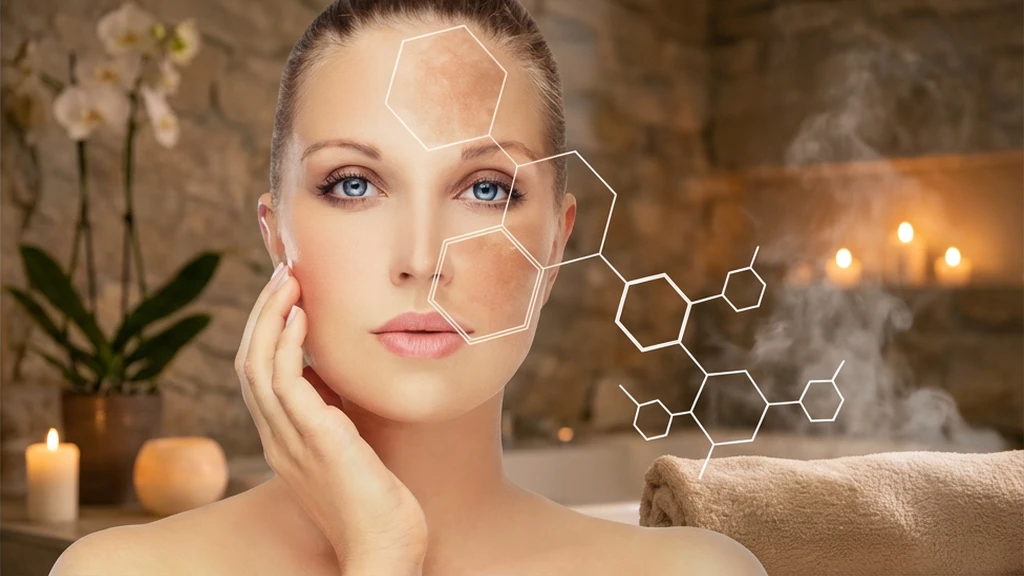
Dark spots, uneven skin tone, and stubborn patches of discoloration can feel like an uphill battle. You've probably tried countless products promising to fade hyperpigmentation, only to see minimal results. The truth is, not all ingredients are created equal when it comes to melanin reduction. Some work faster, others are gentler, and many require specific combinations to unlock their full potential. Understanding which ingredients that reduce hyperpigmentation actually deliver results can transform your skincare routine from guesswork into a science-backed strategy. Whether you're dealing with post-acne marks, melasma, or sun damage, the right ingredients can help you achieve the clear, even complexion you've been seeking.
Hyperpigmentation occurs when melanocytes produce excess melanin in response to triggers like inflammation, hormones, or UV exposure. However, not all dark spots are the same. Some forms of hyperpigmentation treatment work better for certain types of discoloration than others. Post-inflammatory hyperpigmentation from acne responds differently than melasma caused by hormonal changes. Sun spots require different approaches than age-related discoloration. The depth of pigmentation also matters - surface-level spots fade faster than deeper melanin deposits. This is why many people find that basic treatments fall short. Single-ingredient solutions often lack the power to address complex pigmentation patterns. Successful melanin reduction typically requires a multi-pronged approach that targets different stages of the pigmentation process.
The most effective skin brightening ingredients work by either blocking melanin production, accelerating cell turnover, or both. These powerhouse actives have extensive research backing their ability to fade dark spots and create more even skin tone.
Hydroquinone remains the clinical gold standard for treating stubborn hyperpigmentation. At concentrations of 2-4%, it blocks tyrosinase, the enzyme responsible for melanin production. Tretinoin accelerates cellular turnover, helping pigmented cells shed faster while preventing new dark spots from forming. Thiamidol, a patented ingredient, specifically targets the root cause of hyperpigmentation with clinical studies showing visible improvement in just two weeks.
Vitamin C for hyperpigmentation works as both a melanin inhibitor and antioxidant protector. L-ascorbic acid provides the most potent results, while stable derivatives like magnesium ascorbyl phosphate offer gentler options for sensitive skin. Niacinamide reduces melanin transfer from melanocytes to skin cells, making it excellent for preventing new dark spots. The kojic acid benefits include natural tyrosinase inhibition, making it a popular alternative to hydroquinone.
Alpha hydroxy acids work by dissolving the bonds between dead skin cells, revealing brighter skin underneath while helping other active ingredients penetrate deeper. These chemical exfoliants are essential for comprehensive uneven skin tone correction. Glycolic acid, with its small molecular size, penetrates deepest and works fastest on stubborn spots. Lactic acid provides similar benefits with less irritation, making it suitable for sensitive skin. Mandelic acid's larger molecules make it the safest choice for darker skin tones, where aggressive treatments can worsen pigmentation.
Start with lower concentrations and gradually increase frequency. Home-use products typically contain 5-10% glycolic acid or 5-15% lactic acid. Professional peels use higher concentrations but require expert application. Always use sunscreen when incorporating acids into your routine, as they increase photosensitivity.
While synthetic ingredients often work faster, several natural skin lighteners offer effective alternatives with gentler side effect profiles. These botanical ingredients can be particularly beneficial for those with sensitive skin or concerns about long-term use of stronger actives.
Licorice root extract contains glabridin, which inhibits tyrosinase activity without causing cell toxicity. Arbutin, derived from bearberry plants, converts to hydroquinone in the skin but with less irritation potential. Mulberry extract has been used traditionally for centuries and modern research confirms its melanin-blocking properties.
Green tea polyphenols not only help reduce skin discoloration but also protect against future damage from free radicals. These ingredients work more slowly than synthetic alternatives but offer additional skin health benefits. Combining natural lighteners with other actives can enhance results while maintaining gentleness.
Not every ingredient works the same way on all skin tones. Darker skin requires more careful consideration to avoid triggering additional inflammation that can worsen hyperpigmentation. Lighter skin may tolerate stronger concentrations but still needs gradual introduction.
For melanin-rich skin, anti-inflammatory ingredients should be prioritized alongside brightening actives. Azelaic acid provides both benefits, reducing inflammation while inhibiting melanin production. Tranexamic acid has shown particular promise for treating melasma in darker skin tones without causing irritation.
Melasma requires hormone-aware treatment approaches, often combining multiple ingredients for best results. Post-acne hyperpigmentation responds well to salicylic acid combined with niacinamide. Sun damage benefits from vitamin C paired with gentle retinoids for cellular renewal.
Successful hyperpigmentation treatment requires strategic layering of ingredients while avoiding harmful interactions. The key is building tolerance gradually while maintaining consistent application for optimal results. Start with one active ingredient and introduce others slowly. Morning routines should focus on protection with vitamin C and sunscreen. Evening applications can include stronger actives like retinoids or acids. Always patch test new ingredients and monitor your skin's response.
Visible improvement typically takes 6-12 weeks of consistent use. Some ingredients work faster than others - vitamin C may show brightening effects within weeks, while deeper pigmentation may take months to fade. Maintenance protocols prevent recurrence and should include daily sun protection plus periodic use of active ingredients.
No single ingredient works best for everyone. Hydroquinone is considered the gold standard for stubborn spots, but vitamin C offers excellent results with fewer side effects. The most effective approach combines multiple ingredients that target different aspects of melanin production and skin renewal.
Both ingredients work differently and can be used together. Niacinamide prevents melanin transfer and reduces inflammation, making it excellent for sensitive skin. Glycolic acid accelerates cell turnover to reveal brighter skin faster. Combining them provides comprehensive treatment.
Salicylic acid primarily treats acne-related hyperpigmentation by preventing new breakouts and gently exfoliating the skin surface. While not as potent as other brightening ingredients, it's valuable for preventing post-inflammatory hyperpigmentation from acne.
Yes, but introduce them gradually and pay attention to your skin's tolerance. Some combinations work synergistically, like vitamin C with niacinamide, while others may cause irritation if used simultaneously. Alternate application times or days when starting new combinations.
Surface-level discoloration may improve within 4-6 weeks, while deeper pigmentation can take 3-6 months. Consistency is crucial - sporadic use significantly delays results. Some people see initial brightening within 2 weeks, but substantial fading requires patience and persistence.
Natural ingredients generally work more slowly but with fewer side effects. Synthetic ingredients like hydroquinone and tretinoin typically produce faster, more dramatic results. Many people successfully combine both approaches for optimal results with minimal irritation.
Effective hyperpigmentation treatment requires understanding that different ingredients work through various mechanisms. The most successful approaches combine multiple actives that target melanin production, accelerate cell turnover, and protect against future damage. Whether you choose prescription-strength ingredients, over-the-counter options, or natural alternatives, consistency and patience are essential for achieving lasting results. Remember that sun protection is non-negotiable during any brightening treatment, as UV exposure can quickly reverse your progress. Start slowly, build tolerance gradually, and don't hesitate to consult a dermatologist for persistent or severe hyperpigmentation that doesn't respond to over-the-counter treatments.
