


How to Use Niacinamide for Dark Spots Effectively
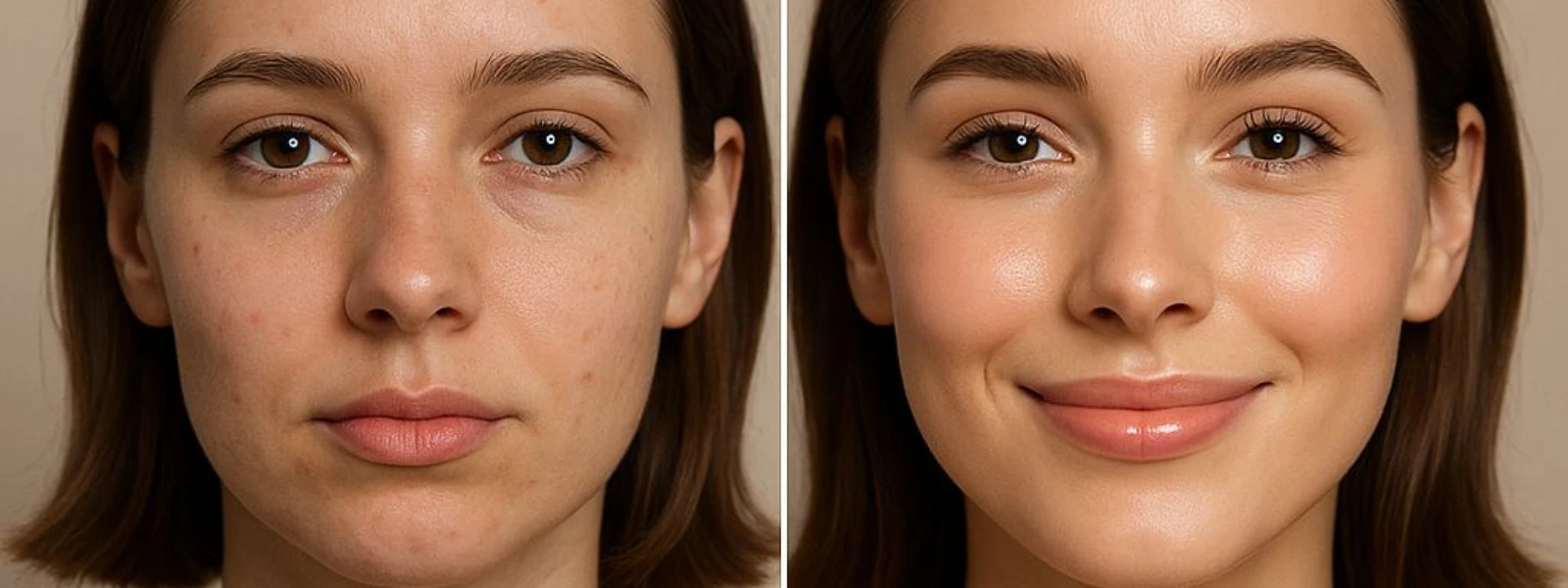
Dark spots can feel like unwelcome guests that overstay their welcome on your skin. Whether they're from old acne scars, sun damage, or hormonal changes, these stubborn marks can affect your confidence. The good news? Niacinamide has emerged as one of the most effective and gentle ingredients for fading hyperpigmentation. This powerhouse vitamin B3 derivative works differently than harsh bleaching agents, making it suitable for all skin types. Understanding how to use niacinamide for dark spots properly can transform your skincare routine and help you achieve the even-toned complexion you've been dreaming of.
Niacinamide is a form of vitamin B3 that has become a skincare superstar for good reason. This gentle yet effective ingredient works at the cellular level to address niacinamide dark spots through a unique mechanism. Unlike harsh bleaching agents that can irritate sensitive skin, niacinamide inhibits the transfer of melanin from melanocytes to keratinocytes. This scientific process essentially means it stops excess pigment from reaching the surface of your skin.
The niacinamide benefits for skin extend far beyond just dark spot treatment. This versatile ingredient also helps regulate oil production, minimize pore appearance, and strengthen your skin's protective barrier. Clinical studies have shown that consistent use can reduce dark spot intensity by up to 68% over 12 weeks.
Niacinamide proves particularly effective against several types of hyperpigmentation. Post-inflammatory hyperpigmentation from acne responds well to regular application, as does sun-induced damage and age spots. Even stubborn melasma can show improvement with consistent use, though it may require longer treatment periods.
Knowing exactly how to incorporate niacinamide serum dark spots treatment into your routine makes all the difference in seeing results. The key lies in proper application timing, technique, and consistency. Most people see the best results when using niacinamide twice daily, but the specific steps matter just as much as frequency.
Start with clean skin as your foundation. Any residue from makeup, sunscreen, or environmental pollutants can create a barrier that prevents your serum from penetrating effectively.
Your morning routine should follow this sequence: gentle cleanser, niacinamide serum, moisturizer, and broad-spectrum SPF 30 or higher. Apply 2-3 drops of niacinamide serum to your entire face, gently patting it in rather than rubbing. This patting motion helps the product absorb better without causing irritation.
Evening application allows niacinamide to work during your skin's natural repair cycle. After cleansing, apply your serum before any heavier treatments or moisturizers. If you use retinol or other active ingredients, niacinamide can actually help buffer potential irritation while enhancing overall results.
Not all niacinamide products are created equal, and finding the best niacinamide serum for your specific needs requires understanding concentration levels. The percentage of niacinamide in your product directly impacts both effectiveness and potential for irritation. Starting with the right concentration prevents setbacks and helps you build tolerance gradually.
Most dermatologists recommend beginning with a 5% concentration, especially if you have sensitive skin or are new to active ingredients. This level provides noticeable benefits while minimizing the risk of irritation.
A 5% concentration works beautifully for beginners and those with reactive skin. It provides gentle yet effective dark spot treatment without overwhelming your skin's natural processes. Once you've used 5% consistently for 4-6 weeks without irritation, you can consider moving to 10% for enhanced results.
Concentrations above 10% rarely provide additional benefits and may actually cause irritation that slows your progress. Your skin can only absorb so much niacinamide at once, making higher percentages more of a marketing gimmick than a skincare necessity.
Understanding when you'll see results helps maintain motivation during your hyperpigmentation treatment journey. Niacinamide works gradually, which means patience becomes your most important skincare tool. Unlike harsh treatments that promise overnight changes, niacinamide builds results steadily over time.
Most people notice initial skin texture improvements within the first two weeks. Your skin may appear smoother and more radiant before you see actual dark spot fading.
Weeks 1-2 typically bring improved skin texture and a subtle glow. Weeks 4-6 mark the beginning of visible dark spot fading, especially for newer marks. Weeks 8-12 show significant improvement in niacinamide hyperpigmentation treatment, with many people achieving their desired results during this timeframe.
Several factors affect how quickly you'll see results. Darker, deeper spots naturally take longer to fade than surface-level discoloration. Your skin type, age, and overall health also play roles in treatment speed. Most importantly, consistency with application and sun protection dramatically impacts your success timeline.
While niacinamide works wonderfully on its own, combining it with complementary ingredients can accelerate your results. The key lies in understanding which combinations enhance effectiveness and which might cause irritation. Smart layering transforms your routine from good to exceptional.
The most successful combinations focus on ingredients that work through different mechanisms. This approach targets dark spots from multiple angles while supporting overall skin health.
Niacinamide pairs beautifully with vitamin C for morning skin brightening niacinamide routines. This combination provides antioxidant protection while actively working to reduce dark spots. Evening combinations with retinol accelerate cell turnover, helping fade marks more quickly.
Adding hyaluronic acid to your routine supports the healing process by maintaining optimal hydration levels. Well-hydrated skin responds better to active treatments and experiences less irritation during the fading process.
Even with the best intentions, certain mistakes can sabotage your how to fade dark spots efforts. Recognizing these pitfalls early helps you avoid frustration and wasted time. The most common errors involve application technique, product selection, and unrealistic expectations.
Skipping sunscreen ranks as the biggest mistake people make during dark spot treatment. UV exposure can darken existing spots and create new ones faster than niacinamide can fade them.
Using too much product or applying it incorrectly reduces effectiveness. A few drops spread evenly across your face work better than heavy application in targeted areas. Inconsistent use also slows progress significantly, as niacinamide requires regular application to maintain its melanin-inhibiting effects.
Most people see initial improvements in 4-6 weeks with significant results appearing in 8-12 weeks of consistent twice-daily use. Deeper or older dark spots may require 3-6 months of treatment.
Yes, niacinamide and vitamin C work wonderfully together for dark spot treatment. Apply vitamin C in the morning followed by niacinamide, or use them at different times of day if you experience any irritation.
Start with 5% niacinamide if you have sensitive skin. You can gradually increase to 10% after 4-6 weeks if you experience no irritation. Higher concentrations aren't always better for sensitive skin types.
Apply niacinamide serum before moisturizer. The general rule is thinnest to thickest consistency, so serum goes on clean skin followed by moisturizer to seal in the treatment.
Using niacinamide for dark spots effectively requires patience, consistency, and proper technique. Start with a 5% concentration if you're new to active ingredients, and gradually work up to 10% for enhanced results. Apply twice daily on clean skin, always followed by moisturizer and morning sunscreen. Results typically appear in 4-6 weeks with significant improvement in 8-12 weeks. Remember that niacinamide works best as part of a comprehensive routine that includes sun protection and complementary ingredients. With consistent use and realistic expectations, this gentle yet powerful ingredient can help you achieve the even-toned, radiant complexion you desire.
