


How to Use Arbutin for Natural Skin Brightening and Hyperpigmentation Treatment
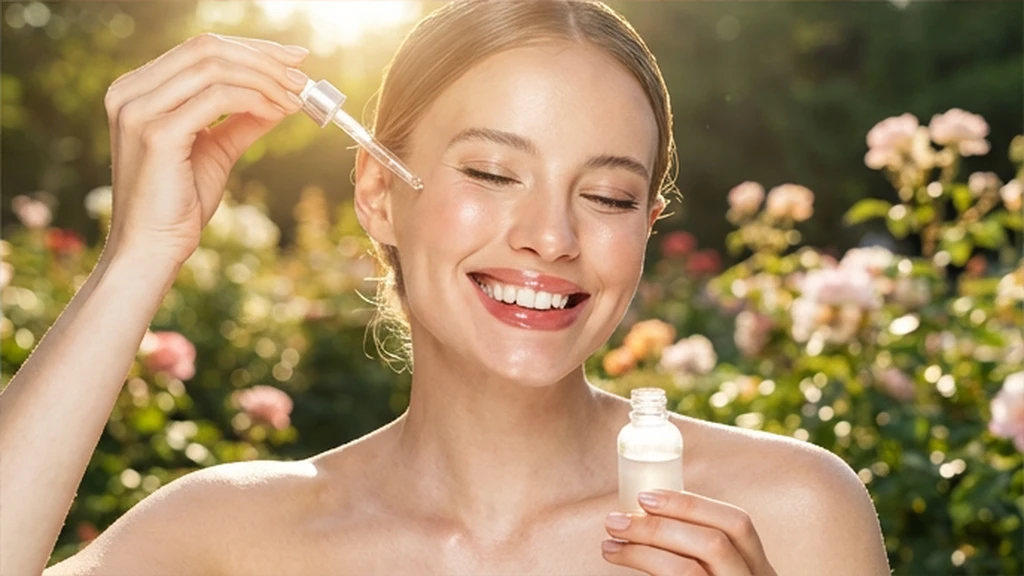
Dark spots, uneven skin tone, and stubborn hyperpigmentation can make anyone feel self-conscious about their complexion. While harsh chemical treatments might promise quick fixes, they often come with unwanted side effects and potential skin damage. Enter natural skin brightening arbutin – a gentle yet powerful botanical compound that's revolutionizing how we approach skin discoloration. Derived from plants like bearberry and pomegranate, arbutin offers a safer alternative to aggressive bleaching agents while delivering impressive results for those seeking radiant, even-toned skin.
Arbutin stands out as one of nature's most effective skin brightening compounds. This naturally occurring glycoside comes from the bearberry plant, though you can also find it in pears, pomegranates, and wheat. What makes natural skin brightening arbutin so special is its ability to inhibit tyrosinase, the enzyme responsible for melanin production in your skin.
When your skin produces too much melanin, you end up with dark spots and uneven patches. Arbutin steps in to slow down this process without completely stopping it, which means you maintain your natural skin tone while reducing unwanted pigmentation. Think of it as a gentle brake system for your skin's melanin factory.
You'll encounter two main types of arbutin in skincare products. Alpha arbutin is the more stable and potent form, offering better melanin reduction results. Beta arbutin, while still effective, breaks down more easily and works slower. Most premium skincare brands opt for alpha arbutin because it delivers more consistent arbutin benefits.
Clinical studies have shown impressive results when using arbutin for various types of skin discoloration. Research indicates that regular use can reduce dark spots by up to 60% within 12 weeks of consistent application. This makes it particularly effective for treating post-inflammatory hyperpigmentation from acne, melasma patches, and age spots.
The beauty of hyperpigmentation treatment with arbutin lies in its versatility. Unlike some brightening ingredients that only work on specific types of discoloration, arbutin tackles multiple pigmentation issues simultaneously.
Arbutin proves particularly effective for these common skin concerns:
Post-inflammatory hyperpigmentation from acne breakouts
Melasma and hormonal dark patches
Sun spots and photoaging damage
Acne scars and marks
General uneven skin tone
Most people notice initial improvements within 4-6 weeks of consistent use. However, significant skin brightening typically becomes apparent after 8-12 weeks. This gradual approach ensures your skin adjusts comfortably while building lasting results.
Getting the most from your arbutin serum or arbutin cream requires understanding proper application techniques. The concentration you choose matters significantly – beginners should start with 1-2% formulations, while experienced users can handle up to 5% concentrations.
Morning application works well for most people, but evening use can be equally effective. The key is consistency rather than timing. Apply your arbutin product to clean, dry skin before heavier moisturizers or oils.
For overall skin brightening, apply a thin layer across your entire face. If you're targeting specific dark spots, use a small amount directly on problem areas. Always follow with a broad-spectrum sunscreen during the day, as freshly brightened skin can be more sensitive to UV damage.
Arbutin plays well with most brightening skincare ingredients. Vitamin C enhances its effectiveness, while niacinamide helps refine pores and improve overall skin texture. Hyaluronic acid provides essential hydration that supports the brightening process.
Success with uneven skin tone treatment depends on following a structured approach. Start by thoroughly cleansing your skin and assessing the areas you want to target. This helps you track progress and adjust your routine as needed.
Always perform a patch test before using any new arbutin product. Apply a small amount to your inner wrist or behind your ear, then wait 24 hours to check for reactions. This simple step prevents potential irritation and ensures your skin tolerates the ingredient well.
Apply arbutin products after cleansing and toning but before heavier creams or oils. This allows the active ingredient to penetrate effectively while ensuring proper absorption. Follow this sequence for best results:
Gentle cleanser
Toner (if using)
Arbutin serum or treatment
Moisturizer
Sunscreen (morning routine)
Sunscreen becomes non-negotiable when using natural skin brighteners. UV exposure can reverse your progress and create new dark spots faster than arbutin can fade existing ones. Choose a broad-spectrum SPF 30 or higher and reapply throughout the day.
While arbutin is generally well-tolerated, some people may experience mild irritation, especially when starting treatment. Dryness, slight redness, or tingling sensations are normal during the first week of use. These effects typically subside as your skin adjusts to the ingredient.
Pregnant and nursing women should consult their healthcare provider before using arbutin products. Although it's considered safer than hydroquinone, it's always best to err on the side of caution during these sensitive periods.
Discontinue use if you experience severe irritation, persistent redness, or allergic reactions. These symptoms might indicate sensitivity to arbutin or other ingredients in your product. A dermatologist can help determine the cause and suggest alternatives.
Understanding what to expect helps you stay motivated throughout your skin brightening journey. Week one typically involves skin adjustment with minimal visible changes. By week four, you might notice subtle improvements in overall skin clarity and brightness.
The most dramatic results usually appear between weeks 8-12 of consistent use. Your skin type, the severity of pigmentation, and product concentration all influence how quickly you see changes. Documenting your progress with photos can help you notice gradual improvements that might otherwise go unnoticed.
Several elements determine how well arbutin works for your specific skin concerns:
Consistency of application
Product concentration and quality
Skin type and sensitivity level
Severity and age of pigmentation
Sun protection habits
Overall skincare routine
Most people notice initial improvements within 4-6 weeks of consistent daily use. Significant brightening typically becomes visible after 8-12 weeks, though individual results may vary based on skin type and pigmentation severity.
Yes, arbutin and vitamin C work well together and can enhance each other's brightening effects. You can use them in the same routine, but consider alternating application times if you experience any irritation.
Arbutin is generally safe for daily use when used as directed. Start with once-daily application and gradually increase to twice daily if your skin tolerates it well. Always use sunscreen when using brightening ingredients.
Beginners should start with 1-2% arbutin concentrations to assess skin tolerance. You can gradually increase to higher concentrations (up to 5%) once your skin adjusts to the ingredient.
While arbutin is generally well-tolerated, some people may experience mild irritation, dryness, or tingling when first starting treatment. These effects usually subside within a week as skin adjusts to the ingredient.
Natural skin brightening with arbutin offers a gentle yet effective approach to treating hyperpigmentation and achieving more even skin tone. This botanical ingredient works by inhibiting melanin production without the harsh side effects associated with stronger chemical alternatives. Success depends on consistent application, proper sun protection, and realistic expectations about timeline and results.
Remember that skincare is a journey, not a destination. With patience and the right approach, arbutin can help you achieve the radiant, even-toned complexion you've been seeking while maintaining your skin's natural health and integrity.
