


How to Treat Pigmentation at Home: Natural Remedies for Dark Spots
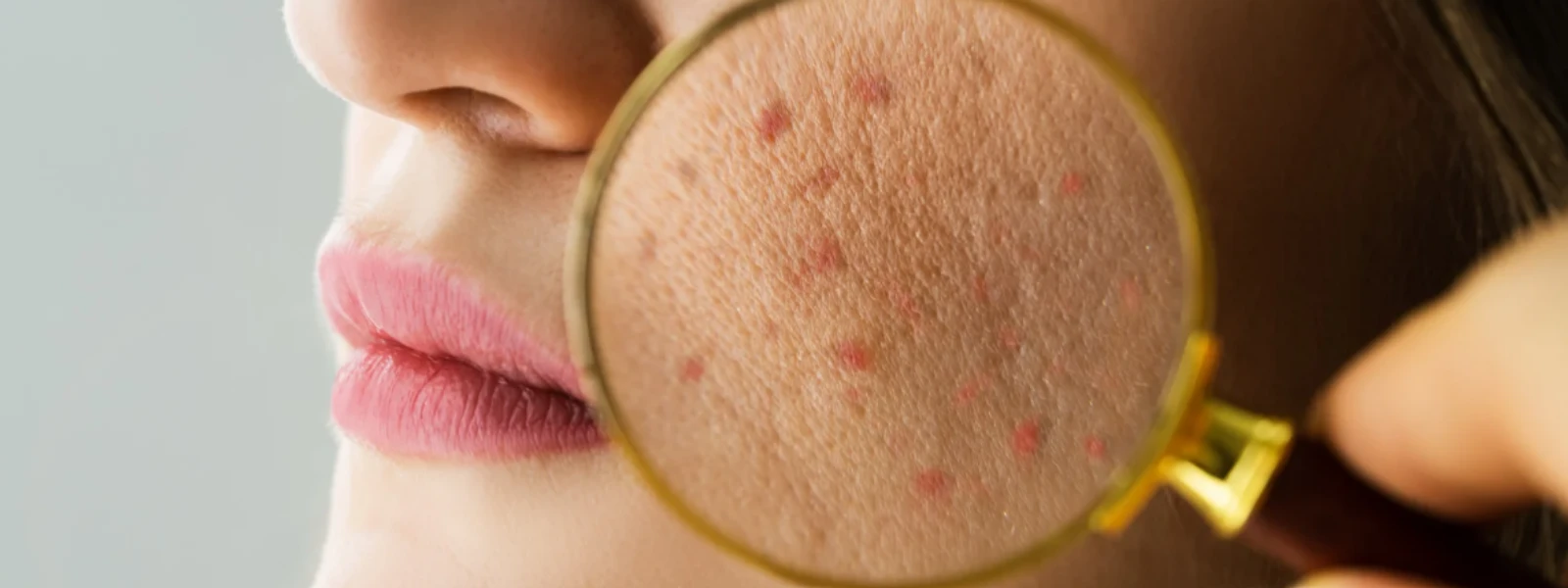
Dark spots and uneven skin tone can feel overwhelming, especially when they seem to appear overnight but take forever to fade. If you're dealing with stubborn pigmentation, you're not alone—millions of people search for effective home remedies pigmentation solutions every day. The good news? Your kitchen and medicine cabinet might already hold some powerful allies in your fight against dark spots. While professional treatments have their place, natural approaches can be surprisingly effective when used correctly and consistently. Let's explore science-backed methods that can help you achieve clearer, more even-toned skin from the comfort of your home.
Pigmentation occurs when your skin produces too much melanin—the pigment that gives your skin its color. This overproduction can happen due to sun exposure, hormonal changes, inflammation, or even genetics. The result? Those frustrating dark spots, melasma patches, or uneven skin tone that can make you feel self-conscious.
Natural hyperpigmentation treatment options work by gently inhibiting melanin production, promoting cell turnover, or providing antioxidant protection. Unlike harsh chemical peels, these remedies work gradually and are generally gentler on your skin barrier.
Not all dark spots are created equal. Age spots remedies work differently than treatments for melasma or post-acne marks. Sun-induced spots typically respond well to vitamin C and gentle acids, while hormonal pigmentation like melasma requires more patience and barrier-supporting ingredients.
Before diving into DIY recipes, let's understand which natural skin brighteners actually have research backing their effectiveness. These ingredients work by targeting different pathways in melanin production, making them powerful allies in your pigmentation reduction journey.
Vitamin C doesn't just boost your immune system—it's also one of the most effective skin discoloration remedies available. It works by inhibiting tyrosinase, the enzyme responsible for melanin production, while also providing antioxidant protection against future damage.
Also known as Vitamin B3, niacinamide is excellent for uneven skin tone correction. It strengthens your skin barrier while gradually fading dark spots, making it perfect for sensitive skin types who can't tolerate stronger acids.
Derived from bearberry plants, alpha arbutin is a gentler alternative to hydroquinone. It specifically targets melanin-producing cells without affecting surrounding healthy skin, making it ideal for targeted dark spots removal.
Your kitchen holds surprising treasures for skin lightening naturally. These time-tested remedies have been used for generations and now have scientific backing to support their effectiveness.
Mix one teaspoon of turmeric powder with two tablespoons of plain yogurt. The lactic acid in yogurt gently exfoliates while turmeric's curcumin provides anti-inflammatory and brightening benefits. Apply for 15 minutes, then rinse with lukewarm water.
Grate a fresh potato and squeeze out the juice. Apply directly to dark spots using a cotton pad. Potatoes contain vitamin C and mild acids that can help with sunspots treatment when used consistently over several weeks.
Soak half a cup of rice in two cups of water for 30 minutes, then strain. This rice water contains natural kojic acid and vitamins that can gradually lighten pigmentation. Use as a toner twice daily after cleansing.
Brew strong green tea, let it cool, then mix with raw honey. Green tea's polyphenols provide antioxidant protection while honey offers gentle exfoliation and hydration. This combination works well for melasma home treatment.
Consistency is key when treating pigmentation naturally. A well-structured routine ensures you're addressing dark spots while protecting your skin from further damage.
Start with a gentle cleanser, apply your vitamin C serum or natural brightening treatment, follow with moisturizer, and never skip sunscreen. SPF 30 or higher is non-negotiable—even indoor lighting can trigger melanin production in sensitive skin.
Cleanse thoroughly, apply your chosen natural treatment (like rice water or aloe vera), and finish with a nourishing moisturizer. Evening is when your skin repairs itself, making it the perfect time for active ingredients to work their magic.
While natural doesn't always mean harmless, most home remedies pigmentation treatments are gentler than chemical alternatives. However, some popular DIY ingredients can actually worsen pigmentation or cause irritation.
Avoid using lemon juice directly on your skin—its high acidity can cause burns and actually increase pigmentation when exposed to sunlight. Similarly, raw apple cider vinegar can disrupt your skin's pH balance and cause irritation.
Always test new ingredients on a small patch of skin before applying to your face. Apply the remedy to your inner wrist, wait 24 hours, and check for any redness, itching, or irritation before proceeding with facial application.
Natural remedies work gradually—typically showing initial results in 4-6 weeks with significant improvement in 3-6 months. Unlike professional treatments that might show faster results, natural approaches require patience but offer the benefit of being gentler on your skin and budget.
Remember that prevention is easier than treatment. Consistent sunscreen use and gentle skincare practices will prevent new dark spots from forming while you work on fading existing ones.
Most natural treatments show initial improvements in 4-6 weeks with consistent daily use. Significant results typically appear after 3-6 months. Patience is key—natural ingredients work gradually but safely.
Turmeric can help fade dark spots due to its curcumin content, but "permanent" removal depends on the type and depth of pigmentation. It's most effective for surface-level discoloration and works best when combined with sun protection.
While generally gentler than chemical treatments, natural ingredients can still cause reactions. Always patch test first, and those with sensitive skin should start with milder options like rice water or aloe vera.
Vitamin C-rich treatments like potato juice or DIY vitamin C serums tend to show results more quickly than other natural options. However, consistency matters more than speed when it comes to lasting results.
Yes, but introduce one ingredient at a time to monitor your skin's response. Layering too many active ingredients can cause irritation, especially if you have sensitive skin.
Natural pigmentation treatments offer a gentle, affordable path to clearer skin when used consistently and correctly. The key is understanding which ingredients work for your specific type of pigmentation and maintaining realistic expectations about timelines. Remember that sun protection is crucial—it prevents new dark spots while you work on fading existing ones. Start with one or two proven ingredients, be patient with the process, and always prioritize your skin's safety over quick fixes. With dedication and the right approach, you can achieve the even-toned, radiant skin you're looking for using simple, natural methods.
