

How to Treat Melasma: Complete Skincare Guide
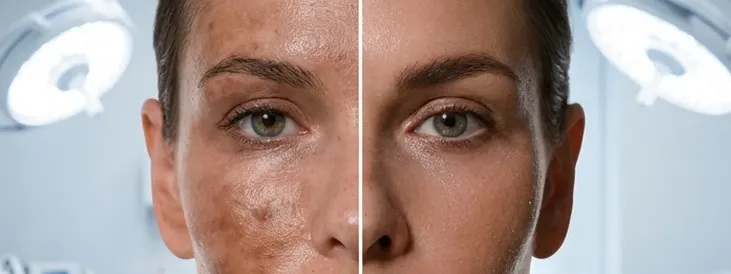
Facial dark spots melasma can feel overwhelming when you first notice those brown or gray patches appearing on your face. These stubborn marks often show up during pregnancy, after starting birth control, or following sun exposure. The good news? With the right approach and consistent care, you can significantly improve your skin's appearance and prevent new spots from forming. Understanding what causes melasma and knowing your treatment options empowers you to make informed decisions about your skincare journey. This guide walks you through everything from professional treatments to gentle home remedies, helping you create a plan that works for your lifestyle and skin type.
Melasma appears as brown to blue-gray patches with irregular, jagged borders on your face. Unlike regular age spots that are usually round and well-defined, melasma creates larger, map-like patterns across your skin. These patches typically show up symmetrically on both sides of your face, most commonly on your cheeks, forehead, nose bridge, chin, and upper lip. The key difference between melasma and other types of facial pigmentation lies in its triggers and appearance. Age spots develop from years of sun damage and appear as small, round dark circles. Post-inflammatory hyperpigmentation results from acne or injury and follows the exact shape of the original wound. Melasma, however, creates larger, irregular patches that often mirror each other on opposite sides of your face. This skin discoloration affects women more than men, with about 90% of cases occurring in females. The condition earned the nickname "pregnancy mask" because it frequently appears during pregnancy due to hormonal changes. However, melasma can affect anyone, regardless of pregnancy status.
Hormonal fluctuations serve as the primary trigger for melasma development. Pregnancy hormones, birth control pills, and hormone replacement therapy all increase melanin production in certain areas of your face. This explains why melasma often appears during pregnancy's second trimester or after starting new hormonal medications. Sun exposure acts as a major contributing factor, even if you don't burn easily. UV rays stimulate melanocytes (pigment-producing cells) to create more melanin in areas already prone to melasma. This is why existing patches often darken during summer months or after beach vacations. Genetic predisposition plays a significant role in determining who develops melasma. If your mother or grandmother experienced this condition, you're more likely to develop it yourself. People with naturally darker skin tones also face higher risk due to more active melanocytes. Heat exposure from sources like hot yoga classes, saunas, or even cooking over a hot stove can worsen existing melasma. The heat triggers inflammation, which stimulates additional pigment production. Even blue light from computer screens may contribute to melasma in some individuals, though research on this connection continues.
Professional melasma treatment offers the most effective approach for significant improvement. Dermatologists have access to prescription-strength ingredients and advanced procedures that deliver faster, more dramatic results than over-the-counter options.
Hydroquinone remains the gold standard for melasma treatment, available in concentrations up to 4% by prescription. This ingredient works by inhibiting tyrosinase, the enzyme responsible for melanin production. Most dermatologists recommend using hydroquinone for 3-4 months, followed by a maintenance period with gentler ingredients. Tretinoin and other prescription retinoids accelerate cell turnover, helping fade existing pigmentation while preventing new spots from forming. These medications work synergistically with hydroquinone, often prescribed together in combination formulas. Tretinoin also improves overall skin texture and reduces fine lines.
Chemical peels provide excellent results for dark spot removal when performed by experienced professionals. Medium-depth peels using trichloroacetic acid (TCA) or glycolic acid can significantly lighten melasma patches. Most patients need a series of 3-6 peels spaced several weeks apart. Laser therapy offers targeted treatment for stubborn patches, though it requires careful selection of the right laser type. Fractional lasers and Q-switched lasers show promising results when used by dermatologists experienced in treating melasma. However, improper laser treatment can worsen pigmentation, making professional expertise crucial. Microneedling combined with vitamin C or kojic acid serums enhances product penetration while stimulating collagen production. This treatment helps with both pigmentation and overall skin texture. The tiny needles create channels that allow active ingredients to reach deeper skin layers more effectively.
While professional treatments offer faster results, several natural ingredients can help improve melasma when used consistently. Vitamin C serums containing L-ascorbic acid or magnesium ascorbyl phosphate provide antioxidant protection while gently lightening dark spots. Apply vitamin C in the morning under sunscreen for best results. Niacinamide (vitamin B3) reduces inflammation and helps regulate melanin production without irritation. This gentle ingredient works well for sensitive skin and can be used twice daily. Look for products containing 5-10% niacinamide for optimal effectiveness. Licorice root extract contains glabridin, a compound that inhibits tyrosinase activity similar to hydroquinone but more gently. Kojic acid, derived from fermented rice, also helps lighten pigmentation through tyrosinase inhibition. These natural alternatives work more slowly than prescription treatments but offer gentler options for sensitive skin. Building an effective daily routine involves layering these ingredients properly. Start with a gentle cleanser, apply treatment serums to damp skin, follow with moisturizer, and always finish with broad-spectrum SPF 30 or higher during the day. Consistency matters more than using multiple products simultaneously.
Preventing uneven skin tone requires diligent sun protection year-round, not just during summer months. Choose broad-spectrum sunscreens with SPF 30 or higher containing zinc oxide or titanium dioxide. These mineral ingredients provide physical protection without potentially irritating chemical filters. Reapply sunscreen every two hours when outdoors, and don't forget often-missed areas like your ears, neck, and the area around your eyes. Wearing wide-brimmed hats and seeking shade during peak sun hours (10 AM to 4 PM) provides additional protection. Hormonal management plays a crucial role in melasma prevention. If you're considering birth control or hormone replacement therapy, discuss melasma risk with your healthcare provider. Some formulations may be less likely to trigger pigmentation changes. Heat avoidance helps prevent existing melasma from worsening. Use fans instead of getting too close to hot stoves, choose cooler exercise environments when possible, and be mindful of heat exposure from hair dryers or other styling tools near your face. Regular skincare maintenance with gentle exfoliation and antioxidant protection helps keep your skin healthy and more resistant to pigmentation changes. Avoid harsh scrubs or aggressive treatments that could trigger inflammation and worsen sunspots on face.
Most people see initial improvement within 6-8 weeks of consistent treatment, with significant results appearing after 3-6 months. Professional treatments typically work faster than natural remedies, but patience remains essential for lasting results.
Yes, melasma can return if triggers like sun exposure or hormonal changes occur again. Maintenance treatments and consistent sun protection help prevent recurrence. Many people need ongoing skincare routines to keep melasma at bay.
Melasma creates larger, irregular patches that appear symmetrically on both sides of the face, while age spots are typically smaller, round, and scattered randomly. Melasma is primarily hormone-triggered, whereas age spots result mainly from cumulative sun damage.
Prescription treatments may cause initial redness, dryness, or peeling as your skin adjusts. Professional procedures can result in temporary swelling or darkening before improvement occurs. Always follow your dermatologist's instructions and report any concerning reactions.
Combination therapy using prescription hydroquinone with tretinoin typically provides the best results. Chemical peels and certain laser treatments can enhance these effects when performed by experienced professionals.
Treating facial dark spots melasma requires patience, consistency, and often a combination of approaches. Professional treatments offer faster, more dramatic results, while natural remedies provide gentler alternatives for sensitive skin. Prevention through diligent sun protection and hormonal awareness remains your best defense against new spots forming. Remember that melasma is a chronic condition that may require ongoing management, but with the right approach, you can achieve significant improvement and maintain clearer, more even-toned skin. Work with a dermatologist to develop a personalized treatment plan that addresses your specific needs and skin type.
