


How to Treat Melasma: Best Options in India
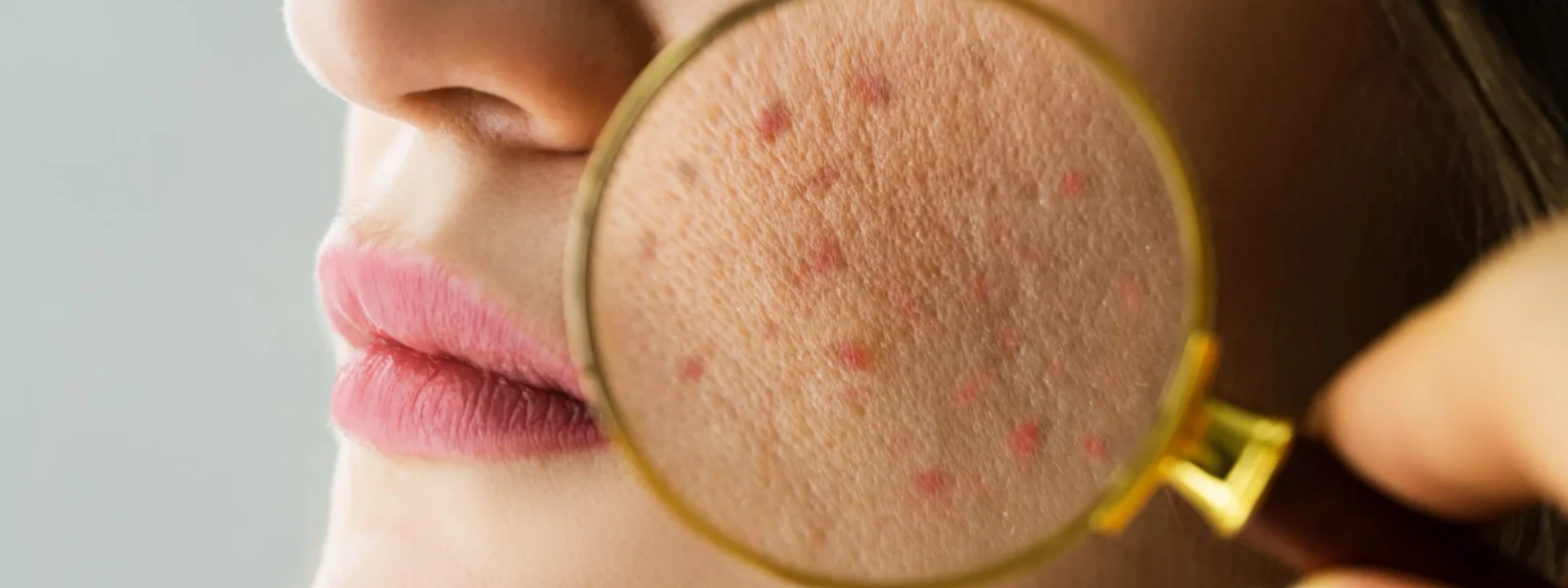
Melasma affects millions of people across India, creating dark patches that can significantly impact confidence and quality of life. This common skin condition, characterized by brown or gray-brown patches primarily on the face, requires a comprehensive understanding and strategic approach to treatment. While melasma can be challenging to manage, the good news is that numerous effective melasma treatment options India offers today can help restore your skin's natural radiance. From proven topical treatments to advanced professional procedures, finding the right combination of therapies can make a remarkable difference in your skin's appearance and your overall well-being.
Melasma represents one of the most common pigmentation disorders affecting Indian skin types. This condition manifests as symmetrical brown patches, typically appearing on the cheeks, forehead, nose bridge, and upper lip area. The unique characteristics of Indian skin, with its higher melanin content and increased photosensitivity, make understanding melasma causes particularly important for effective treatment planning.
The primary triggers for melasma include hormonal fluctuations, particularly during pregnancy or while using oral contraceptives, intense sun exposure common in India's tropical climate, and genetic predisposition. India's intense UV radiation levels throughout the year create an environment where melasma can develop more readily and persist longer than in temperate climates.
Dermatologists classify melasma into three distinct types based on the depth of pigmentation. Epidermal melasma affects the surface layer of skin and typically responds well to topical treatments. Dermal melasma penetrates deeper into the skin layers, making it more challenging to treat. Mixed melasma combines both epidermal and dermal components, requiring a comprehensive skin pigmentation treatment approach.
The foundation of effective melasma treatment lies in understanding that this condition requires patience, consistency, and often a combination of therapeutic approaches. Indian dermatologists typically recommend starting with topical treatments as the first line of defense, as these have shown excellent results when used correctly and consistently.
Triple combination therapy remains the gold standard for melasma treatment worldwide, and this approach has proven particularly effective for Indian skin types. This treatment combines hydroquinone, tretinoin, and a mild corticosteroid in a single formulation, targeting multiple aspects of melasma development simultaneously.
Hydroquinone works by inhibiting tyrosinase, the enzyme responsible for melanin production. In India, hydroquinone is available in concentrations ranging from 2% in over-the-counter products to 4% in prescription formulations. Most dermatologists recommend starting with lower concentrations to assess skin tolerance before progressing to stronger formulations.
For those who cannot tolerate hydroquinone, several effective alternatives exist. Azelaic acid offers excellent results with minimal side effects, making it suitable for sensitive skin types. Kojic acid, derived from fungi, provides gentle yet effective pigmentation control. These ingredients often form the backbone of effective melasma creams available in the Indian market.
When topical treatments alone prove insufficient, professional interventions can significantly accelerate melasma removal progress. Indian dermatology clinics now offer various advanced treatments that can complement topical therapy or serve as standalone solutions for resistant cases.
Chemical peels represent one of the most accessible professional treatments for melasma in India. Glycolic acid peels, lactic acid peels, and trichloroacetic acid (TCA) peels can effectively target different depths of pigmentation. The choice of peel depends on the melasma type, skin sensitivity, and desired downtime.
Fractional laser treatments and intense pulsed light (IPL) therapies have gained popularity in major Indian cities. These treatments work by targeting melanin deposits while stimulating skin renewal. However, laser treatments require careful consideration for Indian skin types, as improper technique can potentially worsen pigmentation.
Finding an experienced dermatologist for melasma treatment is crucial for success. Look for practitioners with specific experience treating pigmentation disorders in Indian skin types. A qualified dermatologist will assess your melasma type, discuss realistic expectations, and create a personalized treatment plan that considers your lifestyle and budget constraints.
While professional treatments form the cornerstone of melasma management, melasma home remedies and lifestyle modifications can provide valuable support to your treatment regimen. These natural approaches work best when combined with proven medical treatments rather than as standalone solutions.
Sun protection represents the most critical aspect of melasma management. In India's intense climate, this means using broad-spectrum sunscreen with SPF 50 or higher, reapplying every two hours, and seeking shade during peak sun hours between 10 AM and 4 PM.
Antioxidant-rich foods can support skin health from within. Include plenty of vitamin C sources like citrus fruits, vitamin E from nuts and seeds, and beta-carotene from colorful vegetables. Adequate hydration and quality sleep also contribute to overall skin health and treatment effectiveness.
Establishing a gentle skincare routine supports melasma treatment success. Avoid harsh scrubbing or aggressive exfoliation, which can worsen pigmentation. Instead, focus on gentle cleansing, consistent moisturizing, and religious sunscreen application.
Successful melasma management requires a strategic approach that combines multiple melasma solutions tailored to your specific needs. The most effective treatment plans typically involve a combination of topical treatments, professional procedures, and lifestyle modifications working together synergistically.
Start with a thorough evaluation by a qualified dermatologist who can assess your melasma type, severity, and contributing factors. This assessment will guide the selection of appropriate treatments and help set realistic expectations for improvement timelines and maintenance requirements.
Most patients begin seeing initial improvements within 6-8 weeks of consistent treatment. Significant results typically become apparent after 12-16 weeks of dedicated therapy. However, melasma treatment requires long-term commitment, as maintenance therapy is usually necessary to prevent recurrence.
Regular follow-up appointments allow your dermatologist to monitor treatment progress and make necessary adjustments. Some patients may need to switch between different active ingredients or adjust concentrations based on their skin's response and tolerance levels.
Triple combination therapy containing hydroquinone, tretinoin, and a mild corticosteroid remains the gold standard first-line treatment. This approach shows significant improvement in 70-80% of patients within 12-16 weeks when used consistently under dermatological supervision.
Initial improvements typically become visible within 6-8 weeks of consistent treatment. Significant results usually appear after 12-16 weeks of dedicated therapy. However, complete treatment may take 6-12 months depending on melasma severity and individual response.
While melasma can be effectively managed and significantly lightened, it cannot be permanently cured. The condition requires ongoing maintenance treatment and strict sun protection to prevent recurrence, especially given India's intense UV exposure levels.
Many melasma cases respond excellently to topical treatments alone. Laser and light-based therapies are typically reserved for resistant cases or when faster results are desired. Your dermatologist can help determine if advanced treatments are necessary for your specific situation.
Broad-spectrum SPF 50 or higher is recommended for melasma patients in India. Reapplication every 2-3 hours is crucial, especially given India's intense sun conditions. Physical sunscreens containing zinc oxide or titanium dioxide often work best for sensitive, melasma-prone skin.
Melasma treatment in India requires a comprehensive, patient approach that combines proven medical therapies with consistent lifestyle modifications. While the condition can be challenging to manage, the numerous effective treatment options available today offer hope for significant improvement. Success depends on working with an experienced dermatologist, maintaining realistic expectations, and committing to long-term management strategies. Remember that melasma treatment is a marathon, not a sprint, but with the right approach and dedication, you can achieve remarkable improvements in your skin's appearance and regain your confidence.
