


How to Treat Hyperpigmentation: Complete Guide
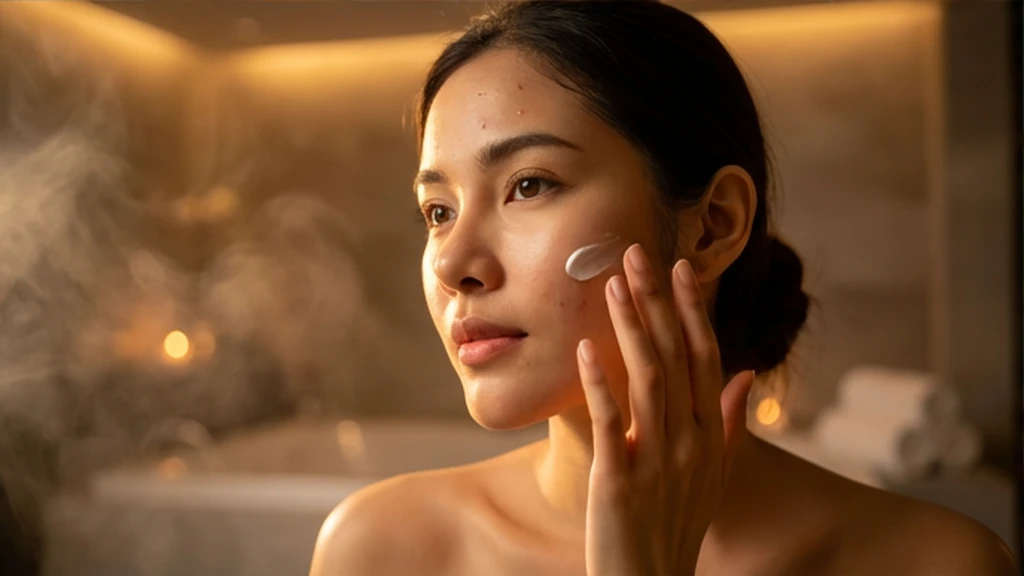
Dark spots and uneven skin tone can feel like stubborn guests that overstay their welcome. Whether you're dealing with melasma from pregnancy, age spots from years of sun exposure, or post-inflammatory hyperpigmentation from acne, the good news is that effective treatments exist. Understanding how to treat hyperpigmentation starts with knowing what type you have and choosing the right approach. With patience and the right strategy, you can achieve the even, radiant complexion you've been dreaming of. Let's explore the proven methods that actually work.
Hyperpigmentation happens when your skin produces too much melanin, the pigment that gives skin its color. Think of melanin as your skin's natural defense system - it kicks into overdrive when it senses threats like UV rays or inflammation. This overproduction creates those frustrating dark patches that seem to appear overnight but take forever to fade. Several types of skin discoloration causes affect people differently. Melasma typically appears as brown patches on the face, often triggered by hormonal changes during pregnancy or birth control use. Post-inflammatory hyperpigmentation (PIH) develops after acne, cuts, or other skin injuries heal. Solar lentigines, commonly called age spots or sunspots, result from cumulative sun damage over time. The depth of pigmentation matters significantly for treatment success. Surface-level spots in the epidermis respond faster to topical treatments, while deeper dermal pigmentation requires more intensive approaches. Your skin tone also plays a role - darker skin tones are more prone to PIH but may be more sensitive to aggressive treatments.
Successful hyperpigmentation treatment follows a strategic approach, starting with gentler methods and progressing to stronger interventions if needed. Most dermatologists recommend beginning with topical treatments, which can be highly effective when used consistently over 8-12 weeks. The key to effective dark spots removal lies in understanding that different types of pigmentation respond to different treatments. Melasma, for example, can be notoriously stubborn and may require combination therapy. PIH from acne often responds well to retinoids and vitamin C, while age spots might need professional procedures for complete removal. Timing your expectations correctly prevents frustration and treatment abandonment. Most topical treatments show initial results around 6-8 weeks, with significant improvement visible after 3-4 months of consistent use. Professional procedures can accelerate this timeline but require careful consideration of your skin type and pigmentation depth.
When it comes to proven ingredients that fade hyperpigmentation, several stand-outs have extensive research backing their effectiveness. These powerhouse ingredients work through different mechanisms to help you achieve more even skin tone. Hydroquinone remains the gold standard for skin brightening. Available in 2% concentrations over-the-counter or 4% by prescription, it works by inhibiting the enzyme that produces melanin. While highly effective, it requires careful use and sun protection to prevent rebound pigmentation. Retinoids accelerate cell turnover, helping pigmented cells shed faster while preventing new dark spots from forming. Tretinoin, adapalene, and retinol all show excellent results for various types of hyperpigmentation. Start slowly to build tolerance and always use sunscreen during the day. Vitamin C serums provide dual benefits - they inhibit melanin production while offering antioxidant protection against future damage. Look for stable forms like L-ascorbic acid or magnesium ascorbyl phosphate for best results.
Azelaic acid offers a gentler approach, making it ideal for sensitive skin or those who can't tolerate hydroquinone. It works well for PIH treatment and has anti-inflammatory properties that prevent new breakouts. Kojic acid and glycolic acid provide additional options for those seeking natural alternatives or wanting to rotate active ingredients. Niacinamide (vitamin B3) offers the gentlest approach while still delivering noticeable skin brightening effects.
When topical treatments aren't enough, professional procedures can provide the extra boost needed for stubborn pigmentation. These treatments work by either removing pigmented skin layers or targeting melanin directly with focused energy. Chemical peels use controlled acids to remove damaged skin layers, revealing fresher, more even-toned skin underneath. Glycolic acid peels work well for surface pigmentation, while TCA (trichloroacetic acid) peels can address deeper discoloration. Multiple sessions spaced 4-6 weeks apart typically provide optimal results. Laser therapy offers precise targeting of pigmented areas. IPL (Intense Pulsed Light) works well for sunspots removal and general skin brightening. Q-switched lasers can target specific dark spots with minimal damage to surrounding skin. Fractional lasers stimulate collagen production while addressing pigmentation concerns.
Darker skin tones require special consideration with professional treatments. Aggressive procedures can sometimes trigger post-inflammatory hyperpigmentation, creating more problems than they solve. Conservative approaches with longer healing times often provide safer, more predictable results. Microneedling combined with brightening serums offers a gentler professional option. This treatment creates tiny channels in the skin, allowing active ingredients to penetrate deeper while stimulating natural healing processes.
Building an effective routine for uneven skin tone correction requires strategic layering and consistent application. Your morning routine should focus on protection and antioxidants, while evening treatments target active pigment-fighting ingredients. Start your morning with a gentle cleanser, followed by vitamin C serum and broad-spectrum sunscreen. This combination provides antioxidant protection while preventing new dark spots from forming. Never skip sunscreen - it's the most important step in any hyperpigmentation treatment plan. Evening routines allow for stronger active ingredients. Begin with a gentle cleanser, then apply your chosen treatment ingredient (retinoid, hydroquinone, or acid). Follow with a moisturizer to maintain skin barrier function. Introduce new actives gradually to avoid irritation that could worsen pigmentation.
Many dermatologists recommend combination approaches for PIH treatment and other stubborn pigmentation. This might involve using vitamin C in the morning and retinoid at night, or alternating between different acids throughout the week. Monitor your skin's response carefully and adjust your routine as needed. Some people see results faster with daily use of gentler ingredients, while others benefit from stronger treatments used less frequently. The key is finding what works for your unique skin type and pigmentation pattern.
No hyperpigmentation treatment can succeed without proper sun protection. UV exposure not only creates new dark spots but can darken existing pigmentation, undoing months of treatment progress. Think of sunscreen as your daily insurance policy against pigmentation setbacks. Choose a broad-spectrum sunscreen with at least SPF 30 and reapply every two hours when outdoors. Physical sunscreens containing zinc oxide or titanium dioxide often work better for sensitive skin undergoing treatment. Don't forget often-missed areas like your neck, hands, and around your eyes. Beyond sunscreen, seek shade during peak UV hours (10 AM to 4 PM), wear wide-brimmed hats, and consider UV-protective clothing for extended outdoor activities. These additional measures provide extra protection while your skin heals and regenerates.
Professional treatments like chemical peels and laser therapy show results in 4-6 weeks, but consistency with topical treatments provides the most lasting results. Combining professional procedures with a solid at-home routine typically delivers the fastest, most sustainable improvement.
Some types of pigmentation fade naturally over months to years, particularly PIH from minor injuries. However, melasma and deeper pigmentation typically require active treatment. Sun-induced age spots rarely fade completely without intervention.
Vitamin C is proven to inhibit melanin production while providing antioxidant protection. When used consistently over 8-12 weeks, it can significantly improve the appearance of dark spots and prevent new ones from forming.
While natural remedies like aloe vera may provide mild benefits, proven ingredients like retinoids, vitamin C, and acids are most effective for long-term results. Consistent sunscreen use remains the most important factor in preventing pigmentation recurrence.
PIH from acne responds well to retinoids, vitamin C, and niacinamide. Consistent treatment over 3-6 months typically shows significant improvement. Avoid picking at acne to prevent new dark spots from forming.
Darker skin requires gentler approaches to avoid triggering additional pigmentation. Azelaic acid, vitamin C, and lower-strength retinoids provide effective results with lower risk of irritation. Always patch-test new products and introduce them gradually.
Treating hyperpigmentation successfully requires patience, consistency, and the right approach for your specific type of pigmentation. Start with proven topical ingredients like vitamin C, retinoids, or hydroquinone, and always prioritize sun protection. Professional treatments can accelerate results for stubborn cases, but maintaining results requires ongoing care and protection. Remember that visible improvement takes time - most people see significant changes after 3-4 months of consistent treatment. With the right strategy and realistic expectations, you can achieve the even, radiant complexion you desire.
