


How to Stop Shaving-Induced Dark Underarm Woes
Dark underarms can be a frustrating side effect of regular shaving, leaving many people feeling self-conscious about this common issue. While shaving itself doesn't directly cause permanent darkening, the friction, irritation, and improper techniques often associated with razor use can lead to temporary discoloration that many mistake for true hyperpigmentation. Understanding why shaving causes dark underarms is the first step toward preventing and treating this concern. The good news is that with proper technique, quality products, and consistent care, you can maintain smooth, evenly-toned underarms without sacrificing your preferred hair removal method.
The relationship between shaving and underarm discoloration involves several interconnected factors that affect skin appearance and health. When you understand these mechanisms, you can take targeted steps to prevent and address darkening issues. Shaving creates microscopic trauma to the skin surface through repeated friction and pressure. This mechanical irritation triggers your skin's natural inflammatory response, which can stimulate melanin production in sensitive individuals. Additionally, the visual effect of hair stubble beneath the skin surface can create shadows that make the area appear darker than it actually is.
Your skin responds to repeated razor friction by producing excess melanin as a protective mechanism. This process, known as post-inflammatory hyperpigmentation, occurs when skin cells detect damage and attempt to shield themselves from further harm. The delicate underarm skin is particularly susceptible because it's thinner and more sensitive than other body areas. Micro-trauma from dull blades or aggressive shaving techniques can also lead to ingrown hairs, which create additional inflammation and potential darkening. The combination of these factors explains why some people develop persistent dark underarms causes related to their shaving routine.
Several specific shaving-related factors contribute to underarm darkening. Repetitive razor friction against sensitive skin creates ongoing irritation that can accumulate over time. Poor shaving technique, including using excessive pressure or shaving against hair growth, increases the likelihood of skin damage. Dead skin cell buildup from inadequate exfoliation can also trap bacteria and create an environment where darkening occurs more easily. Product buildup from deodorants and antiperspirants, especially when applied immediately after shaving, can clog pores and contribute to discoloration.
Many people unknowingly make shaving errors that increase their risk of developing dark armpits shaving issues. Recognizing and correcting these mistakes is crucial for maintaining healthy underarm skin. The most common error is rushing through the shaving process without proper preparation. Dry shaving or using inadequate lubrication creates excessive friction that damages the skin barrier. Using old, dull razors forces you to apply more pressure and make multiple passes over the same area, multiplying the potential for irritation.
Improper shaving direction is a major contributor to shaving irritation dark underarms. Shaving against the hair growth pattern may provide a closer shave initially, but it significantly increases the risk of ingrown hairs and skin irritation. The curved nature of the underarm area requires careful attention to hair growth patterns, which often grow in multiple directions. Applying excessive pressure while shaving is another common mistake. Many people believe that pressing harder will result in a closer shave, but this actually increases friction and the likelihood of nicks, cuts, and irritation that can lead to darkening.
The products you use before, during, and after shaving play a significant role in preventing or causing underarm discoloration. Harsh chemical irritants in some shaving creams can strip the skin's natural protective barrier, leaving it vulnerable to damage and darkening. Alcohol-based aftershave products can cause excessive drying and irritation, particularly on the sensitive underarm skin. Applying heavy deodorants or antiperspirants immediately after shaving can clog freshly opened pores and create an environment conducive to darkening.
Prevention is always more effective than treatment when it comes to how to prevent dark underarms. Establishing a proper pre-shaving routine creates the foundation for healthy, evenly-toned underarm skin. Proper skin preparation begins with gentle cleansing to remove deodorant residue, bacteria, and dead skin cells. This step ensures that your razor can glide smoothly without encountering buildup that might cause dragging or irritation. Taking time to soften the hair and skin before shaving significantly reduces the force needed for effective hair removal.
Gentle exfoliation 2-3 times per week helps prevent the buildup of dead skin cells that can contribute to darkening. Use a soft washcloth or gentle scrub specifically designed for sensitive skin. Avoid over-exfoliating, which can cause additional irritation and worsen discoloration. Steam or warm water exposure for several minutes before shaving softens both hair and skin, making the removal process much gentler. Consider shaving at the end of a warm shower when your skin is naturally softened and prepared.
Investing in quality shaving tools makes a significant difference in preventing ingrown hairs dark underarms. Single-blade razors often cause less irritation than multi-blade options for sensitive skin, though individual preferences may vary. The key is using sharp, clean blades and replacing them regularly. Gentle, moisturizing shaving creams or gels provide essential lubrication while nourishing the skin. Look for products free from harsh fragrances, alcohol, and sulfates that can cause additional irritation.
Proper aftercare is essential for preventing and treating hyperpigmentation armpits. Your skin is most vulnerable immediately after shaving, making this period crucial for preventing darkening and promoting healing. Immediate post-shaving care should focus on soothing any irritation and protecting the newly exposed skin. Gentle, cooling treatments can reduce inflammation and minimize the risk of post-inflammatory hyperpigmentation developing.
Rinse the shaved area with cool water to close pores and remove any remaining shaving product residue. Pat the skin dry gently with a clean towel rather than rubbing, which can cause additional irritation to the freshly shaved area. Wait at least 10-15 minutes before applying deodorant or antiperspirant to allow your skin to recover from the shaving process. This waiting period helps prevent product ingredients from penetrating into micro-abrasions and causing irritation.
Consistent daily care is key to achieving lasting armpit darkening solutions. Moisturizing with gentle, fragrance-free products helps maintain the skin barrier and prevent dryness that can contribute to darkening. Look for ingredients like niacinamide or vitamin C that can help brighten skin over time. Sun protection for the underarm area is often overlooked but important, especially if you wear sleeveless clothing frequently. UV exposure can worsen existing hyperpigmentation and slow the healing process.
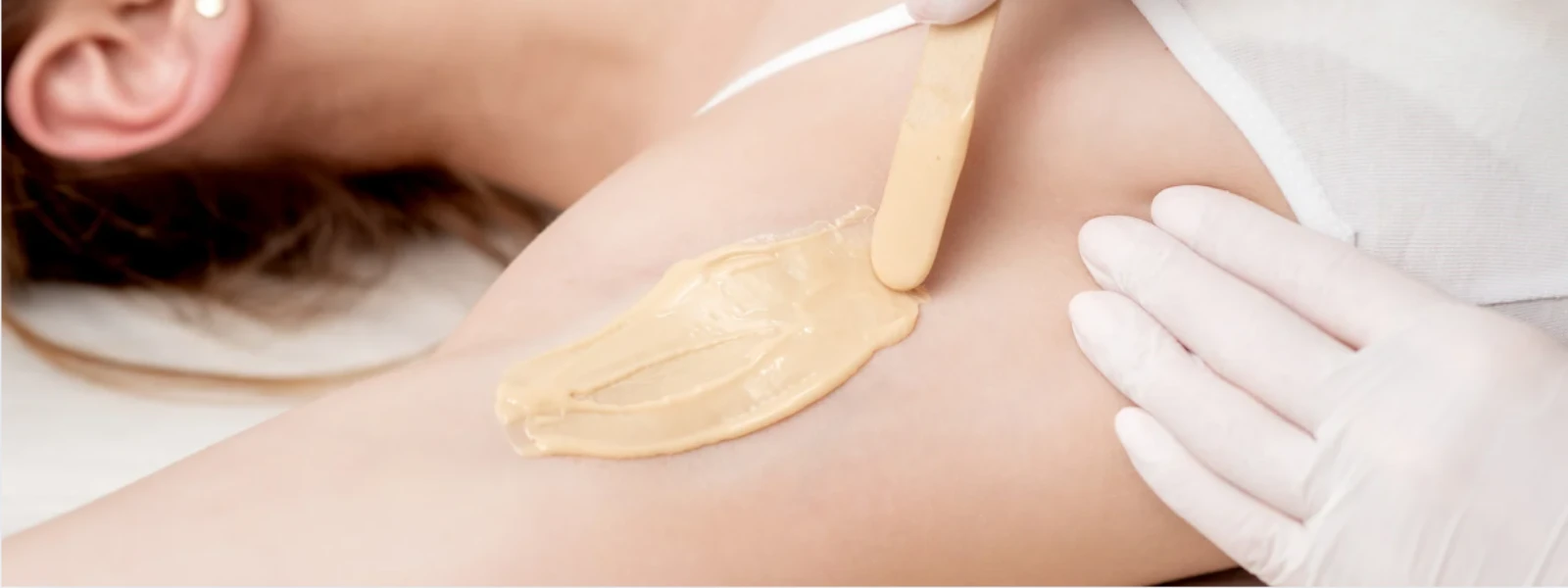
For people who continue to experience darkening despite improved shaving techniques, exploring alternative hair removal methods may provide better results. Each method has unique benefits and considerations for preventing underarm discoloration. Waxing removes hair from the root, reducing the frequency of hair removal sessions and minimizing ongoing skin irritation. While initially more uncomfortable, many people find that regular waxing leads to finer hair regrowth and less overall skin trauma compared to daily or frequent shaving.
Waxing sessions typically occur every 4-6 weeks, giving skin extended periods to heal and recover between treatments. This reduced frequency can significantly decrease the cumulative irritation that contributes to darkening. However, waxing requires longer hair growth between sessions and may cause temporary redness immediately after treatment. The long-term benefits often outweigh the initial adjustment period for many people dealing with persistent underarm darkening from shaving.
Laser hair removal offers a more permanent solution that can eliminate the need for regular hair removal and associated skin irritation. While requiring multiple sessions and a significant upfront investment, laser treatment can be particularly beneficial for people with persistent darkening issues. Depilatory creams provide a chemical alternative to physical hair removal, though they require patch testing to ensure skin compatibility and may not be suitable for everyone.
While most shaving-related underarm darkening can be addressed with improved technique and care, some situations warrant professional evaluation. Understanding when to seek help ensures you receive appropriate treatment for more complex issues. Persistent darkening that doesn't improve with proper shaving technique and skincare may indicate underlying conditions that require medical attention. Conditions like acanthosis nigricans can cause underarm darkening that resembles shaving-related discoloration but requires different treatment approaches.
Signs that warrant professional evaluation include darkening that continues to worsen despite improved care, areas of thickened or velvety skin texture, and discoloration that extends beyond typical shaving areas. Persistent irritation, recurring infections, or painful ingrown hairs also indicate the need for professional assessment.
Dermatologists can offer targeted treatments for stubborn hyperpigmentation, including prescription lightening agents, chemical peels, and laser therapies. These treatments can be particularly effective when combined with improved at-home care routines.
Shaving doesn't directly darken underarms, but improper technique, irritation, and hair shadows can create the appearance of darker skin. Following proper shaving protocols significantly reduces this effect.
Permanent removal requires addressing the root cause - whether it's shaving irritation, product buildup, or underlying conditions. Consistent gentle care, proper technique, and sometimes professional treatments can achieve lasting results.
Stop the irritation source by improving shaving technique, exfoliate regularly to remove dead skin cells, moisturize with gentle products, and consider alternative hair removal methods for sensitive skin.
Consistent gentle exfoliation, proper moisturizing, avoiding irritating products, and giving skin time to heal between shaving sessions. Natural ingredients like aloe vera and vitamin E can support healing.
Understanding why shaving causes dark underarms empowers you to take effective preventive action and treat existing discoloration. The key lies in gentle technique, proper preparation, quality products, and consistent aftercare. Remember that improvement takes time, and patience with your skin's healing process is essential. If problems persist despite improved care, don't hesitate to consult a dermatologist for personalized treatment options. With the right approach, you can maintain smooth, evenly-toned underarms while continuing to use your preferred hair removal method.
